

In the Library
Maud
Alfred, Lord Tennyson, 1855
- Form
- Form Poem
- Difficulty
- Difficulty Demanding
- Reading time
- Reading time 45 minutes
- Chapters
- Chapters 28
- Length
- Length 10k words
£1.99
Read in the app, yours for good. Not yet by post.
The book unlocks on your account as soon as you buy it, so the 14-day right to cancel ends once it is unlocked.
Come into the garden, Maud, / For the black bat, night, has flown,
What buying means
- Yours for good, on every iPhone you sign in to.
- Read in the app’s own reader, with the original beside the translation where there is one.
- Downloaded, so it reads with no signal.
- The same price as in the app. Folio already opens every book on this shelf; buying keeps this one after Folio ends. A refund takes it back.
The reading guide, in the app
How to Read Maud
The reputation is all morbid hysteria, and the poem is short and grips from its first line once you accept that you are locked inside one unwell man’s head.
You have probably been told that Maud is the strange one, the poem in which the Poet Laureate lost his grip, morbid and overwrought and remembered now mainly for a song about a garden. Reviewers in 1855 said much the same, it wounded Tennyson for the rest of his life, and he went on reading the poem aloud to anybody who came to the house, as though the sound of it were his answer to them. The instability they were complaining about is the design of the thing: a man who is not well is speaking, from the first line to the last, and knowing that before you start takes most of the difficulty out of it.
If you like this, try
Hamlet
William Shakespeare
Hamlet circles the same grief and stalled rage after a father's ambiguous death, but stays a stage play where Maud's madness is sung, not spoken.
£1.99
The Tell-Tale Heart
Edgar Allan Poe
The Tell-Tale Heart confesses to a mind unraveling under guilt in the same feverish first person, but its madness ends in a single murder, not a war.
£1.99
Wuthering Heights
Emily Brontë
Wuthering Heights lets an obsessive love outlast the grave in the same way, but ties it to a whole house and generation instead of one broken heart.
£1.99

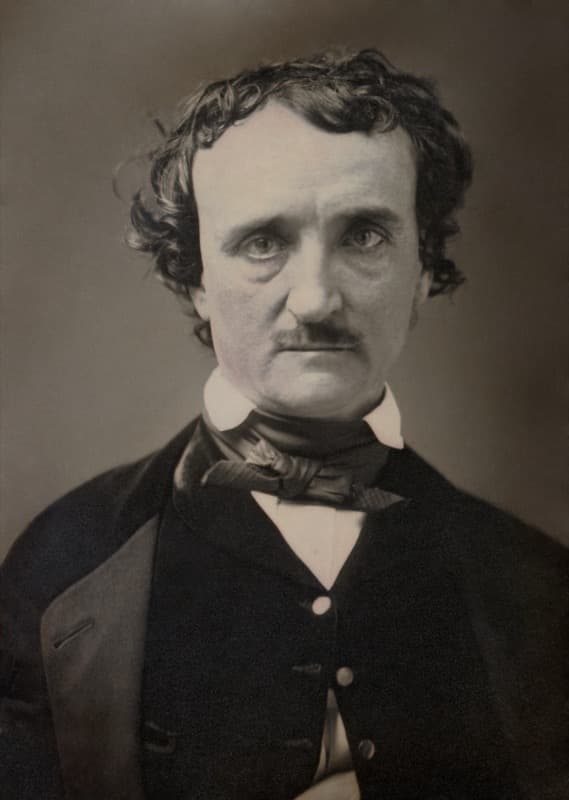

About the book
"I hate the dreadful hollow behind the little wood." The poem opens on a wound, and the voice that speaks it will not stop for a thousand lines. His father's body was found in that hollow, ruined and then dead by his own hand, and the woman the son cannot help loving is the daughter of the house that ruined him. Tennyson called Maud a monodrama, and the metre does what no plot could: it breaks and re-forms with every swing of the man's mind, so that the voice singing "Come into the garden, Maud" in the small hours is the same voice that will later babble from beneath a busy street, certain it has been buried shallow, the hoofs of the horses beating into its scalp and brain. Everything tender here grows out of the hatred under it. A duel comes, and exile, and the madness waiting in him from the first line. What stays is the garden at night, and a lover sure that his dust would hear her and beat, had he lain for a century dead.