
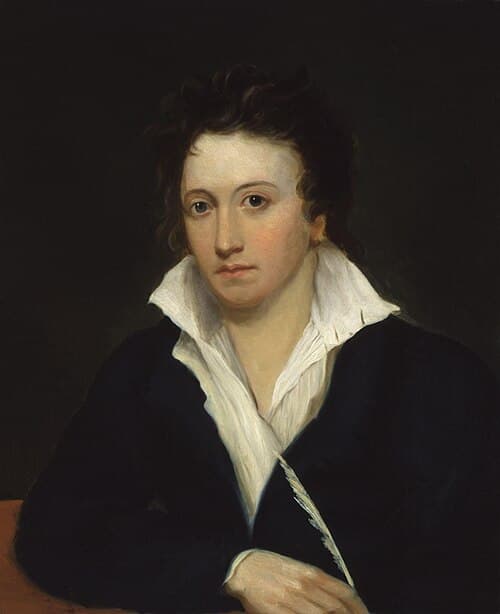
In the Library
Ode to the West Wind
Percy Bysshe Shelley, 1820
- Form
- Form Poem
- Difficulty
- Difficulty Moderate
- Reading time
- Reading time 5 minutes
- Chapters
- Chapters 1
- Length
- Length 1k words
£1.99
Read in the app, yours for good. Not yet by post.
The book unlocks on your account as soon as you buy it, so the 14-day right to cancel ends once it is unlocked.
If Winter comes, can Spring be far behind?
What buying means
- Yours for good, on every iPhone you sign in to.
- Read in the app’s own reader, with the original beside the translation where there is one.
- Downloaded, so it reads with no signal.
- The same price as in the app. Folio already opens every book on this shelf; buying keeps this one after Folio ends. A refund takes it back.
If you like this, try
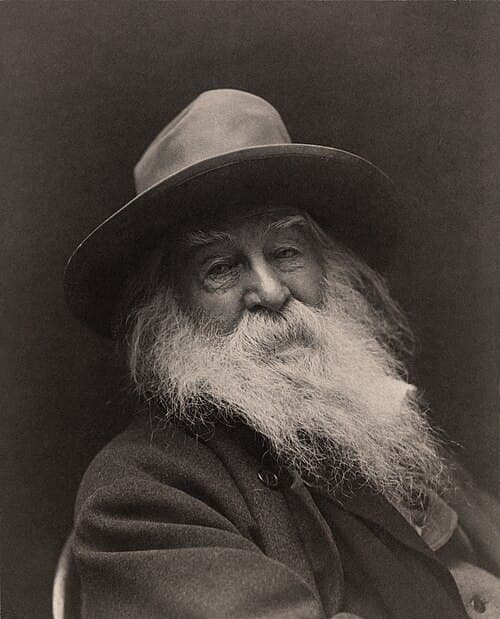
Song of Myself
Walt Whitman
Whitman claims the same prophetic voice, but promises to wait for the reader under their bootsoles rather than scatter into the wind.
£1.99
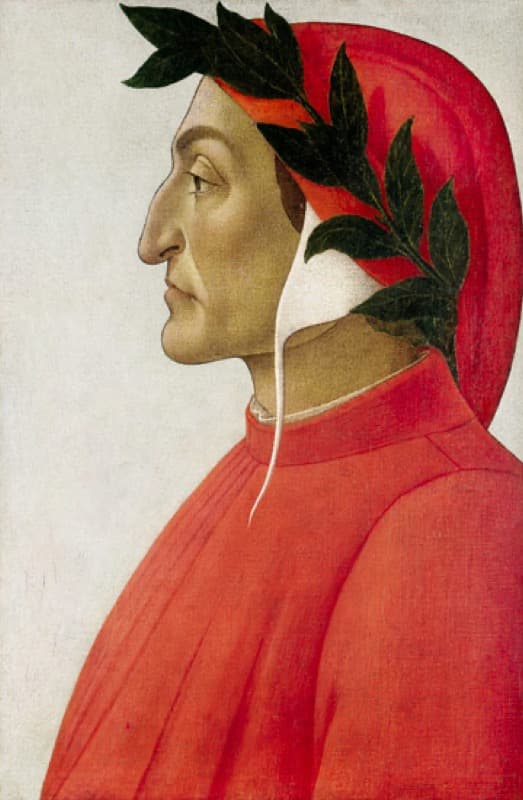
The Divine Comedy
Dante Alighieri
Dante supplies the terza rima chain this ode borrows, but his three linked rhymes drive a whole afterlife forward rather than one autumn storm.
£1.99
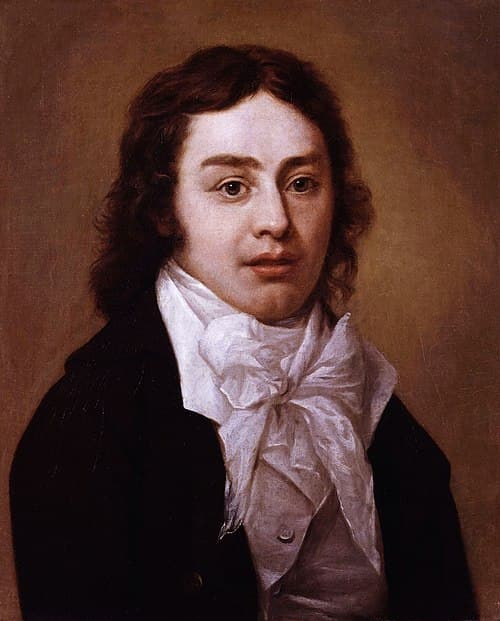
Kubla Khan
Samuel Taylor Coleridge
Coleridge summons the same incantatory rush of language, but his vision arrives as a dream cut short rather than a storm invoked on purpose.
£1.99
About the book
"Yellow, and black, and pale, and hectic red": so the dead leaves go past, driven before the wind "like ghosts from an enchanter fleeing". Shelley wrote most of it in a wood beside the Arno, on an autumn day when a storm was gathering the rains. Through three sections the wind he calls destroyer and preserver tears at leaves, at clouds, at the Mediterranean asleep in its summer dreams, burying seeds so that ruin and spring arrive in one breath. Then the poem turns, and a young poet, far from England and almost unread, cries out that he has fallen upon the thorns of life and bleeds. What he asks for is astonishing: not comfort, but to become the wind's instrument, his dead thoughts driven over the universe like withered leaves to quicken a new birth. Each rhyme of the terza rima reaches forward into the next tercet, so the ode moves like a gale. It ends on a question so hopeful it has passed into proverb, and it lands because of all the dark it has blown through first.