
In the Library
Of Human Bondage
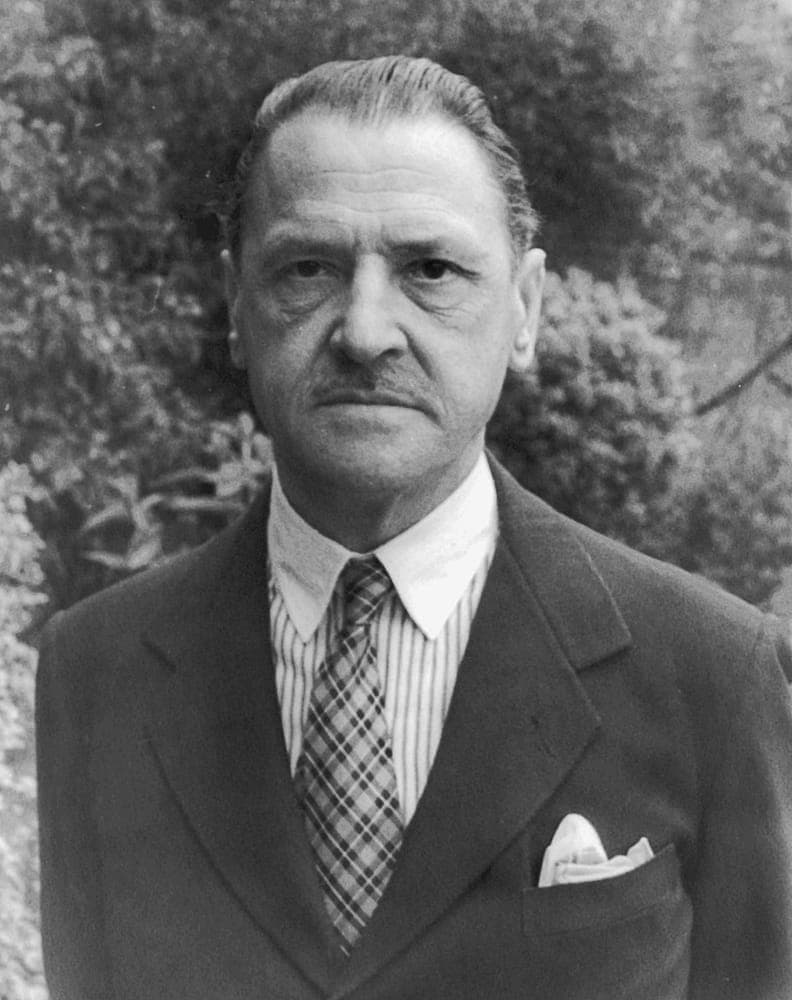
W. Somerset Maugham, 1915
- Form
- Form Novel
- Difficulty
- Difficulty Moderate
- Reading time
- Reading time 19 hours
- Chapters
- Chapters 122
- Length
- Length 259k words
£1.99
Read in the app, yours for good. Not yet by post.
The book unlocks on your account as soon as you buy it, so the 14-day right to cancel ends once it is unlocked.
In the public domain in the United States only: this edition is sold and read there and nowhere else.
He was born, he suffered, and he died.
What buying means
- Yours for good, on every iPhone you sign in to.
- Read in the app’s own reader, with the original beside the translation where there is one.
- Downloaded, so it reads with no signal.
- The same price as in the app. Folio already opens every book on this shelf; buying keeps this one after Folio ends. A refund takes it back.
If you like this, try
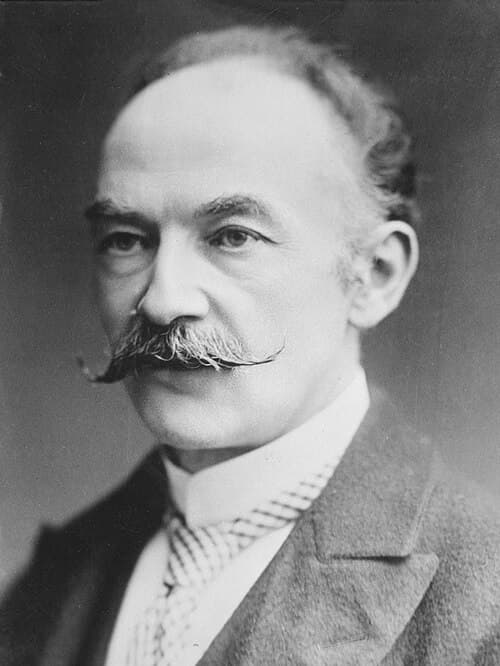
Jude the Obscure
Thomas Hardy
Jude the Obscure does the same thing, but through a stonemason crushed by ambition and desire alike, his devotion to a woman who cannot return it just as ruinous.
£1.99
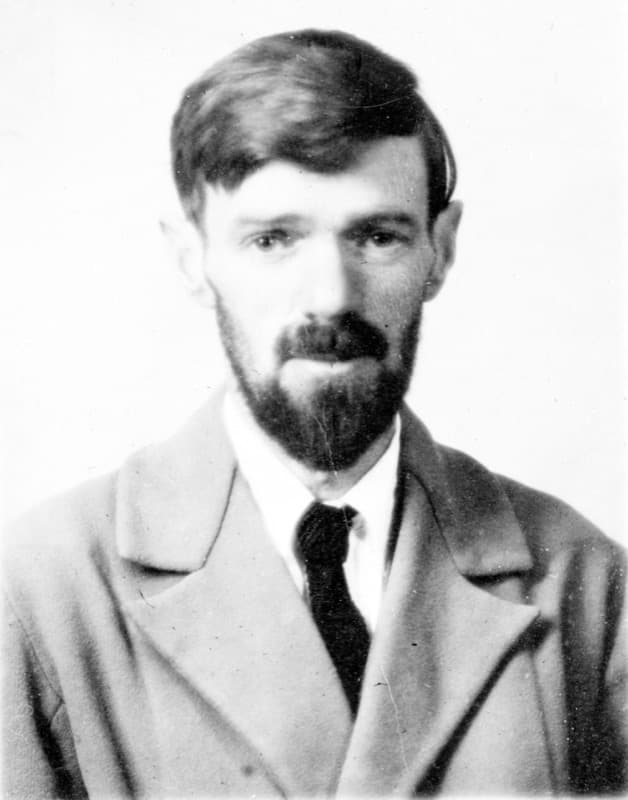
Sons and Lovers
D.H. Lawrence
Sons and Lovers does the same thing, but the woman Paul cannot break from is his own mother, tenderness curdling into the same helpless bondage.
£1.99
About the book
Philip Carey's clubfoot draws every stare in a Kent schoolroom, and it teaches him before he can name it that he will always be watched, always be lacking. Orphaned young, raised on his uncle's cold vicarage charity, Philip drifts through Heidelberg and a Paris atelier before medicine finally holds him, only to fall for Mildred Rogers, a Cockney waitress who is common, careless, and utterly indifferent to him, and who wrecks him anyway. W. Somerset Maugham does not soften the humiliation: Philip crawls back to her again and again, giving up money, pride, and friends for a woman who barely troubles to despise him. It is one of fiction's most exact accounts of desire as servitude, wanting someone for no reason that survives daylight. When release finally comes, it arrives not as triumph but as a Persian rug, a dying friend's proof that a life need have no more shape than a pattern someone chooses to see in it.