
In the Library
Oliver Twist
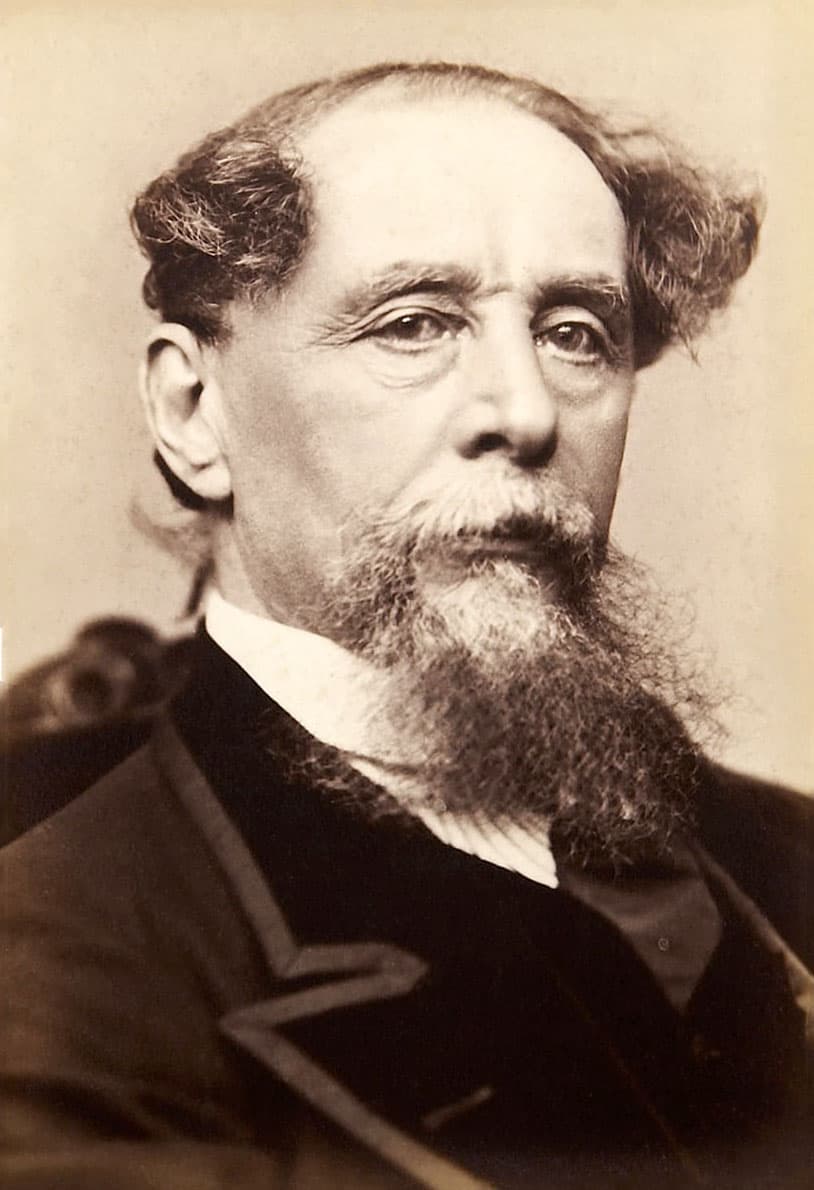
Charles Dickens, 1838
- Form
- Form Novel
- Difficulty
- Difficulty Moderate
- Reading time
- Reading time 11 hours
- Chapters
- Chapters 53
- Length
- Length 156k words
£1.99
Read in the app, yours for good. Not yet by post.
The book unlocks on your account as soon as you buy it, so the 14-day right to cancel ends once it is unlocked.
Please, sir, I want some more.
What buying means
- Yours for good, on every iPhone you sign in to.
- Read in the app’s own reader, with the original beside the translation where there is one.
- Downloaded, so it reads with no signal.
- The same price as in the app. Folio already opens every book on this shelf; buying keeps this one after Folio ends. A refund takes it back.
If you like this, try
Great Expectations
Charles Dickens
Great Expectations does the same thing, but trades the workhouse for a marsh village and follows its orphan through wealth's corrupting promise instead of poverty's raw cruelty.
£1.99
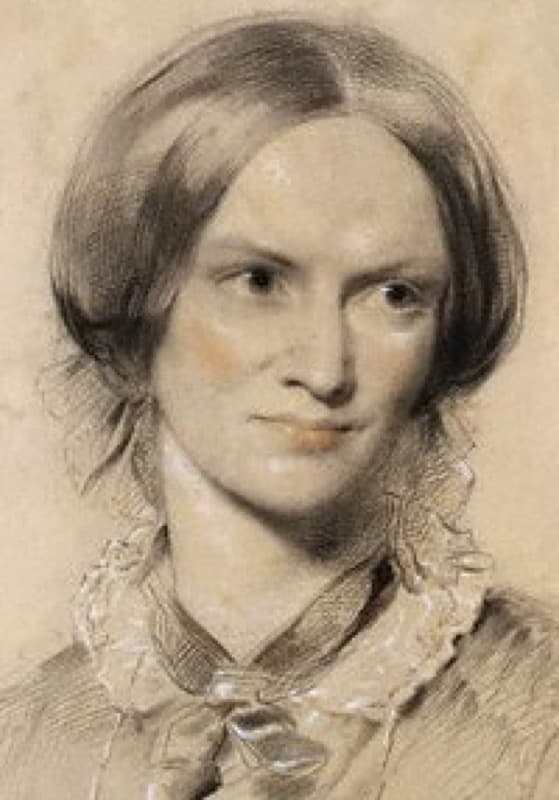
Jane Eyre
Charlotte Brontë
Jane Eyre does the same thing, but gives its orphan a first-person voice, tracing survival through cruelty and want toward a hard-won identity and home.
£1.99
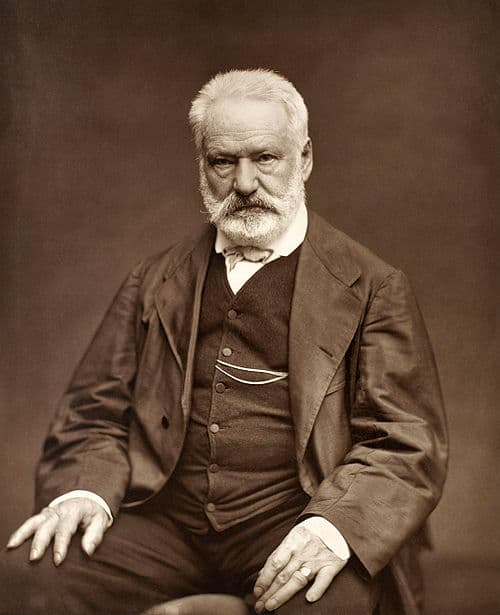
Les Misérables
Victor Hugo
Les Misérables does the same thing, but widens the lens from one workhouse boy to an entire underclass, following a hunted convict toward the same stubborn grace.
£1.99
About the book
A workhouse boy holds out his bowl and asks for more, and the request becomes the most famous indictment of Victorian charity in English literature. Charles Dickens published this novel in monthly installments through 1837 and 1838, his second after Pickwick, and made the slums of London a subject worthy of serious fiction. Oliver passes from the workhouse to the undertaker's parlor to Fagin's den of pickpockets, encountering Nancy whose loyalty cannot save her, the Artful Dodger whose cheek cannot save him, and Bill Sikes whose violence destroys what he claims to love. The plot turns on a parentage revealed and an inheritance restored, but the novel's force lies in its anger. The bowl is held out still, and the answer remains the same.