
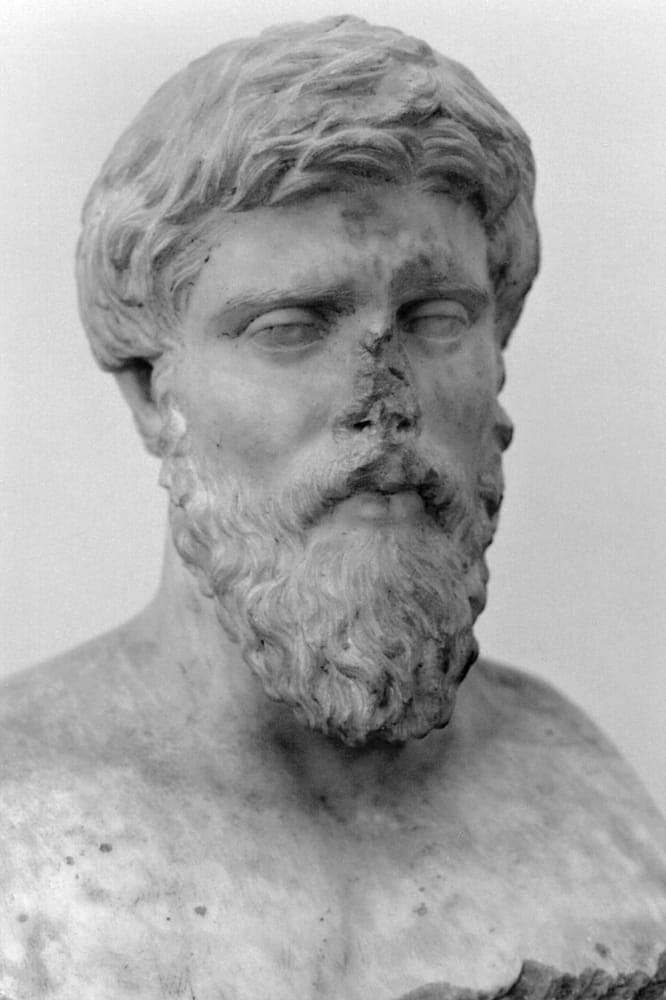
In the Library
Parallel Lives
Plutarch, 100 CE
- Form
- Form Collection
- Difficulty
- Difficulty Demanding
- Reading time
- Reading time 13 hours
- Translated by
- Translated by John Dryden (ed. A.H. Clough)
- Chapters
- Chapters 10
- Length
- Length 179k words
£1.99
Read in the app, yours for good. Not yet by post.
The book unlocks on your account as soon as you buy it, so the 14-day right to cancel ends once it is unlocked.
sometimes a matter of less moment, an expression or a jest, informs us better of their characters and inclinations
What buying means
- Yours for good, on every iPhone you sign in to.
- Read in the app’s own reader, with the original beside the translation where there is one.
- Downloaded, so it reads with no signal.
- The same price as in the app. Folio already opens every book on this shelf; buying keeps this one after Folio ends. A refund takes it back.
If you like this, try
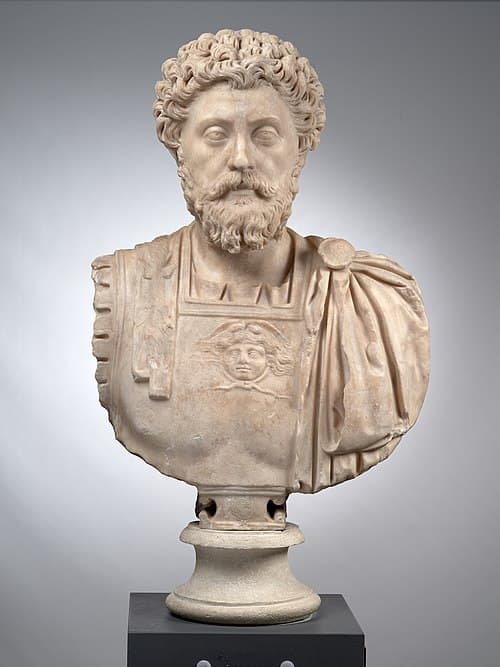
Meditations
Marcus Aurelius
Meditations does the same thing, but turns the biographer's outward gaze inward, an emperor writing down the private discipline behind the public Roman face.
£1.99
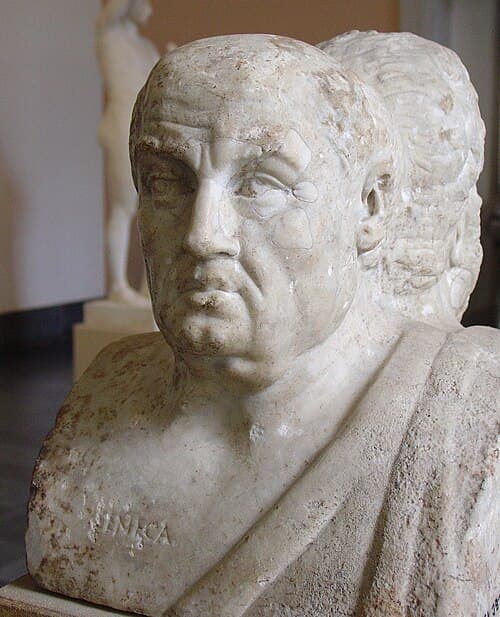
Letters to Lucilius
Seneca
Seneca turns Plutarch's question of how a great man should live into daily practice, letters written by a statesman who knew Nero's court from the inside.
£1.99
About the book
Theseus founds Athens; Romulus founds Rome. Plutarch sets them side by side, then pairs Alexander with Caesar, Demosthenes with Cicero, and forty more Greeks and Romans across roughly fifty surviving Lives. A priest at Delphi who wrote in Greek under the Roman emperors around the turn of the second century, Plutarch was less interested in battles than in the small action that revealed the man: a glance, a jest, a hesitation at a doorway. Shakespeare lifted whole speeches from North's translation; Montaigne quoted him on every other page; the founding fathers read him as a manual for republican virtue. Character, the Lives insist, is not what a man does on his greatest day but what he does on every other one.