

In the Library
Poems of Alfred, Lord Tennyson
Alfred, Lord Tennyson, 1842
- Form
- Form Collection
- Difficulty
- Difficulty Moderate
- Reading time
- Reading time 4 hours
- Chapters
- Chapters 71
- Length
- Length 52k words
£1.99
Read in the app, yours for good. Not yet by post.
The book unlocks on your account as soon as you buy it, so the 14-day right to cancel ends once it is unlocked.
Made weak by time and fate, but strong in will / To strive, to seek, to find, and not to yield.
What buying means
- Yours for good, on every iPhone you sign in to.
- Read in the app’s own reader, with the original beside the translation where there is one.
- Downloaded, so it reads with no signal.
- The same price as in the app. Folio already opens every book on this shelf; buying keeps this one after Folio ends. A refund takes it back.
If you like this, try
Leaves of Grass
Walt Whitman
Whitman builds an equally sprawling collection of lyric selves and landscapes across one lifetime, but breaks every fixed meter Tennyson keeps polished and intact.
£1.99
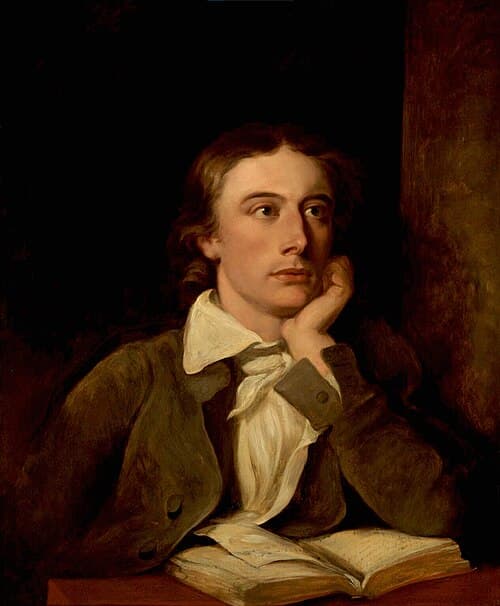
Ode to a Nightingale
John Keats
Keats's nightingale is the music Tennyson learned to make, rich vowels and lingering lines weighing beauty against death, from a poet who died at twenty-five.
£1.99
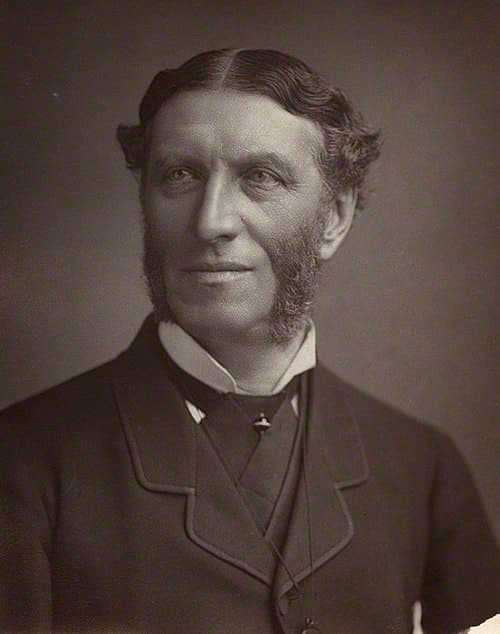
Dover Beach
Matthew Arnold
Arnold hears the same long, withdrawing roar of faith that haunts In Memoriam, and sets it to a music almost as fine as Tennyson's own.
£1.99

About the book
"The woods decay, the woods decay and fall." Tennyson says it twice inside one line, and there is the whole of mortality, in a voice too tired to vary itself. Tithonus was granted eternal life and not eternal youth, and withers forever at the edge of a dawn he can no longer love. That ear never left him across sixty years of writing: Mariana in her moated grange, aweary and waiting for a man who does not come; the Lady of Shalott loosing the chain and lying down in the boat; Ulysses grey on his rocks, refusing to end quietly at home among a savage race that hoards and sleeps and feeds. Much of it grows out of one grief, Arthur Hallam dead at twenty-two, a friend gone and half a century of poems circling the space he left. The verse is unashamedly gorgeous, vowels held long, built to be spoken aloud in a dark room. It closes with an old man at the harbour, listening for the tide that will carry him out.