
In the Library
Resurrection
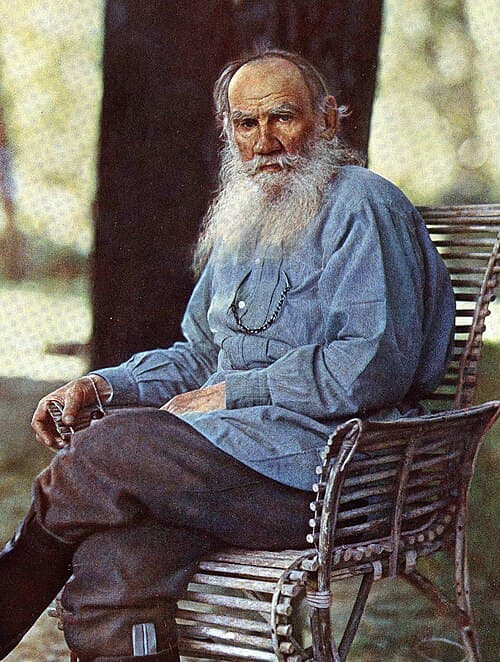
Leo Tolstoy, 1899
- Form
- Form Novel
- Difficulty
- Difficulty Demanding
- Reading time
- Reading time 12 hours
- Translated by
- Translated by Louise Maude (1899)
- Chapters
- Chapters 129
- Length
- Length 172k words
£1.99
Read in the app, yours for good. Not yet by post.
The book unlocks on your account as soon as you buy it, so the 14-day right to cancel ends once it is unlocked.
The story of the prisoner Maslova’s life was a very common one.
What buying means
- Yours for good, on every iPhone you sign in to.
- Read in the app’s own reader, with the original beside the translation where there is one.
- Downloaded, so it reads with no signal.
- The same price as in the app. Folio already opens every book on this shelf; buying keeps this one after Folio ends. A refund takes it back.
If you like this, try
Crime and Punishment
Fyodor Dostoevsky
The other Russian giant on guilt and the possibility of being remade, arriving at conversion from the opposite direction and with far more heat.
Free in the app
The Death of Ivan Ilyich
Leo Tolstoy
The same late Tolstoy verdict on respectable life, compressed into eighty pages instead of six hundred, and even less forgiving.
£1.99
Bleak House
Charles Dickens
The other great novel about a legal system that ruins people while every individual inside it behaves reasonably and does the job in front of them.
£1.99
About the book
Juror number one looks at the woman in the dock, accused of poisoning a merchant, and recognises her. He seduced her when she was a servant in his aunts' house and he was a student on his way back to the regiment. He gave her a hundred roubles. Everything that has happened to her since happened because of that. The rest of this enormous book is what he does about it, which is to follow her through the courts, the prisons and eventually across Siberia, discovering at every stage that the machinery grinding her is staffed entirely by decent men doing their jobs. Tolstoy sold the serial rights to pay for a persecuted sect's passage to Canada, and he wrote it as a man who had stopped believing in the institutions he was born to own. It is angrier than anything else he made, and the anger is what keeps it alive.