
In the Library
Sense and Sensibility
Jane Austen, 1811
- Form
- Form Novel
- Difficulty
- Difficulty Moderate
- Reading time
- Reading time 8.5 hours
- Chapters
- Chapters 50
- Length
- Length 118k words
£1.99
Read in the app, yours for good. Not yet by post.
The book unlocks on your account as soon as you buy it, so the 14-day right to cancel ends once it is unlocked.
She was generous, amiable, interesting: she was everything but prudent.
What buying means
- Yours for good, on every iPhone you sign in to.
- Read in the app’s own reader, with the original beside the translation where there is one.
- Downloaded, so it reads with no signal.
- The same price as in the app. Folio already opens every book on this shelf; buying keeps this one after Folio ends. A refund takes it back.
If you like this, try
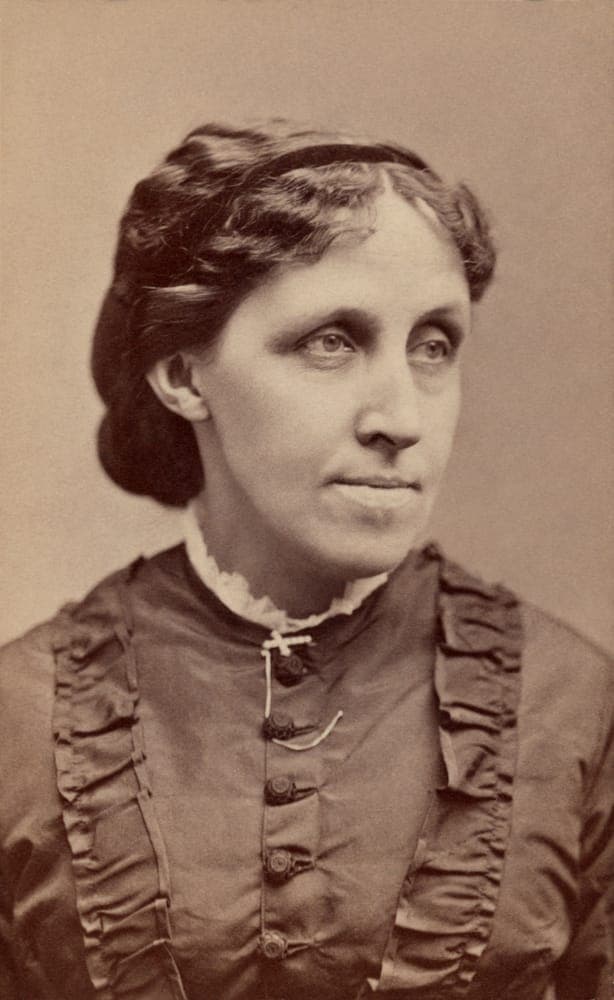
Little Women
Louisa May Alcott
Little Women does the same thing with four sisters, but cheerfully poor in Massachusetts, where love and money pull at each other just as hard.
£1.99
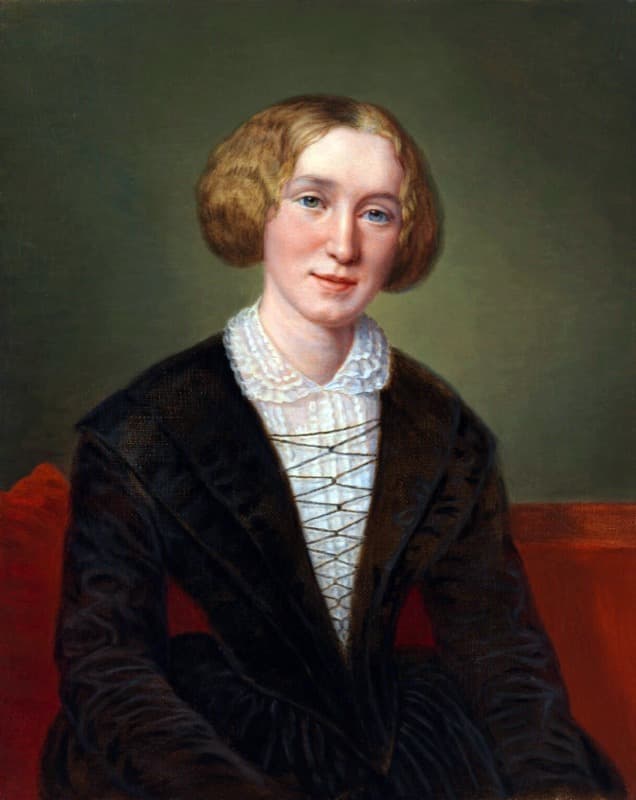
Middlemarch
George Eliot
Middlemarch does the same thing, but follows two sisters across a whole provincial town, weighing feeling against good judgment in marriage.
£1.99
The Age of Innocence
Edith Wharton
The Age of Innocence does the same thing, but in Gilded Age New York, where good manners hold a quiet, unbreakable grip on what the heart is allowed to want.
£1.99

About the book
Marianne Dashwood climbs the hill above the cottage every evening to watch for a horse that no longer comes, and when it doesn't, she walks out into a soaking rain to stare across the valley at the house of the man who has already thrown her over for money, and comes home with a fever that very nearly kills her. Her sister Elinor watches this happen and says nothing about her own heart, because she has known for months, from another woman's mouth, that the man she loves is secretly engaged to someone else, and there is no one she can tell. Sense and Sensibility is often read as an argument for restraint over passion, but Austen isn't grading her sisters against each other. She is asking which kind of suffering costs more: the storm that everyone can see, or the one you smile through at dinner. Elinor's calm is not the absence of feeling. It is feeling with the door held shut, and by the time it finally breaks, you will have been holding your breath along with her.