
In the Library
The Birth of Tragedy
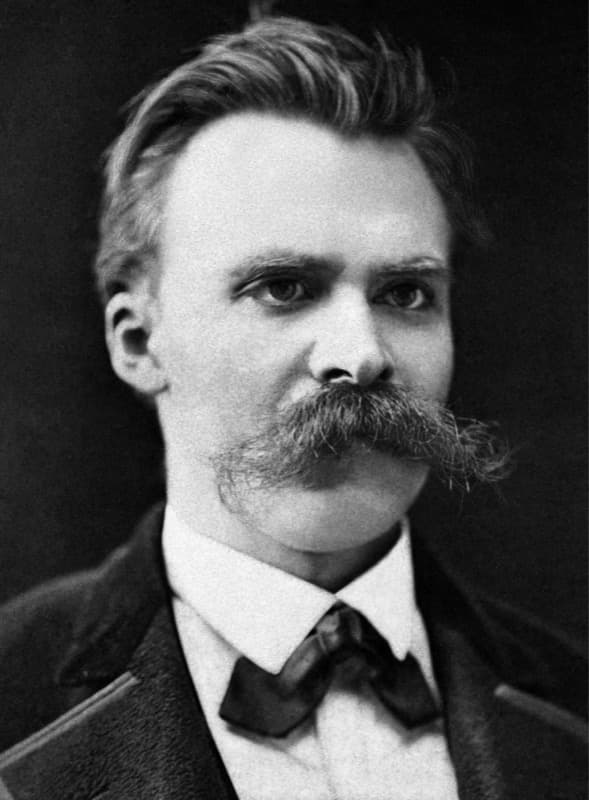
Friedrich Nietzsche, 1909
- Form
- Form Philosophy
- Difficulty
- Difficulty Moderate
- Reading time
- Reading time 3.5 hours
- Translated by
- Translated by William A. Haussmann
- Chapters
- Chapters 28
- Length
- Length 48k words
£1.99
Read in the app, yours for good. Not yet by post.
The book unlocks on your account as soon as you buy it, so the 14-day right to cancel ends once it is unlocked.
Only as an aesthetic phenomenon is existence and the world eternally justified.
What buying means
- Yours for good, on every iPhone you sign in to.
- Read in the app’s own reader, with the original beside the translation where there is one.
- Downloaded, so it reads with no signal.
- The same price as in the app. Folio already opens every book on this shelf; buying keeps this one after Folio ends. A refund takes it back.
If you like this, try
The Gay Science
Friedrich Nietzsche
Nietzsche returns to the same questions with sharper tools, and the Dionysian becomes the eternal recurrence.
£1.99
The Bacchae
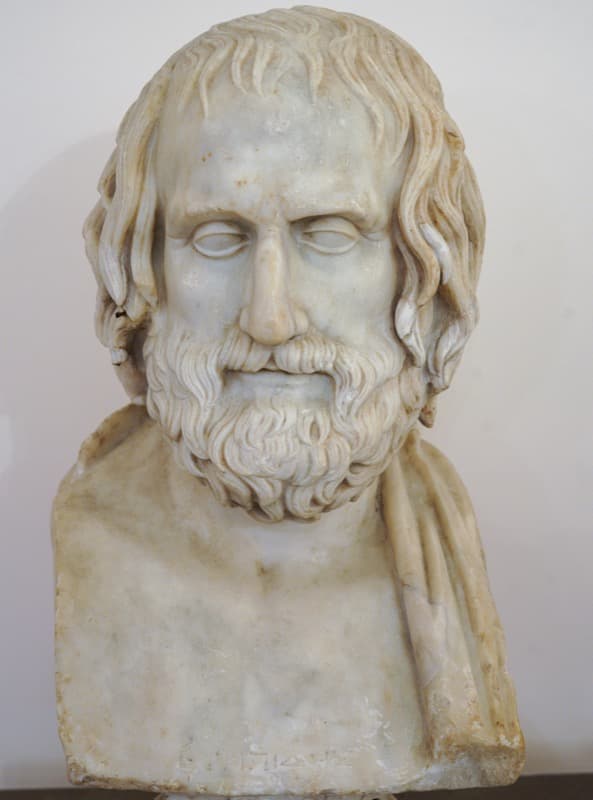
Euripides
Euripides stages the Dionysian chaos Nietzsche theorises, and Pentheus is what happens when Apollo tries to suppress it.
£1.99
Thus Spoke Zarathustra
Friedrich Nietzsche
Nietzsche sends Apollo and Dionysus up the mountain in the same body, and the Übermensch is what they become together.
£1.99
About the book
When King Midas at last cornered the satyr Silenus and demanded to know what is best for man, the wise companion of Dionysus laughed and said: best never to have been born, and next best to die soon. This is the abyss Nietzsche believed the Greeks stared straight into, and his wonder is that they answered it not with despair but with tragedy, the most life-affirming art ever made. He finds two gods at its root. Apollo casts the beautiful, bounded dream-image over the horror; Dionysus, god of music and intoxication, dissolves the trembling self back into the whole; and their union on a stage lets a whole people look at suffering and still say yes. From this comes the vertiginous claim at its heart, that only as an aesthetic phenomenon are existence and the world eternally justified. A young classicist wrote it, his own discipline recoiled, and everything Nietzsche would become is already dancing here.