
In the Library
The Canterbury Tales
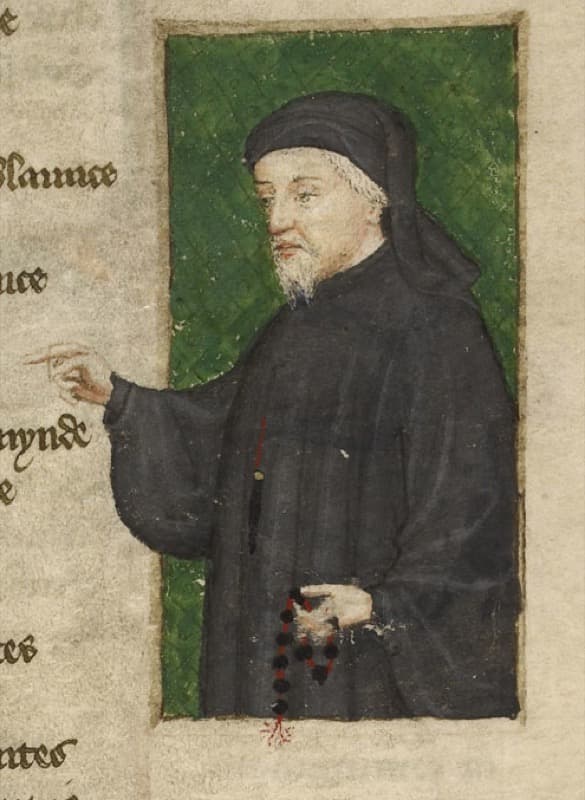
Geoffrey Chaucer, 1392
- Form
- Form Collection
- Difficulty
- Difficulty Demanding
- Reading time
- Reading time 18 hours
- Original
- Original enm
- Chapters
- Chapters 23
- Length
- Length 243k words
£1.99
Read in the app, yours for good. Not yet by post.
The book unlocks on your account as soon as you buy it, so the 14-day right to cancel ends once it is unlocked.
Whan that Aprille with his shoures soote, the droghte of March hath perced to the roote.
What buying means
- Yours for good, on every iPhone you sign in to.
- Read in the app’s own reader, with the original beside the translation where there is one.
- Downloaded, so it reads with no signal.
- The same price as in the app. Folio already opens every book on this shelf; buying keeps this one after Folio ends. A refund takes it back.
The reading guide, in the app
How to Read The Canterbury Tales
A book whose strange spelling has scared off far more readers than its actual stories ever could, when underneath that surface it is a rowdy, gossiping crowd of travellers telling each other the funniest and filthiest tales they know.
The reputation of The Canterbury Tales is that it is the forbidding origin of English literature, written in a language you cannot read, the sort of thing you are made to study rather than allowed to enjoy, with footnotes outnumbering the actual lines on the page. The footnotes are real enough in some editions and almost everything else about that reputation is a lie. What is actually here is a group of ordinary people on a spring journey, a knight and a miller and a drunk cook and a much-married woman among them, who agree to pass the miles by telling stories, and the stories they tell are by turns hilarious, bawdy, frightening, and tender.
If you like this, try
One Thousand and One Nights
Anonymous
Another frame narrative that contains an entire world of stories, but the stakes are survival instead of a pilgrimage.
£1.99
Don Quixote
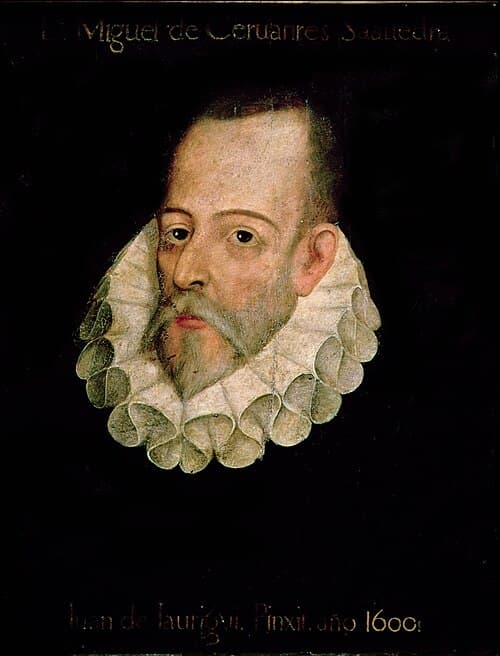
Miguel de Cervantes
Cervantes picks up what Chaucer started: fiction that knows it's fiction and loves the telling as much as the tale.
£1.99
Gargantua and Pantagruel
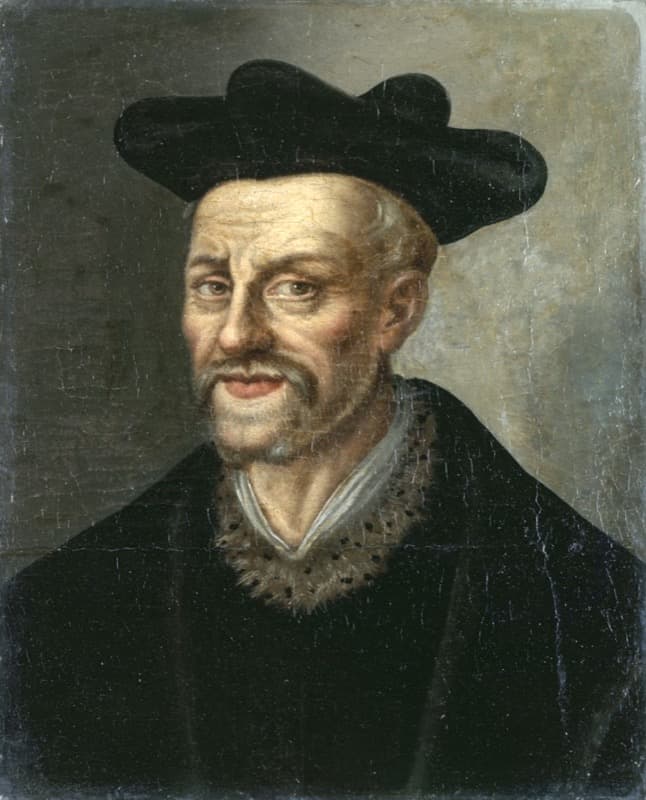
François Rabelais
Rabelais matches Chaucer's bawdiness and doubles the appetite, with giants instead of pilgrims.
£1.99

About the book
Say the first line aloud and something startling happens. "Whan that Aprille with his shoures soote" is six hundred years old, yet you can almost hear yourself inside it, English being born on the tongue. Geoffrey Chaucer sets thirty pilgrims on the road from a Southwark inn to Becket's shrine at Canterbury, hands them a game (each tells a tale, the best wins supper), and then does the thing no one had done in English: he lets every sort of person speak as fully themselves. The Wife of Bath, five times married, talks for eight hundred lines before she deigns to begin her story, arguing and flirting and refusing to be ashamed of any of it. The Pardoner hawks pig bones as the relics of saints, thunders a sermon against greed, and knows precisely what he is. No tale can be peeled from its teller; each story is a confession the speaker never means to make. The whole muddy road becomes England talking to itself, bawdy and holy and gloriously alive, in the language we still speak.