
In the Library
The Dhammapada
Anonymous, 300 BCE
- Form
- Form Philosophy
- Difficulty
- Difficulty Accessible
- Reading time
- Reading time 50 minutes
- Translated by
- Translated by F. Max Mueller (1881)
- Original
- Original pli
- Chapters
- Chapters 26
- Length
- Length 12k words
£1.99
Read in the app, yours for good. Not yet by post.
The book unlocks on your account as soon as you buy it, so the 14-day right to cancel ends once it is unlocked.
All that we are is the result of what we have thought: it is founded on our thoughts, it is made up of our thoughts.
What buying means
- Yours for good, on every iPhone you sign in to.
- Read in the app’s own reader, with the original beside the translation where there is one.
- Downloaded, so it reads with no signal.
- The same price as in the app. Folio already opens every book on this shelf; buying keeps this one after Folio ends. A refund takes it back.
If you like this, try
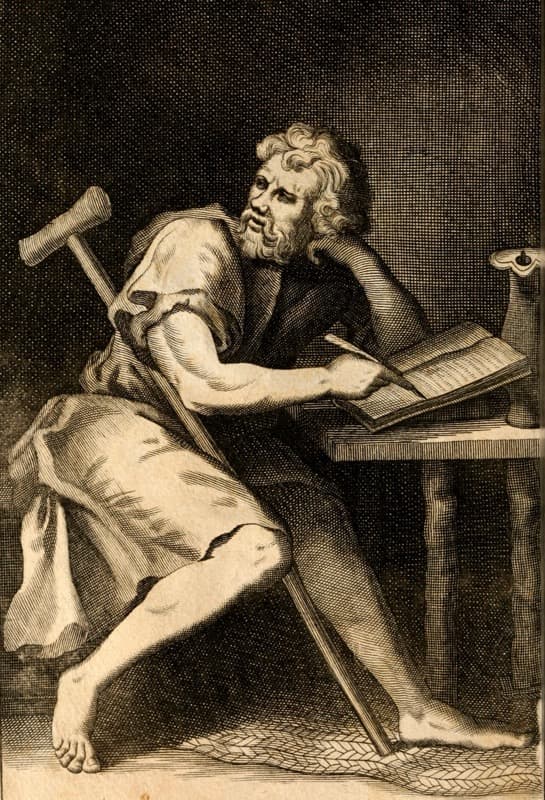
The Enchiridion
Epictetus
Epictetus distils the same practical wisdom: control what you can, release what you cannot, and the suffering stops.
£1.99
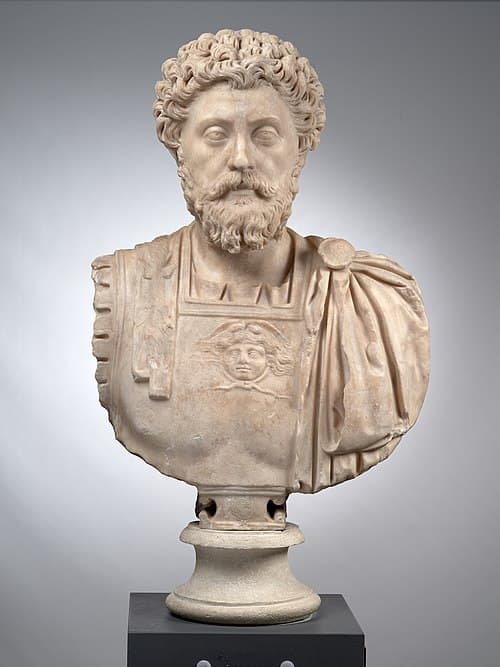
Meditations
Marcus Aurelius
Marcus Aurelius keeps the same discipline of mind, and the Stoic emperor walks the same path as the Buddha without knowing it.
£1.99
Siddhartha
Hermann Hesse
Hesse fictionalises the journey the Dhammapada prescribes, and the river teaches what the sutras preach.
£1.99

About the book
Hatred is never appeased by hatred; by love alone is it appeased. The Buddha is said to have spoken that line, and the centuries between have not dulled it. The Dhammapada gathers 423 such verses, the most beloved distillation of his teaching, and it asks you to believe nothing. There are no miracles here, no god to petition, no reward dangled past death. There is only a claim, stated in the opening line and proved across every chapter that follows: the mind makes everything, your joy and your suffering both, and so the work of becoming free is work no one can do for you. What unsettles is how gently it says this. The verses on desire and anger, on the sage who has crossed the flood, were shaped to be memorized, and they behave like seeds, dry and complete, apt to open hours after you have shut the book. To read it is to be handed full responsibility for your own mind, and to feel, against all expectation, lighter for the weight.