
In the Library
The Flowers of Evil
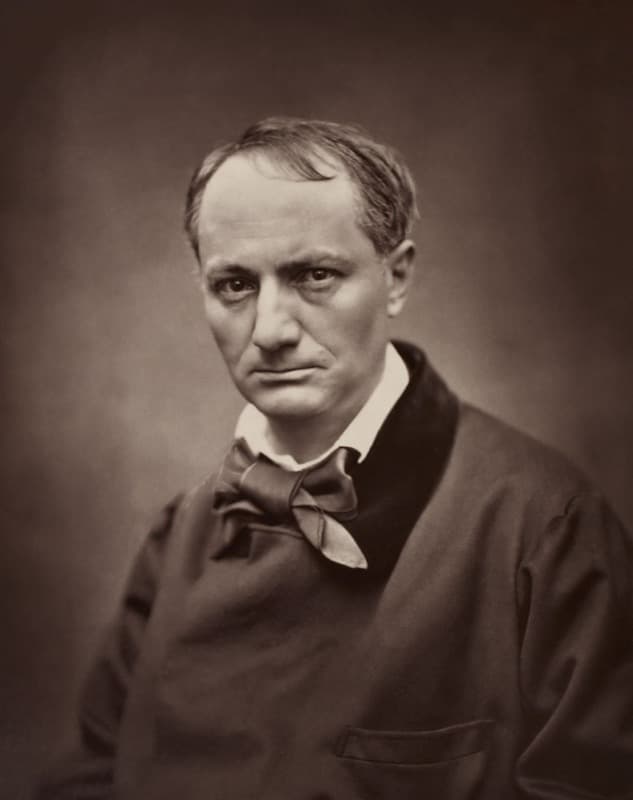
Charles Baudelaire, 1857
- Form
- Form Collection
- Difficulty
- Difficulty Moderate
- Reading time
- Reading time 1 hours
- Translated by
- Translated by F.P. Sturm (1906)
- Original
- Original fr
- Chapters
- Chapters 6
- Length
- Length 16k words
£1.99
Read in the app, yours for good. Not yet by post.
The book unlocks on your account as soon as you buy it, so the 14-day right to cancel ends once it is unlocked.
Hypocrite reader! -- You! -- My twin! -- My brother!
What buying means
- Yours for good, on every iPhone you sign in to.
- Read in the app’s own reader, with the original beside the translation where there is one.
- Downloaded, so it reads with no signal.
- The same price as in the app. Folio already opens every book on this shelf; buying keeps this one after Folio ends. A refund takes it back.
If you like this, try
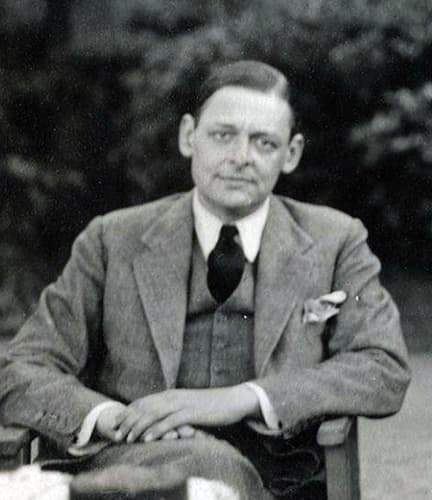
The Waste Land
T.S. Eliot
Eliot inherits Baudelaire's city of phantoms and his conviction that modern life is a form of damnation.
£1.99
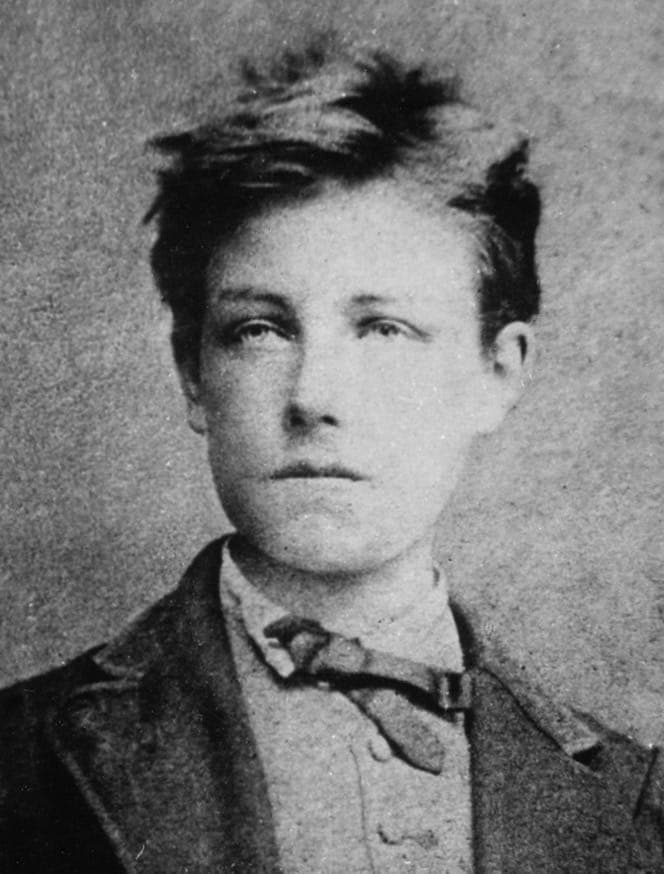
A Season in Hell
Arthur Rimbaud
Rimbaud shares Baudelaire's plunge into vice and vision as raw material for verse, but trades measured form for a feverish, fractured confession.
£1.99
About the book
Read the first poem and Baudelaire reaches out of the page to name you: "Hypocrite reader, my fellow, my brother." Before a single flower has bloomed you are implicated, a fellow citizen of the boredom and the appetite the book is about to anatomise. What follows is not a scatter of lyrics but a built cathedral of them, climbing from Spleen and Ideal up through the gaslit Parisian streets, the wine, the flowers themselves, and at last Death. Baudelaire's genius is a kind of alchemy: he gathers the mud of the modern city, its hospitals and gutters and bought women and bottomless afternoons, and turns it to gold, refusing the old lie that beauty and corruption keep separate rooms. A French court convicted six of these poems of offending public morality, which only proved his point. He had dissolved the wall between the sacred and the squalid, and modern poetry walked through the gap he left.