
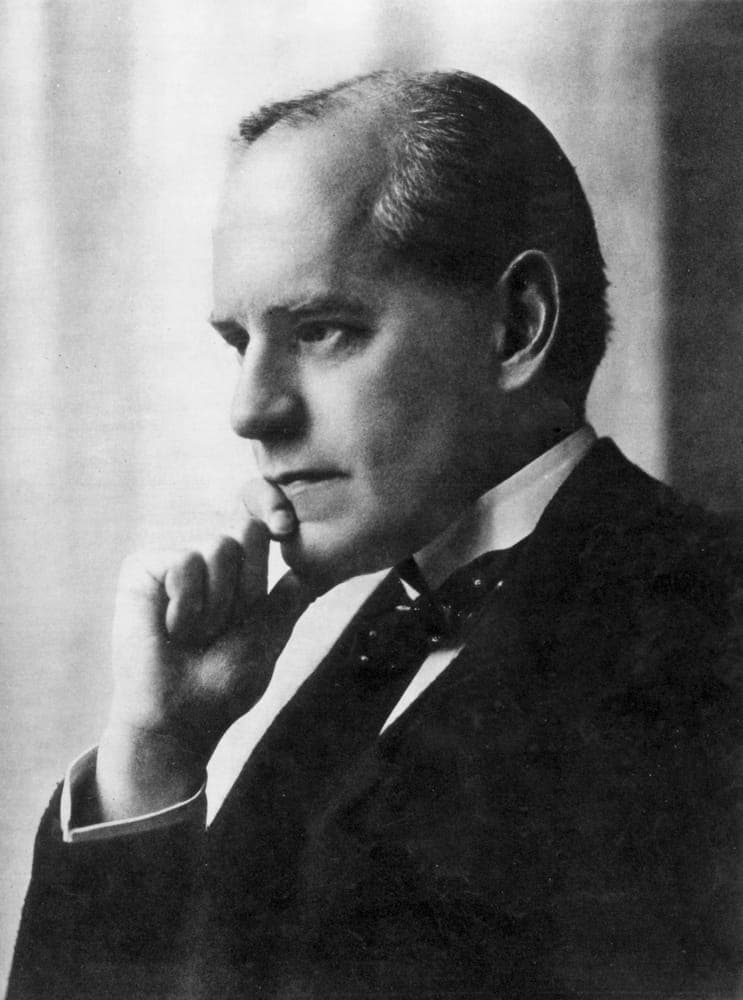
In the Library
The Forsyte Saga
John Galsworthy, 1922
- Form
- Form Novel
- Difficulty
- Difficulty Moderate
- Reading time
- Reading time 23 hours
- Chapters
- Chapters 11
- Length
- Length 315k words
£1.99
Read in the app, yours for good. Not yet by post.
The book unlocks on your account as soon as you buy it, so the 14-day right to cancel ends once it is unlocked.
The possessive instinct never stands still.
What buying means
- Yours for good, on every iPhone you sign in to.
- Read in the app’s own reader, with the original beside the translation where there is one.
- Downloaded, so it reads with no signal.
- The same price as in the app. Folio already opens every book on this shelf; buying keeps this one after Folio ends. A refund takes it back.
If you like this, try
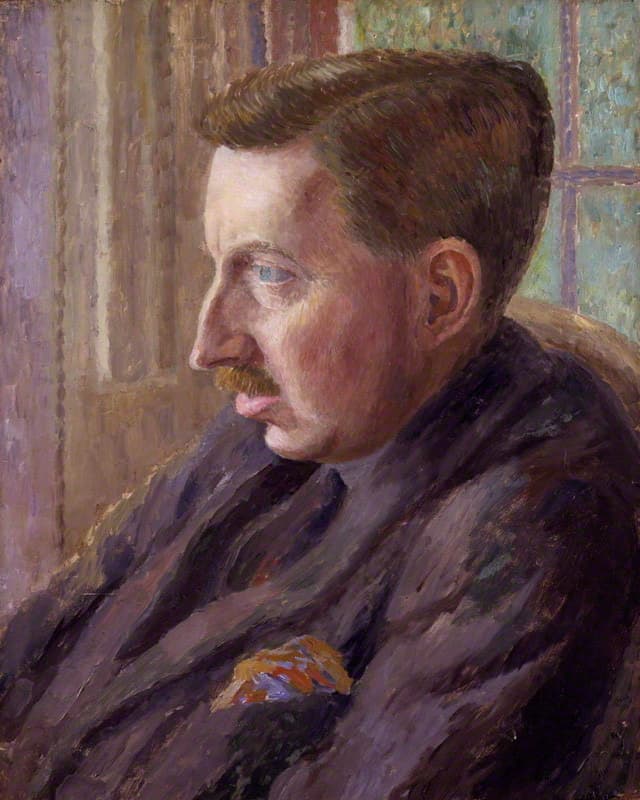
Howards End
E.M. Forster
Howards End does the same thing with English class and property, but compresses three generations of Forsyte scheming into one Edwardian summer and a single house.
£1.99
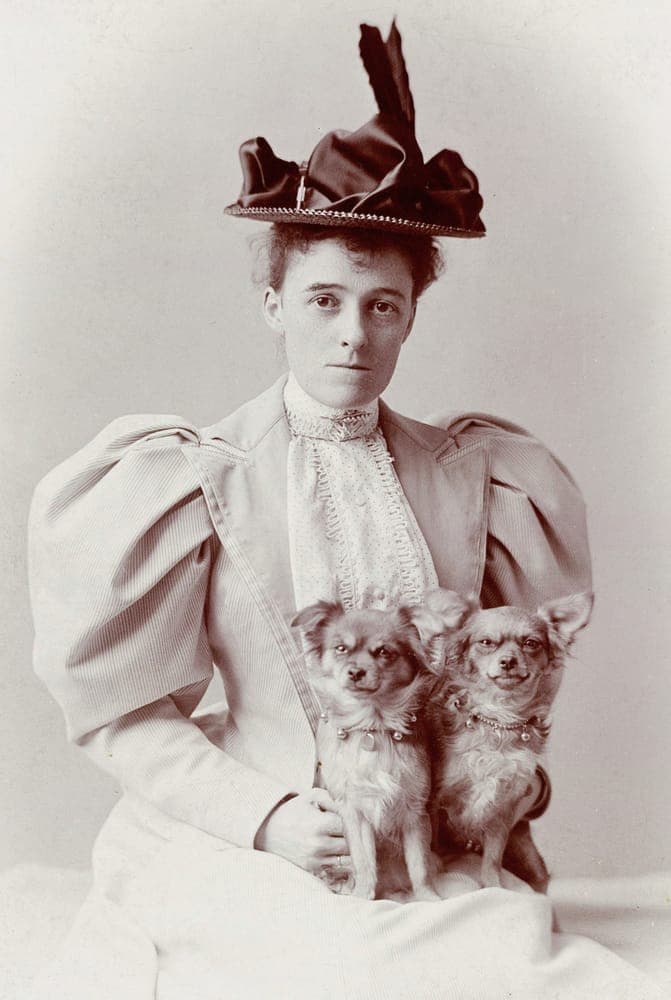
The Age of Innocence
Edith Wharton
The Age of Innocence does the same thing to old New York that Galsworthy does to Forsyte London, watching a rigid class police a marriage it cannot allow to happen.
£1.99
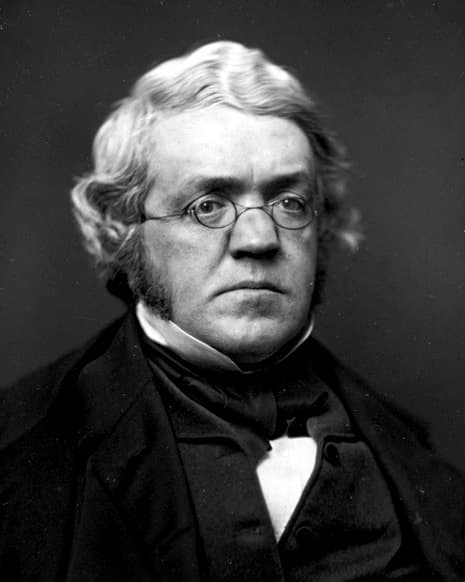
Vanity Fair
William Makepeace Thackeray
Vanity Fair does the same thing to Regency social climbing, but trades the Forsytes' hushed Victorian propriety for Becky Sharp's open, delighted scheming.
£1.99
About the book
Soames Forsyte, solicitor, surveys his wife Irene across a Park Lane drawing-room as he might survey a rare painting acquired and not yet hung, and the verb attaches itself to her against her will. John Galsworthy published the three novels between 1906 and 1921 and gathered them as one volume in 1922, naming what binds the family the property instinct. Old Jolyon repents late and beautifully; Bosinney the architect designs a country house called Robin Hill and falls in love with the wrong client's wife; the family closes ranks. The Nobel arrived in 1932, partly for this sweep across three generations of the English upper middle class. The Forsytes possess everything they touch, and in the act of possessing it lose precisely what they came for.