

In the Library
The Hunchback of Notre-Dame
Victor Hugo, 1831
- Form
- Form Novel
- Difficulty
- Difficulty Moderate
- Reading time
- Reading time 13 hours
- Translated by
- Translated by Isabel F. Hapgood
- Chapters
- Chapters 61
- Length
- Length 182k words
£1.99
Read in the app, yours for good. Not yet by post.
The book unlocks on your account as soon as you buy it, so the 14-day right to cancel ends once it is unlocked.
This will kill that. The book will kill the edifice.
What buying means
- Yours for good, on every iPhone you sign in to.
- Read in the app’s own reader, with the original beside the translation where there is one.
- Downloaded, so it reads with no signal.
- The same price as in the app. Folio already opens every book on this shelf; buying keeps this one after Folio ends. A refund takes it back.
If you like this, try
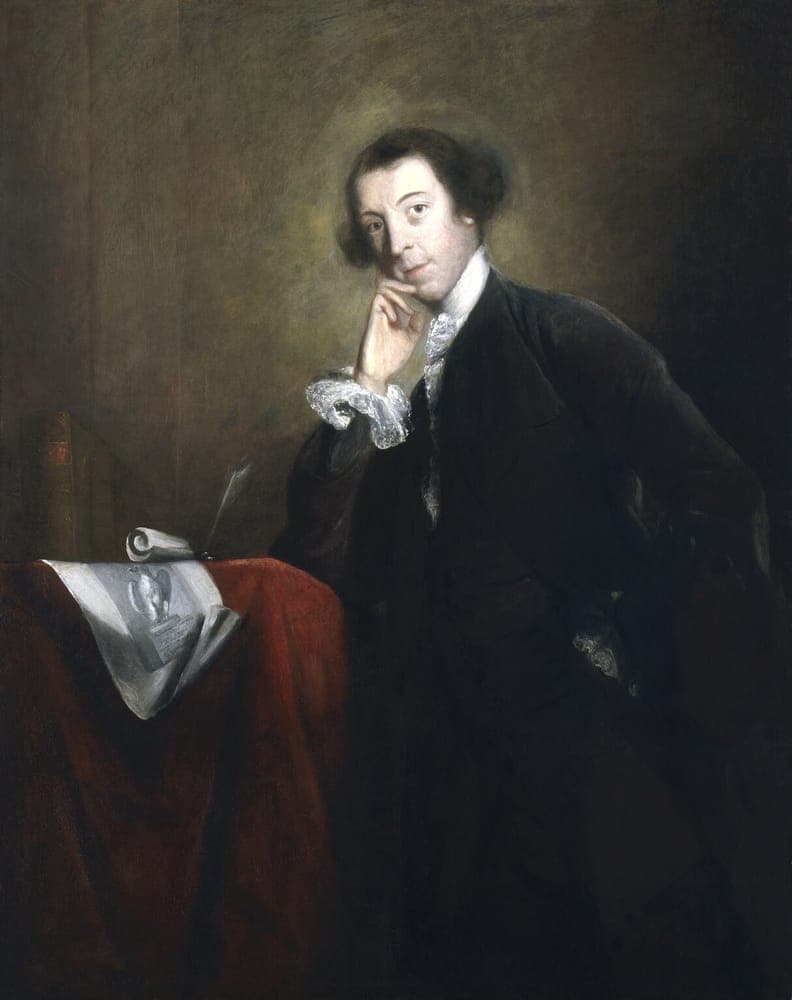
The Castle of Otranto
Horace Walpole
Walpole made a castle of vaults, trapdoors and portents the real protagonist of the first Gothic novel, the architecture as fate that Hugo raises to cathedral scale.
£1.99
Les Misérables
Victor Hugo
Les Misérables does the same thing, but widens the lens from one cathedral to all of Paris, turning Hugo's compassion for outcasts into an entire social panorama.
£1.99
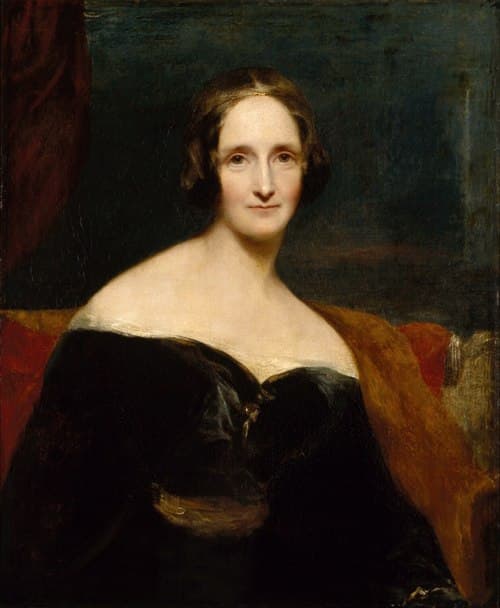
Frankenstein
Mary Shelley
Frankenstein does the same thing, but strips away the cathedral entirely, asking whether a creature built ugly by others can still be loved for what he is.
£1.99
About the book
At the Feast of Fools, a howling crowd elects the ugliest face in Paris, and no mask beats the real one. Quasimodo, deaf and half blind, spine bent from years on the cathedral's bells, is crowned as a joke and wears it gladly, because the bells, not people, have loved him since he was a foundling nobody wanted. Victor Hugo wrote this novel to save a building: Notre-Dame was crumbling around him, and he gave its rose windows and gargoyles a voice, naming architecture the first great book, the one he feared print was killing. Inside that stone marvel he set his ugliest man beside his most pious one, and let tenderness pool in the body everyone recoils from, while the archdeacon who raised him lets forbidden hunger for the girl who dances below rot him from within. Hugo says he found one word carved into a tower wall before writing a line: ANANKE, Greek for fate. Everything after walks that word into the dark, toward a devotion Paris will only understand as stone dust and old bone.