
In the Library
The Legend of Thyl Ulenspiegel
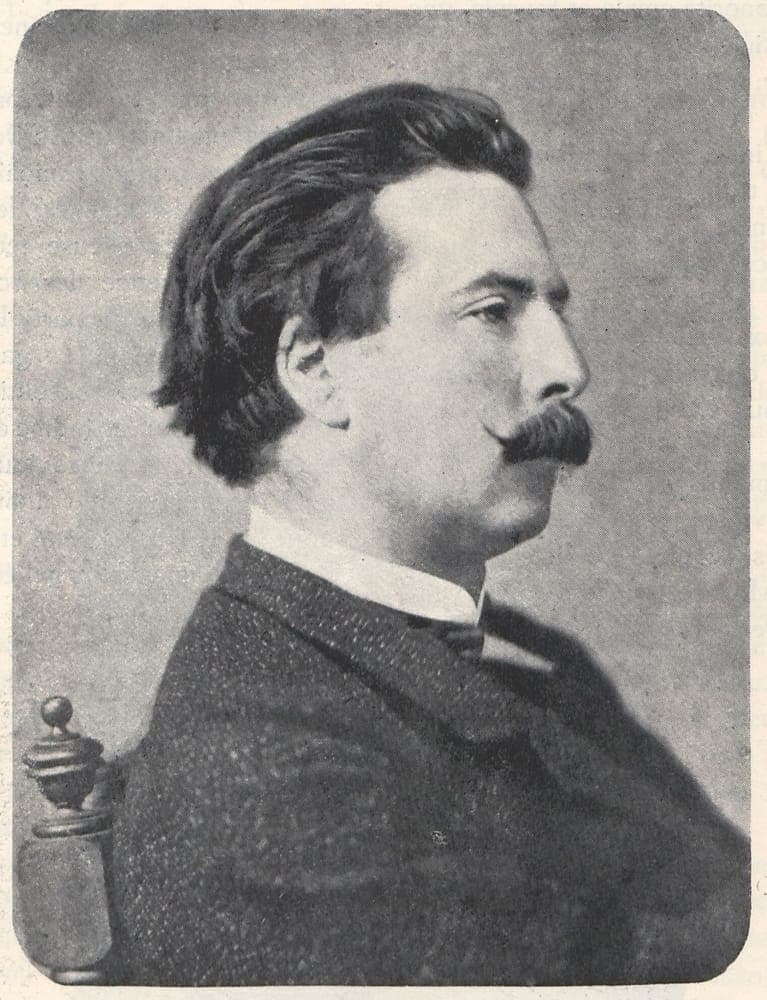
Charles de Coster, 1867
- Form
- Form Novel
- Difficulty
- Difficulty Moderate
- Reading time
- Reading time 7 hours
- Translated by
- Translated by Geoffrey Whitworth (1918)
- Chapters
- Chapters 85
- Length
- Length 97k words
£1.99
Read in the app, yours for good. Not yet by post.
The book unlocks on your account as soon as you buy it, so the 14-day right to cancel ends once it is unlocked.
The ashes of Claes beat upon my breast.
What buying means
- Yours for good, on every iPhone you sign in to.
- Read in the app’s own reader, with the original beside the translation where there is one.
- Downloaded, so it reads with no signal.
- The same price as in the app. Folio already opens every book on this shelf; buying keeps this one after Folio ends. A refund takes it back.
If you like this, try
Gargantua and Pantagruel
François Rabelais
Rabelais also sends a giant comic appetite through a whole country's follies and tyrants, but Coster aims the laughter at the Inquisition and keeps one hero at its centre.
£1.99
Don Quixote
Miguel de Cervantes
Cervantes also pairs a restless dreamer with a stomach-ruled companion on the open road, but Coster's pair are not mocked; they are a nation's wit and its hunger fighting a king.
£1.99
Tristram Shandy
Laurence Sterne
Sterne also breaks the straight line of a novel with digressions, songs and jokes, but Coster lets the cheerfulness harden into a war cry.
£1.99


About the book
"The ashes of Claes beat against my heart." Thyl Ulenspiegel carries them in a little bag at his neck, all that is left of his father, a charcoal-burner of Damme burned alive by the Inquisition, and every prank and ambush that follows answers to them. Born on the same day as Philip II of Spain, Thyl starts out as the great joker of Flanders, the owl and the mirror of his own name, and grows into the wandering spirit of a people in revolt against the king who shares his birthday. Beside him trudges Lamme Goedzak, fat, gentle, always hungry and always searching for the wife who left him, a Sancho Panza who can weep over a good stew. Charles de Coster wrote it in a mock-antique French thick with songs, feasts and gallows, and his own country barely noticed; he died poor. The book outlived that neglect to become Belgium's founding epic. It is bawdy one page and furious the next, and under all the laughter you can hear the ashes knocking.