
In the Library
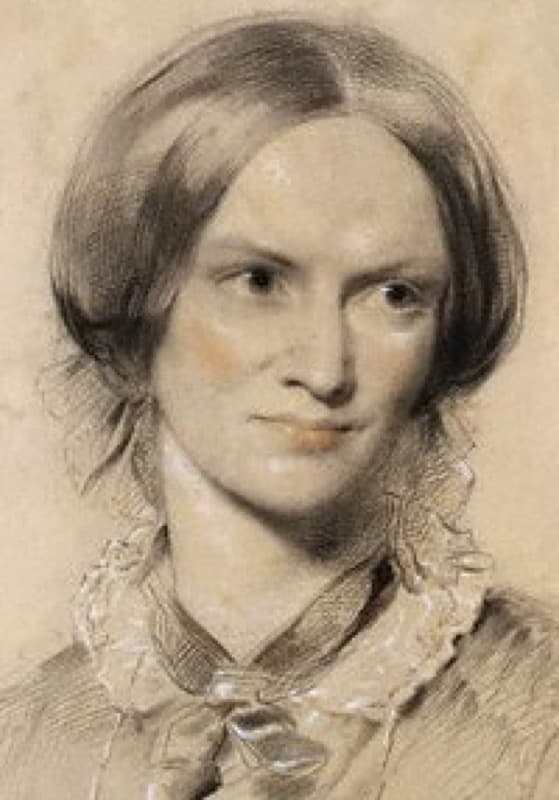
The Life of Charlotte Brontë
Elizabeth Gaskell, 1857
- Form
- Form Essay
- Difficulty
- Difficulty Moderate
- Reading time
- Reading time 13 hours
- Chapters
- Chapters 28
- Length
- Length 177k words
£1.99
Read in the app, yours for good. Not yet by post.
The book unlocks on your account as soon as you buy it, so the 14-day right to cancel ends once it is unlocked.
Henceforward Charlotte Brontë's existence becomes divided into two parallel currents—her life as Currer Bell, the author; her life as Charlotte Brontë, the woman.
What buying means
- Yours for good, on every iPhone you sign in to.
- Read in the app’s own reader, with the original beside the translation where there is one.
- Downloaded, so it reads with no signal.
- The same price as in the app. Folio already opens every book on this shelf; buying keeps this one after Folio ends. A refund takes it back.
If you like this, try
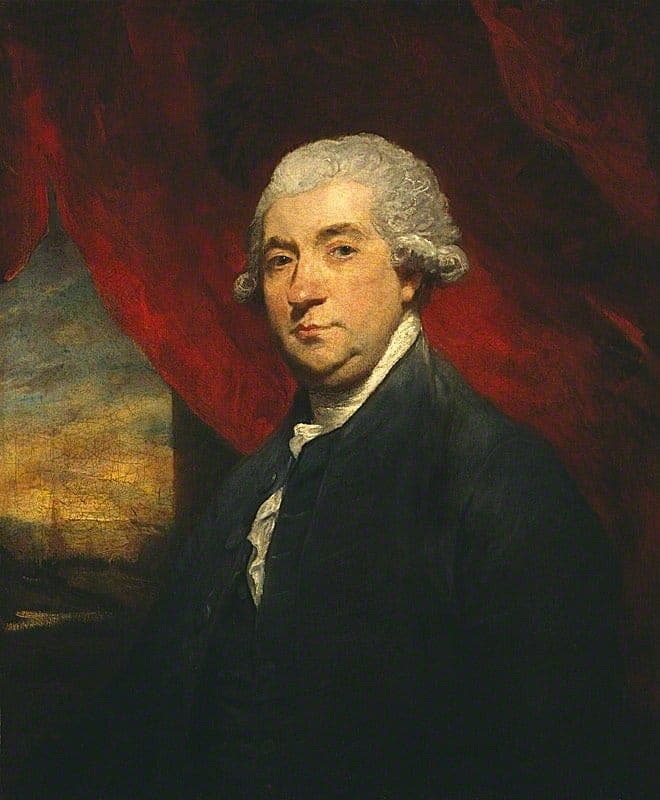
The Life of Samuel Johnson
James Boswell
Boswell does the same thing from the tavern table, catching a great talker alive and in full flow rather than a friend already two years in the grave.
£1.99
Jane Eyre
Charlotte Brontë
Read the novel this biography keeps opening: the charity school, the fever, the plain small heroine, every one of them lifted straight from the life told here.
£1.99
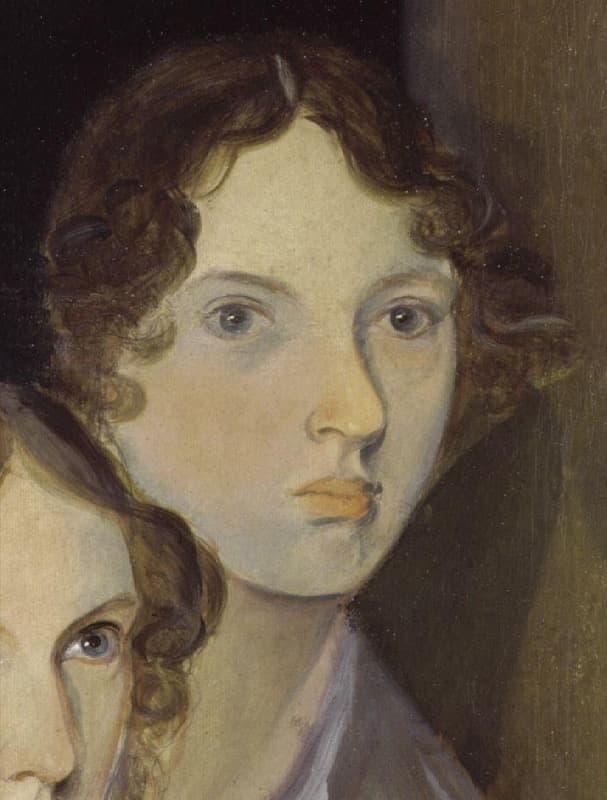
Wuthering Heights
Emily Brontë
Emily's only novel came out of the same parsonage Gaskell describes, and the moor wind that rattles these pages blows straight through it.
£1.99
About the book
Three sisters put away their sewing at nine o'clock and paced the parlour of a Yorkshire parsonage, reading aloud the stories they were writing in secret. Elizabeth Gaskell had this from the last of them, her friend, and when Charlotte Brontë died she went up the grey road from Keighley to Haworth to gather the rest. What she made is a novelist's biography, built from letters by the hundred: the charity school where two elder sisters caught the fever that killed them, the brother drinking himself out of the world, the evening Charlotte decided the heroine of Jane Eyre would be plain, small, and unattractive, in defiance of the accepted canon. Gaskell's argument still stands: a woman who wrote became two people at once, Currer Bell the author and Charlotte Brontë the woman, and the duties of each nearly destroyed the other. She was so unsparing about that school, and about Branwell, that the publishers withdrew the book. Everything the world believes about the Brontës began here.