
In the Library
The Tenant of Wildfell Hall
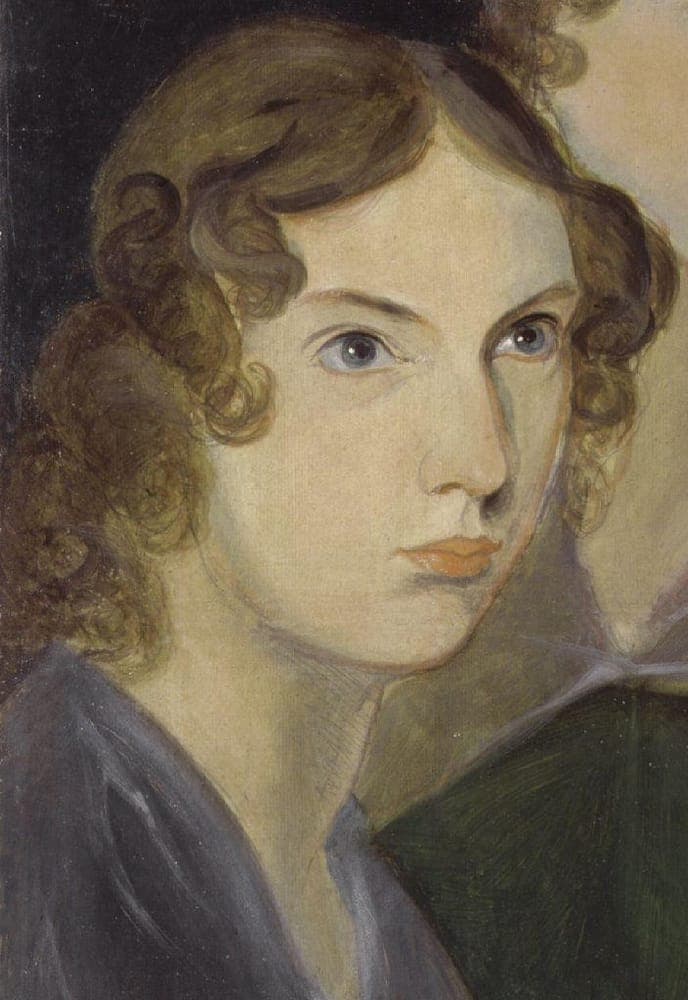
Anne Brontë, 1848
- Form
- Form Novel
- Difficulty
- Difficulty Moderate
- Reading time
- Reading time 12 hours
- Chapters
- Chapters 54
- Length
- Length 165k words
£1.99
Read in the app, yours for good. Not yet by post.
The book unlocks on your account as soon as you buy it, so the 14-day right to cancel ends once it is unlocked.
I am satisfied that if a book is a good one, it is so whatever the sex of the author may be.
What buying means
- Yours for good, on every iPhone you sign in to.
- Read in the app’s own reader, with the original beside the translation where there is one.
- Downloaded, so it reads with no signal.
- The same price as in the app. Folio already opens every book on this shelf; buying keeps this one after Folio ends. A refund takes it back.
If you like this, try
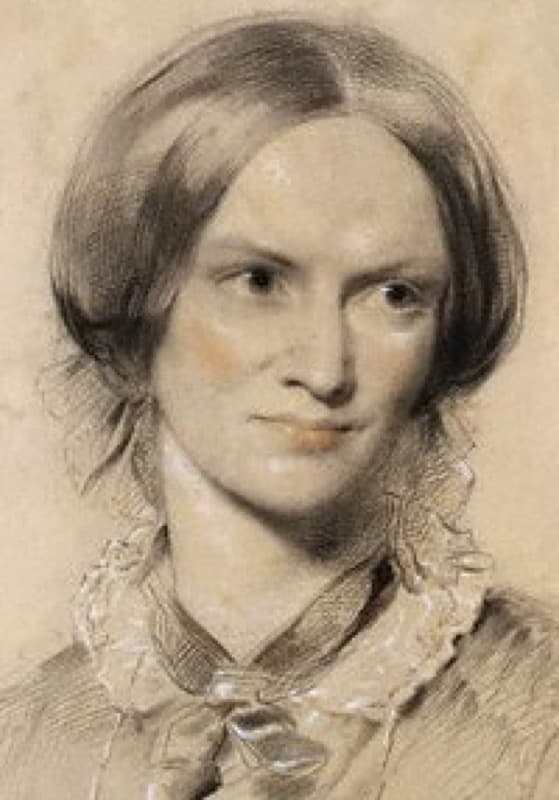
Jane Eyre
Charlotte Brontë
Charlotte's Jane walks away from Thornfield and the man she loves when staying would cost her conscience, the same courage Helen finds in leaving Huntingdon.
£1.99
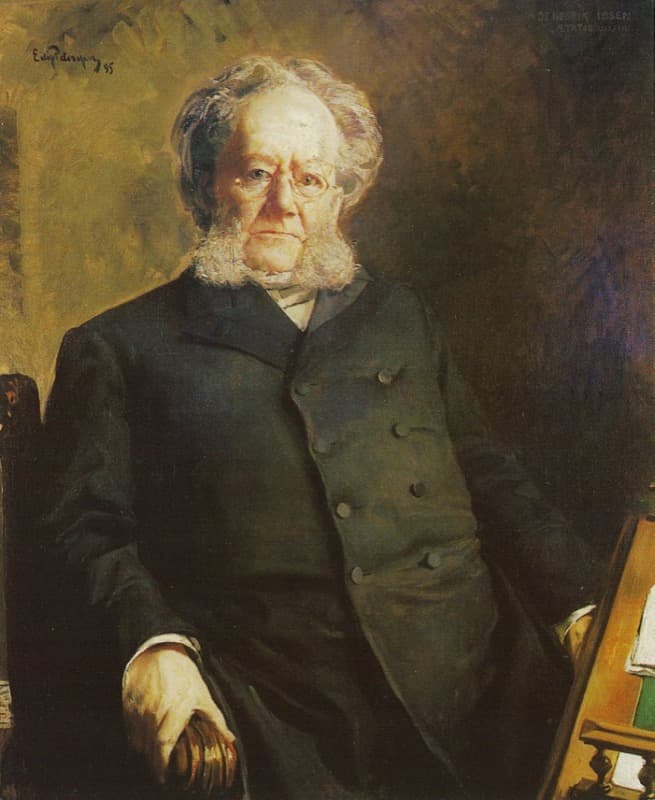
A Doll's House
Henrik Ibsen
Ibsen stages the same walking out thirty years later, but compresses it into three acts and one door closing at the very end.
£1.99
The Awakening
Kate Chopin
Kate Chopin sends a Louisiana wife after the same freedom, but gives her no child to save and no trade to sell.
£1.99
About the book
In 1848 an English wife who left her husband and took her son with her was a thief in law, and the stolen property was the boy. Anne Brontë wrote that woman anyway. A stranger takes a few rooms in a half-abandoned Elizabethan hall, gives a false name, signs her canvases with false initials, sends them to London to be sold by someone she never meets, and lets the village invent whatever it likes about her. Then she puts her diary into the hands of the man who loves her, and the gossip becomes a marriage seen from inside: the charming drunk, his friends, the slow years, the night she tells him he may keep the name of husband and nothing else. Anne had watched her own brother drink himself to nothing and refused to make any of it picturesque. Reviewers called the book coarse. She answered in a preface that asks, still unanswered, why a woman should be censured for writing what would be proper and becoming in a man.