

In the Library
To a Skylark
Percy Bysshe Shelley, 1820
- Form
- Form Poem
- Difficulty
- Difficulty Accessible
- Reading time
- Reading time 5 minutes
- Chapters
- Chapters 1
- Length
- Length 1k words
£1.99
Read in the app, yours for good. Not yet by post.
The book unlocks on your account as soon as you buy it, so the 14-day right to cancel ends once it is unlocked.
Hail to thee, blithe Spirit! / Bird thou never wert, / That from Heaven, or near it, / Pourest thy full heart / In profuse strains of unpremeditated art.
What buying means
- Yours for good, on every iPhone you sign in to.
- Read in the app’s own reader, with the original beside the translation where there is one.
- Downloaded, so it reads with no signal.
- The same price as in the app. Folio already opens every book on this shelf; buying keeps this one after Folio ends. A refund takes it back.
If you like this, try
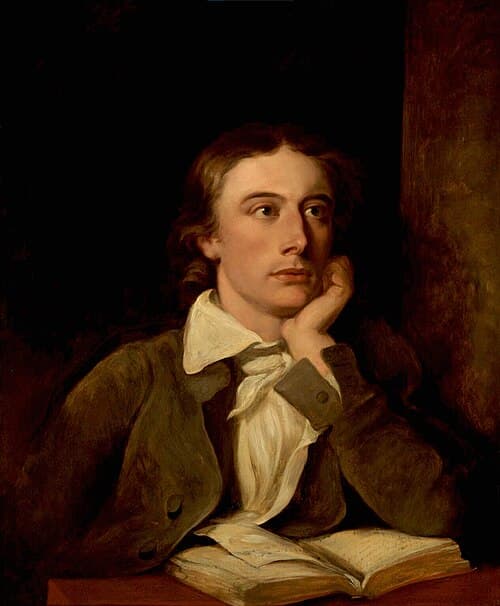
Ode to a Nightingale
John Keats
Keats answers Shelley's skylark with a nightingale of his own, chasing the same fleeting, disembodied joy toward the edge of oblivion.
£1.99
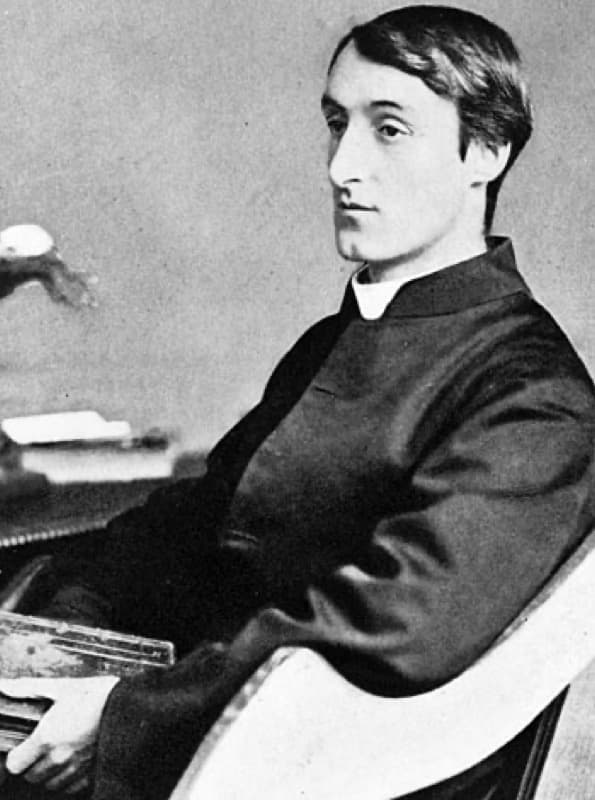
The Windhover
Gerard Manley Hopkins
Hopkins chases another bird into ecstatic praise, but traps his rapture inside a hard, cracking sonnet instead of Shelley's free-running ode.
£1.99
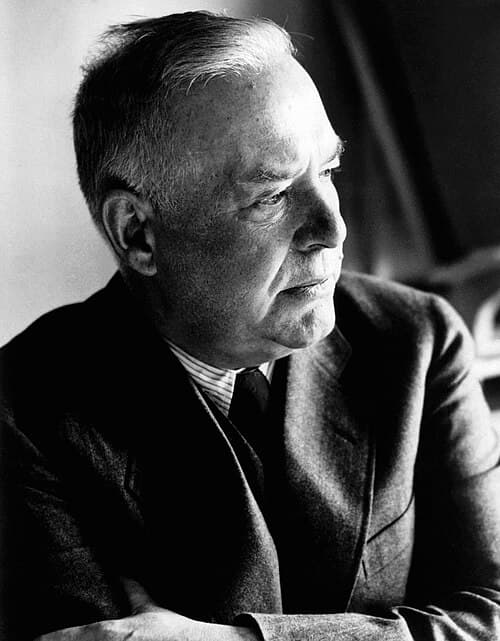
Thirteen Ways of Looking at a Blackbird
Wallace Stevens
Stevens takes the same unreachable bird and shatters it into thirteen glimpses, trading Shelley's rush of feeling for cool, exact perception.
£1.99
About the book
"Hail to thee, blithe Spirit! / Bird thou never wert." Shelley opens by refusing to believe the thing overhead is a bird at all, and for twenty-one stanzas he keeps trying to say what it is instead. It is a poet hidden in the light of thought, a high-born maiden singing in a palace tower, a glow-worm scattering its gold unseen in a dell of dew, a rose so deep in its own leaves that the wind steals its scent. Each likeness is lovely and each falls short, and the falling short is the poem: a man reaching with every image he owns toward a joy that never looks down. Every stanza climbs through four short lines, then lets out one long one, as a song spills over at the top of its rise. Then the lines people carry for life: we look before and after, and pine for what is not; our sweetest songs are those that tell of saddest thought. The lark knows no such thing. Shelley, listening from the ground, knows little else, and cannot stop listening.