

In the Library
We
Yevgeny Zamyatin, 1924
- Form
- Form Novel
- Difficulty
- Difficulty Moderate
- Reading time
- Reading time 4.5 hours
- Translated by
- Translated by Gregory Zilboorg
- Chapters
- Chapters 40
- Length
- Length 62k words
£1.99
Read in the app, yours for good. Not yet by post.
The book unlocks on your account as soon as you buy it, so the 14-day right to cancel ends once it is unlocked.
freedom and crime are as closely related as—well, as the movement of an aero and its speed
What buying means
- Yours for good, on every iPhone you sign in to.
- Read in the app’s own reader, with the original beside the translation where there is one.
- Downloaded, so it reads with no signal.
- The same price as in the app. Folio already opens every book on this shelf; buying keeps this one after Folio ends. A refund takes it back.
If you like this, try
Nineteen Eighty-Four
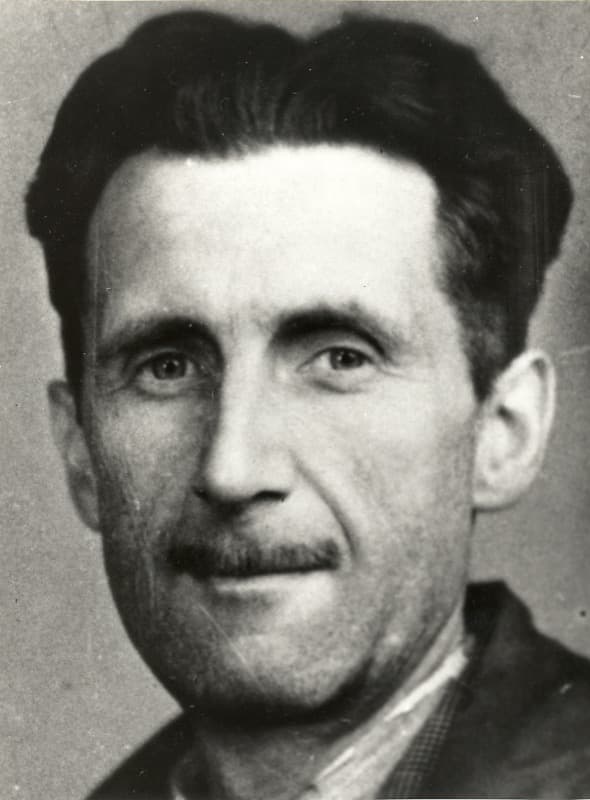
George Orwell
1984 does the same thing, but sharpens the numbness into a slogan: love is treason, and the state rewires a mind to prove it.
£1.99
The Trial
Franz Kafka
The Trial does the same thing, but trades the glass city for a maze of doors, turning the same helpless dread into pure procedure.
£1.99

About the book
A mathematician in a glass city writes a diary in praise of the One State, and somewhere around the seventh entry he begins to notice that he has a soul. Yevgeny Zamyatin completed this novel in 1921 and saw it banned at home before any Russian edition appeared; it circulated in Prague and New York while he lived under quiet siege in Petrograd. D-503 builds the spaceship Integral, loves the obedient O-90, and is undone by the woman known only as I-330, who smokes in open defiance of the law and meets him beyond the Green Wall. The book invented the literary dystopia as we have it. Orwell read it and admitted as much; Huxley read it and denied it. The future, Zamyatin saw early, would be made of glass.