
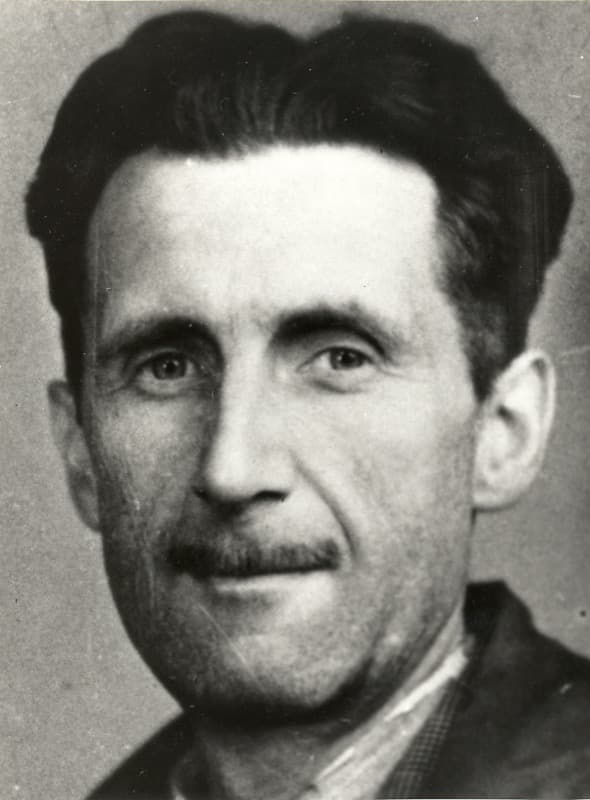
takes a verse from Ecclesiastes, one of the loveliest sentences in English, and rewrites it in the grey institutional fog of his own moment until the meaning nearly vanishes. That single demonstration is the whole essay in miniature, and it lands like a blow. His claim is that bad prose is not a lapse of style but a lapse of thought, and that the two feed each other in a loop modern politics has learned to live inside: vagueness is not carelessness, it is cover, the cloud a regime hides its cruelties behind. He gives the rot exact names, dying metaphors, the passive voice that quietly deletes whoever did the killing, pretentious diction that sounds learned and says nothing. What stays with you is that he proves every word of it by example, his own sentences so clean and unhurried that the argument has already won before you reach the famous six rules. Read this once and you will never again trust a sentence that refuses to say who did what.