
In the Library
A Madman's Diary
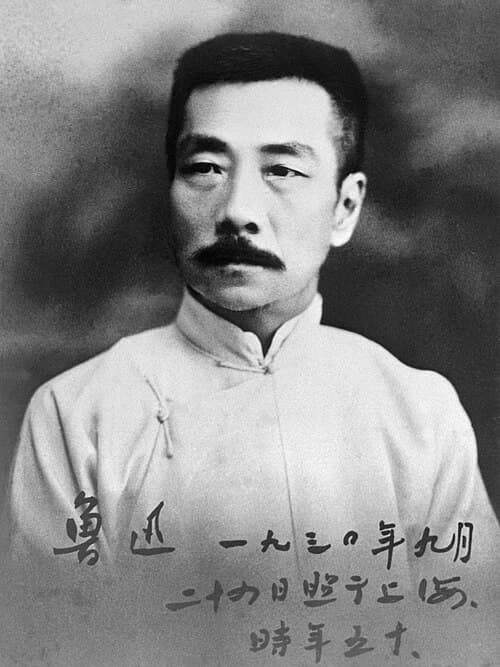
Lu Xun, 1918
- Form
- Form Short Story
- Difficulty
- Difficulty Accessible
- Reading time
- Reading time 20 minutes
- Translated by
- Translated by Translated for The Daily Canon
- Original
- Original zh
- Chapters
- Chapters 14
- Length
- Length 4k words
£1.99
Read in the app, yours for good. Not yet by post.
The book unlocks on your account as soon as you buy it, so the 14-day right to cancel ends once it is unlocked.
Save the children...
What buying means
- Yours for good, on every iPhone you sign in to.
- Read in the app’s own reader, with the original beside the translation where there is one.
- Downloaded, so it reads with no signal.
- The same price as in the app. Folio already opens every book on this shelf; buying keeps this one after Folio ends. A refund takes it back.
If you like this, try
The Metamorphosis
Franz Kafka
Kafka dramatises the same horrifying clarity: one morning you wake up and see what society really is, and it has already consumed you.
£1.99
The Overcoat
Nikolai Gogol
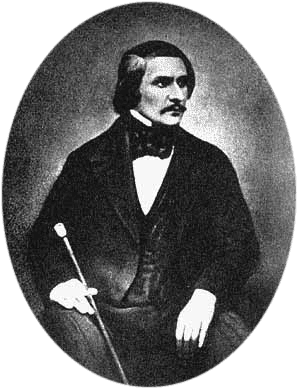
Lu Xun took his title from Gogol, and The Overcoat shows that master's other gift: a humble clerk crushed by a society too callous to notice him.
£1.99
Notes from the Underground
Fyodor Dostoevsky
Notes from Underground gives the same unreliable, spiraling first-person voice attacking a society it cannot escape, but the target is petty spite rather than tradition itself.
£1.99


About the book
Between the lines of the history he has revered all his life, page after page of benevolence and virtue, a sleepless man finally makes out the two words that were always underneath: eat people. Once he has seen it he cannot stop. The neighbours' grins, the doctor sent to take his pulse, the elder brother who runs the house all become, he is certain, fellow diners waiting their turn at a feast four thousand years old that has always called itself morality. His terror is not delusion but the only clear sight in the country, and the sharpest cut turns inward, the dawning horror that he too, raised at the same table, may already have tasted what they taste. Lu Xun wrote the first great story in everyday Chinese, and the plain new speech was itself the blow, aimed at the lovely old language that taught a civilisation to devour its own and feel righteous doing it. The diary breaks off on a cry that has never stopped sounding: save the children.