
In the Library
Childhood
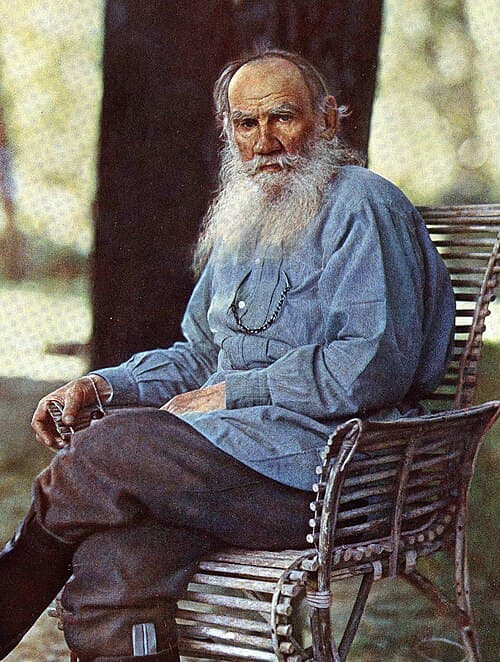
Leo Tolstoy, 1852
- Form
- Form Novel
- Difficulty
- Difficulty Accessible
- Reading time
- Reading time 3 hours
- Translated by
- Translated by C. J. Hogarth
- Chapters
- Chapters 28
- Length
- Length 38k words
£1.99
Read in the app, yours for good. Not yet by post.
The book unlocks on your account as soon as you buy it, so the 14-day right to cancel ends once it is unlocked.
And the story of his life, too—how terrible it is!
What buying means
- Yours for good, on every iPhone you sign in to.
- Read in the app’s own reader, with the original beside the translation where there is one.
- Downloaded, so it reads with no signal.
- The same price as in the app. Folio already opens every book on this shelf; buying keeps this one after Folio ends. A refund takes it back.
If you like this, try
David Copperfield
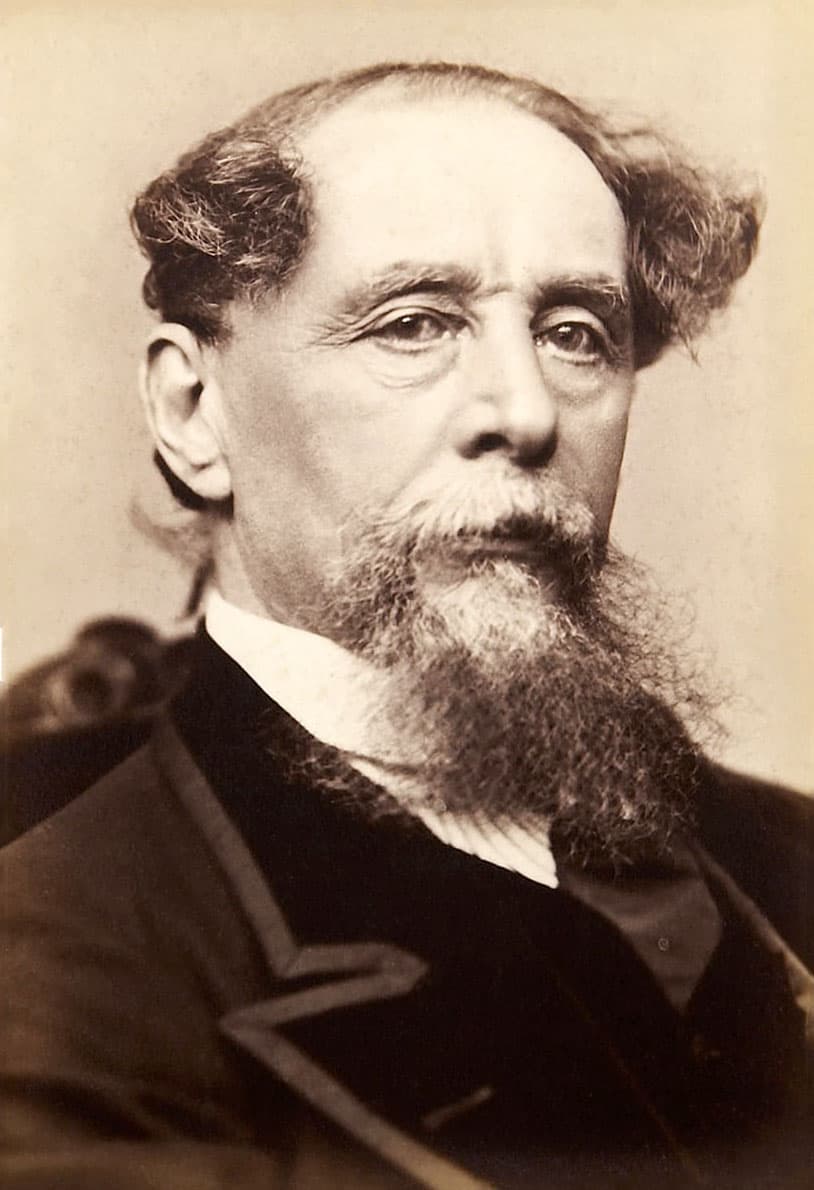
Charles Dickens
The other novel that trusts a child's own view of events completely, and the one Tolstoy read and loved before writing this.
£1.99
A Portrait of the Artist as a Young Man
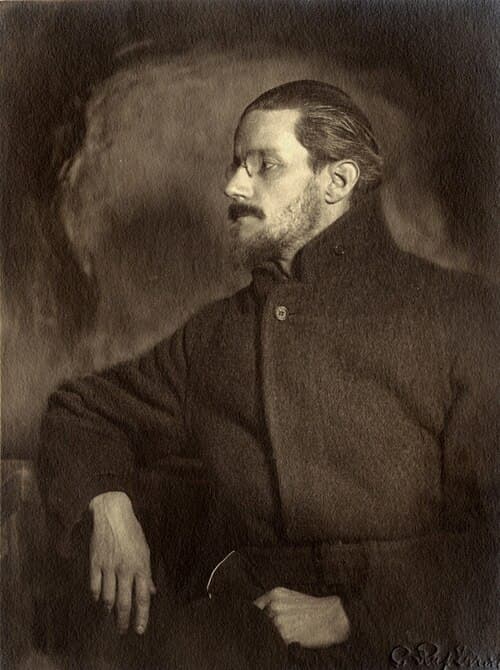
James Joyce
The same project carried further, a consciousness rendered at the exact pitch of each age it passes through rather than explained from outside.
£1.99
The Death of Ivan Ilyich
Leo Tolstoy
Tolstoy at the other end of a life, watching a man die with the same refusal to look away that he first practised on a child at a funeral.
£1.99
About the book
The tutor swats a fly above a ten-year-old's bed with a paper flapper, and the boy, half awake and already furious, decides the man has done it to torment him personally. That is the register of this book: a grown writer remembering exactly how enormous small humiliations felt, and refusing to smile at the child he was. Tolstoy published it anonymously at twenty-three and Russia immediately wanted to know who had written it. Nobody had put a child's interior on the page like this, the calculations about who loves whom, the shame after a lie, the way grief arrives sideways and mostly as embarrassment about how one is behaving at the funeral. It is the first thing he wrote and the method of everything after it is already here: no scene is too small if it is watched closely enough.