
In the Library
Chronicle of the Narváez Expedition
Álvar Núñez Cabeza de Vaca, 1542
- Form
- Form Essay
- Difficulty
- Difficulty Moderate
- Reading time
- Reading time 2.5 hours
- Translated by
- Translated by Buckingham Smith (1871)
- Chapters
- Chapters 39
- Length
- Length 37k words
£1.99
Read in the app, yours for good. Not yet by post.
The book unlocks on your account as soon as you buy it, so the 14-day right to cancel ends once it is unlocked.
through all that country we went naked, and not being accustomed to it, like snakes we shed our skin twice a year.
What buying means
- Yours for good, on every iPhone you sign in to.
- Read in the app’s own reader, with the original beside the translation where there is one.
- Downloaded, so it reads with no signal.
- The same price as in the app. Folio already opens every book on this shelf; buying keeps this one after Folio ends. A refund takes it back.
If you like this, try
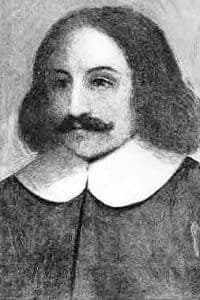
Of Plymouth Plantation
William Bradford
Bradford writes the same kind of report from the edge of a new world, but his colonists stay put, build a town, and keep the record for thirty years.
£1.99
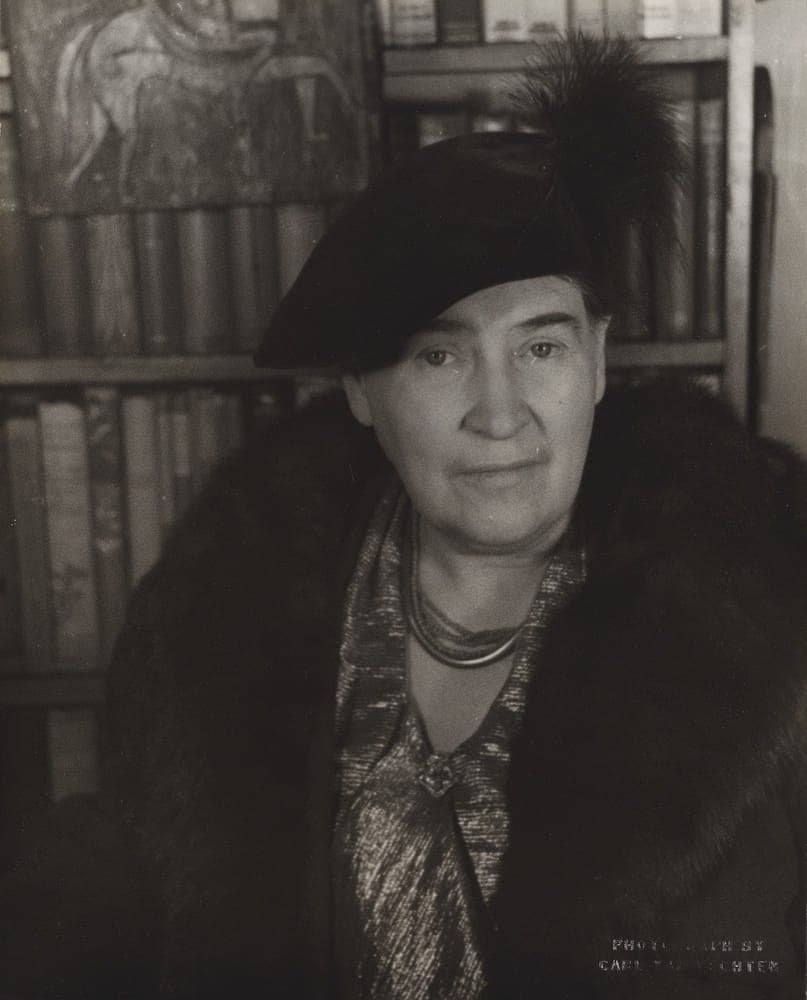
Death Comes for the Archbishop
Willa Cather
Cather's two French priests cross the same deserts of the Southwest three centuries on, carrying faith on muleback and winning trust the slow way Cabeza de Vaca begged his emperor to try.
£1.99
About the book
Three hundred men wade ashore in Florida with a royal warrant and no idea where they are. Eight years later four are alive, and one of them is writing it down for the emperor who sent them. Cabeza de Vaca's account tracks the slow subtraction: the horses eaten, the stirrups and spurs melted into nails for boats sewn from horsehide, shirts hoisted as sails, the raft breaking up on a winter beach where the naked survivors are taken in and wept over by people who had almost nothing themselves. He is enslaved, then a trader, then a healer whose breath and prayers are believed to cure. By the end he walks into a Spanish slaving party and finds he no longer recognises his own countrymen. The astonishment of this book is how a conquistador's report turns, without meaning to, into the testimony of a man who lost everything Europe gave him and came back arguing for the people who kept him alive.