
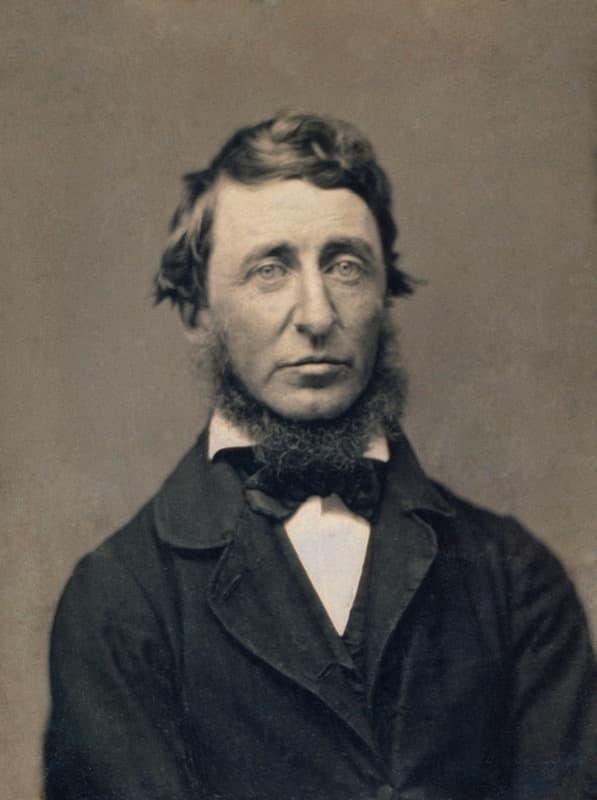
In the Library
Civil Disobedience
Henry David Thoreau, 1849
- Form
- Form Essay
- Difficulty
- Difficulty Moderate
- Reading time
- Reading time 40 minutes
- Chapters
- Chapters 1
- Length
- Length 9k words
£1.99
Read in the app, yours for good. Not yet by post.
The book unlocks on your account as soon as you buy it, so the 14-day right to cancel ends once it is unlocked.
That government is best which governs least.
What buying means
- Yours for good, on every iPhone you sign in to.
- Read in the app’s own reader, with the original beside the translation where there is one.
- Downloaded, so it reads with no signal.
- The same price as in the app. Folio already opens every book on this shelf; buying keeps this one after Folio ends. A refund takes it back.
If you like this, try

About the book
One night in a Concord jail, held for refusing a tax to a government that kept slaves and waged war on Mexico, Thoreau worked out the most dangerous idea an honest person can have: that obedience to an unjust law is itself a kind of wrong. He will not lend his weight, not even the few coins of it, to a machine he believes is grinding men down. The argument is plain and merciless. If the law makes you the agent of injustice, then break the law; the true place for a just man under a government that imprisons unjustly is also a prison. What gives the essay its strange, quiet force is how personal it makes the question. It does not ask what governments should do. It asks what you will do, alone, when the tax collector knocks. The cell held him one night; the sentences he wrote there reached Gandhi's salt road and a Birmingham jail, and they are still knocking.