
In the Library
The Social Contract
Jean-Jacques Rousseau, 1762
- Form
- Form Philosophy
- Difficulty
- Difficulty Moderate
- Reading time
- Reading time 3 hours
- Translated by
- Translated by G. D. H. Cole (1913)
- Chapters
- Chapters 4
- Length
- Length 42k words
£1.99
Read in the app, yours for good. Not yet by post.
The book unlocks on your account as soon as you buy it, so the 14-day right to cancel ends once it is unlocked.
Man is born free; and everywhere he is in chains.
What buying means
- Yours for good, on every iPhone you sign in to.
- Read in the app’s own reader, with the original beside the translation where there is one.
- Downloaded, so it reads with no signal.
- The same price as in the app. Folio already opens every book on this shelf; buying keeps this one after Folio ends. A refund takes it back.
If you like this, try
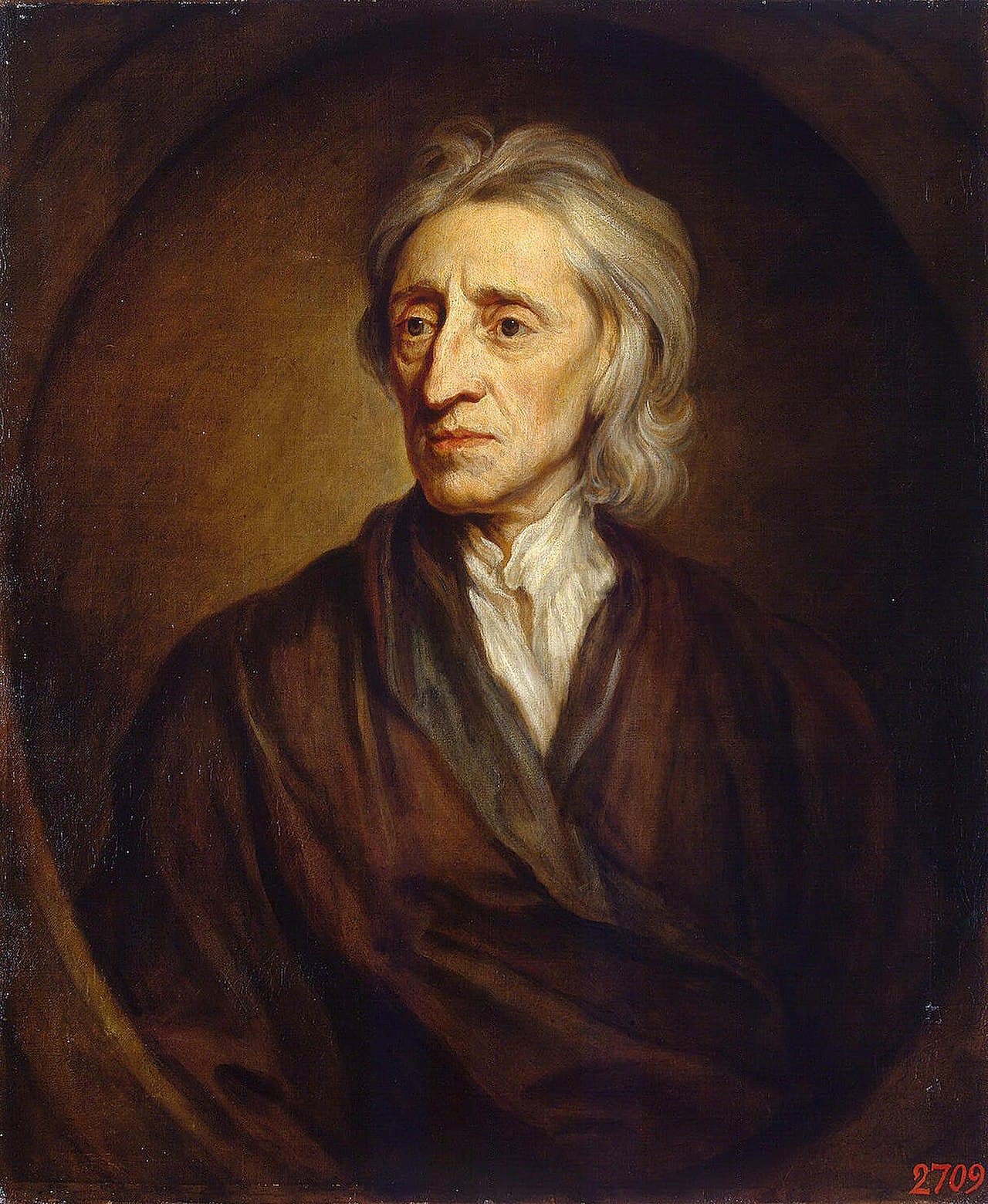
Two Treatises of Government
John Locke
Locke laid the groundwork Rousseau built on (consent, natural rights, the right to revolution), and reading them together is the foundation of modern political thought.
£1.99
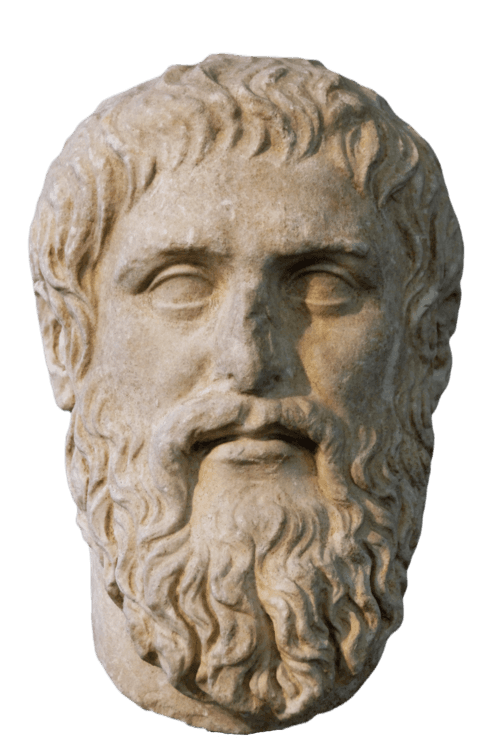
The Republic
Plato
Plato designed the first ideal state; Rousseau starts from scratch and tries to build one that doesn't need philosopher-kings.
£1.99
Common Sense
Thomas Paine
Paine turns Rousseau's theory into a pamphlet that starts a revolution.
£1.99

About the book
"Man is born free, and everywhere he is in chains." Rousseau opens with the sentence that would help topple a monarchy, then spends the rest of the book asking the question buried inside it: not how to break the chains, but how to make them just. His answer is the general will, the idea that a people can author the laws they live under and so obey only themselves, that authority drawn from the consent of the governed is the one authority that does not enslave. It is a thrilling, dangerous, impossibly hopeful proposition, that a crowd of strangers might become a single body politic and govern itself without a master. Read it knowing the Bastille fell within Rousseau's century and the men who stormed it carried his sentences in their heads. Few books have argued, this fiercely, that freedom and obedience could be the same act.