
In the Library
Civilization and Its Discontents
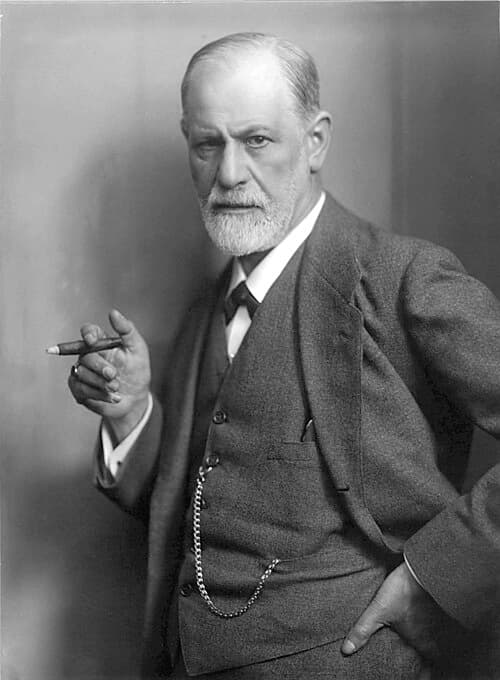
Sigmund Freud, 1930
- Form
- Form Essay
- Difficulty
- Difficulty Moderate
- Reading time
- Reading time 2.5 hours
- Translated by
- Translated by Joan Riviere
- Chapters
- Chapters 8
- Length
- Length 31k words
£1.99
Read in the app, yours for good. Not yet by post.
The book unlocks on your account as soon as you buy it, so the 14-day right to cancel ends once it is unlocked.
In the public domain in the United States only: this edition is sold and read there and nowhere else.
The price we pay for our advance in civilization is a loss of happiness through the heightening of the sense of guilt.
What buying means
- Yours for good, on every iPhone you sign in to.
- Read in the app’s own reader, with the original beside the translation where there is one.
- Downloaded, so it reads with no signal.
- The same price as in the app. Folio already opens every book on this shelf; buying keeps this one after Folio ends. A refund takes it back.
If you like this, try
The Trial
Franz Kafka
The Trial traps a man inside guilt with no crime to confess, the same machinery Freud diagnoses, but staged as a nightmare instead of a theory.
£1.99
Leviathan
Thomas Hobbes
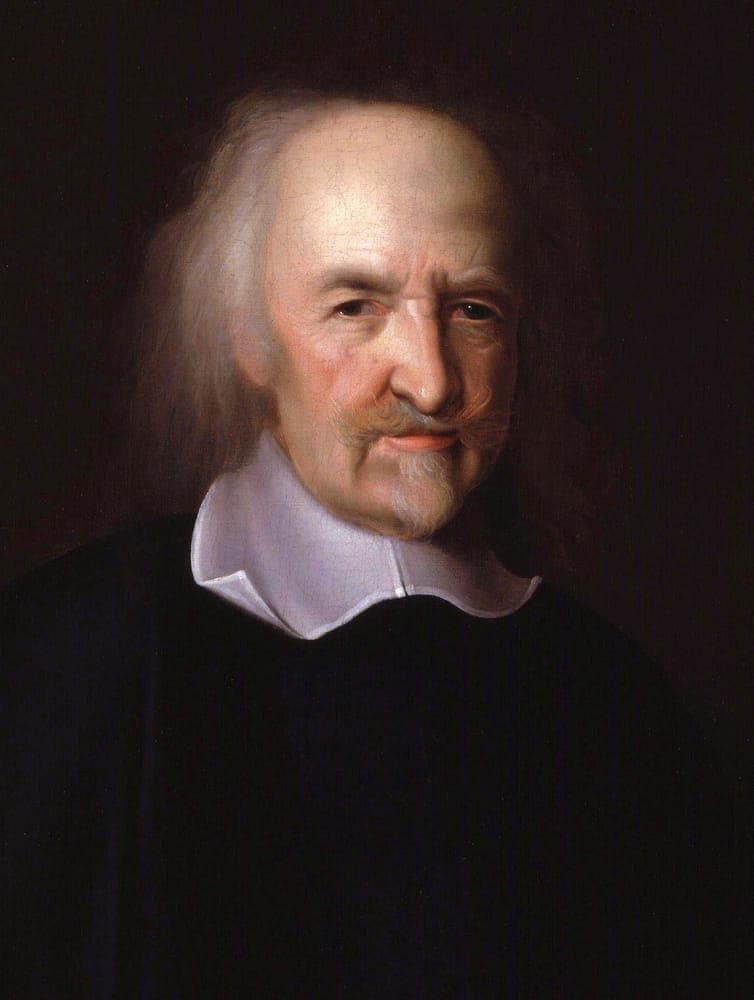
Hobbes makes the original bargain Freud is still counting the cost of: life in nature is nasty, brutish and short, so we hand our freedom to a sovereign in exchange for peace.
£1.99

About the book
Freud sits down in 1929, with Europe already trembling toward another war, and asks the question civilization keeps refusing to hear: what does it cost us to live together at all. Not much comfort, he finds. Every rule that lets neighbors sleep in adjoining houses without murdering each other is a renunciation, and every renunciation breeds a guilt that never fully drains away, no matter how much pleasure it buys. The line that gives the book its spine is a borrowed one: man is a wolf to man, and the thin architecture we call society exists only to keep that wolf leashed. Freud will not flatter you with hope. He weighs Eros against the death drive and finds the outcome genuinely uncertain, then closes by wondering aloud which of the two immortal powers will win the age he is writing in. Short, plain, and merciless, it is the rare book that explains your own unhappiness back to you and dares you to disagree.