
In the Library
Critique of Pure Reason
Immanuel Kant, 1781
- Form
- Form Philosophy
- Difficulty
- Difficulty Demanding
- Reading time
- Reading time 14 hours
- Translated by
- Translated by J. M. D. Meiklejohn (1855)
- Original
- Original de
- Chapters
- Chapters 74
- Length
- Length 198k words
£1.99
Read in the app, yours for good. Not yet by post.
The book unlocks on your account as soon as you buy it, so the 14-day right to cancel ends once it is unlocked.
Thoughts without content are empty; intuitions without concepts are blind.
What buying means
- Yours for good, on every iPhone you sign in to.
- Read in the app’s own reader, with the original beside the translation where there is one.
- Downloaded, so it reads with no signal.
- The same price as in the app. Folio already opens every book on this shelf; buying keeps this one after Folio ends. A refund takes it back.
The reading guide, in the app
How to Read Critique of Pure Reason
A book with a reputation for being the most punishing thing in philosophy, when in truth it is one strange and liberating idea, stated once in the opening pages and then defended for six hundred patient, repetitive, navigable pages.
The reputation of the Critique of Pure Reason is that it is the hardest book in Western philosophy, written in a private dialect of invented terms, impossible to follow without a professor standing over you, and best left to people who do this for a living. The terror is half earned and half a trick of the surface. The vocabulary really is forbidding and the middle chapters really will defeat you if you try to master every sentence, but the thing the whole book is built to deliver is a single idea, and once you have that idea in plain words you can read the rest as Kant working out its consequences rather than as a wall of riddles you have failed to climb.
If you like this, try
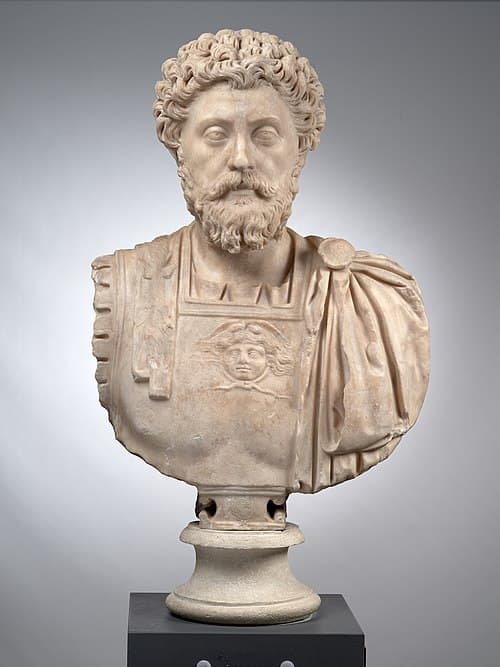
Meditations
Marcus Aurelius
Marcus Aurelius practises the discipline of thought that Kant theorises, and the emperor is less systematic but more readable.
£1.99
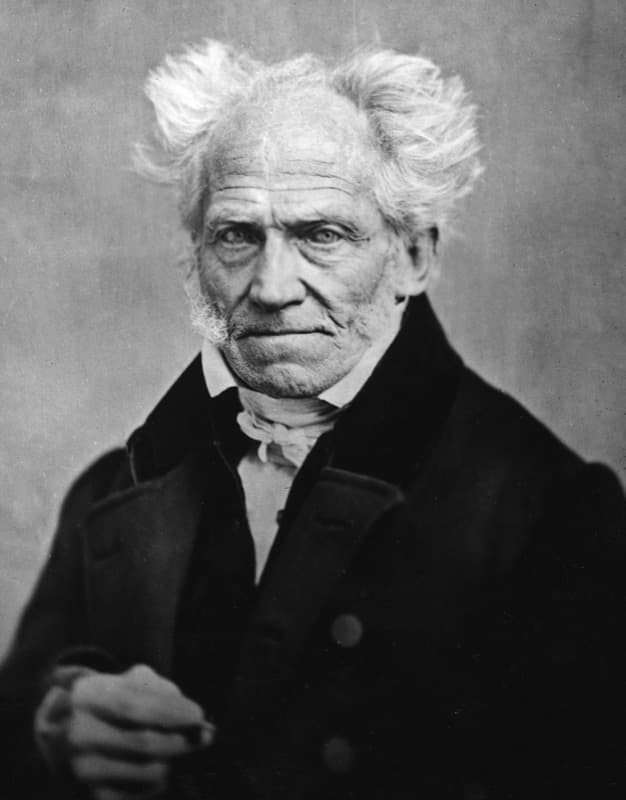
The World as Will and Representation
Arthur Schopenhauer
Schopenhauer starts where Kant stops: the thing-in-itself is will, and the rest is suffering.
£1.99
About the book
Look up from the room around you, and from the minutes sliding past as you read: Kant's claim is that neither the space nor the time is out there in the world. Both are the mind's own architecture, fitted to raw sensation before any experience can arrive, which is why mathematics holds without fail and why the world as it stands in itself, untouched by any mind, is sealed away for good. This is the largest question a book can shoulder, what a thinking creature can know and where that knowing must stop, and Kant, returning to it at fifty-seven after a decade of near-silence, gives it no quarter. The book is slow, asking to be read more than once before the whole system stands clear, but the vertigo waiting inside lives nowhere else: the ordinary world is partly your own mind's making. That, Critique of Pure Reason insists, is no loss to mourn but the one condition under which anything becomes knowable, the mind no mirror held up to reality but the light by which reality first appears.