
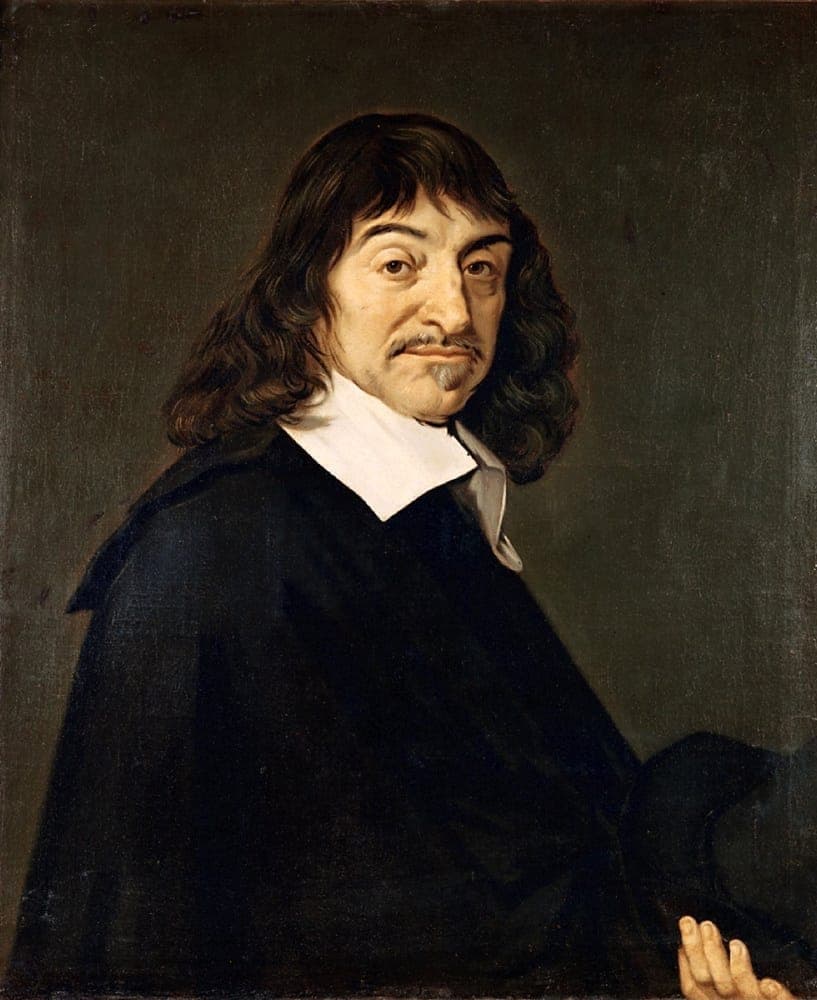
In the Library
Discourse on Method
Rene Descartes, 1637
- Form
- Form Philosophy
- Difficulty
- Difficulty Moderate
- Reading time
- Reading time 1.5 hours
- Translated by
- Translated by John Veitch
- Chapters
- Chapters 6
- Length
- Length 23k words
£1.99
Read in the app, yours for good. Not yet by post.
The book unlocks on your account as soon as you buy it, so the 14-day right to cancel ends once it is unlocked.
I think, therefore I am
What buying means
- Yours for good, on every iPhone you sign in to.
- Read in the app’s own reader, with the original beside the translation where there is one.
- Downloaded, so it reads with no signal.
- The same price as in the app. Folio already opens every book on this shelf; buying keeps this one after Folio ends. A refund takes it back.
If you like this, try
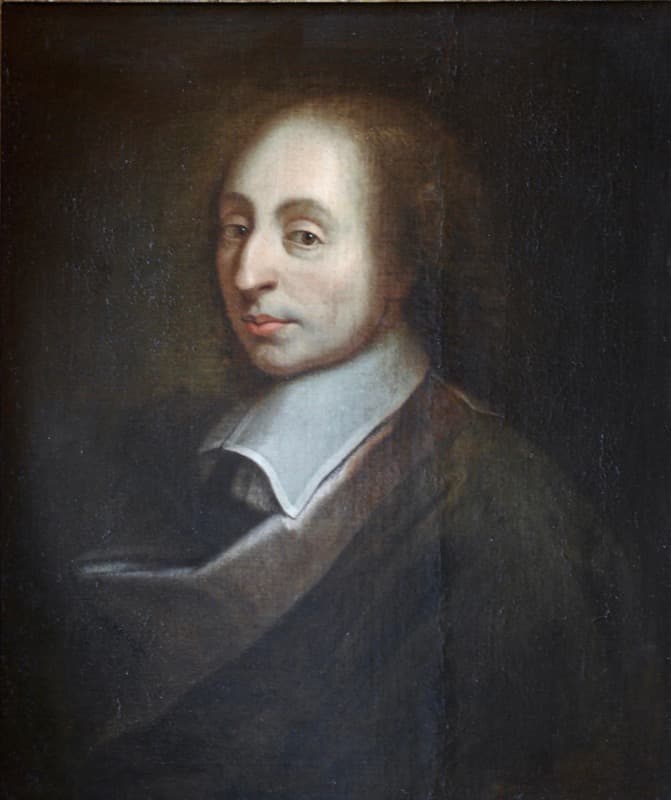
Pensées
Blaise Pascal
Pascal wrestles with doubt too, but where Descartes builds a fortress of certainty, Pascal leaves the wager open and lets faith fill the gap.
£1.99
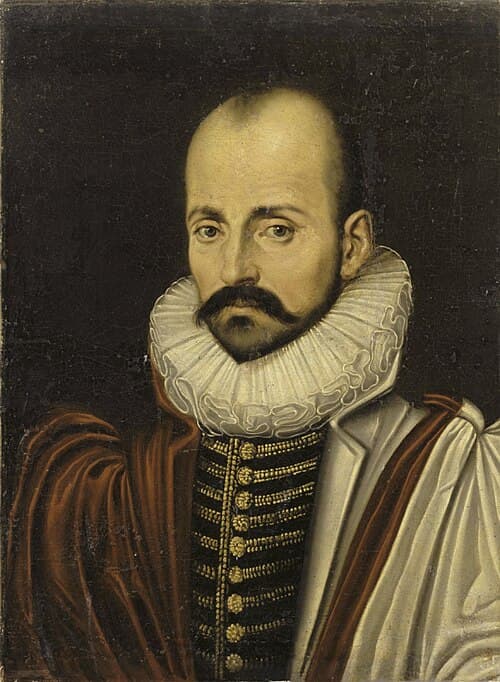
Essays
Michel de Montaigne
Montaigne's motto was Que sais-je, what do I know, and his essays are the warm, wandering doubt Descartes set out to end, written in the same personal French first person.
£1.99
Ethics
Benedict de Spinoza
Spinoza takes Descartes's method and pushes it further, deducing an entire universe from first principles like a geometry proof.
£1.99
About the book
A stove-heated room in Germany, in the dead of a winter he is mostly waiting out: that is where Descartes resolves to doubt everything he has ever believed, all at once, the way you might raze a house down to its foundations rather than patch the walls. The senses deceive, and dreams counterfeit the waking world so exactly that nothing inside one ever announces itself as false; even mathematics, that last redoubt of certainty, might be corrupted by some flaw built into his own mind. He follows the doubt all the way down and finds, at the very bottom, one thing it cannot dissolve: the fact of his own doubting. I think, therefore I am becomes the single plank sound enough to build a new world on. What still astonishes is the plainness of the telling: he wrote it in French, not the Latin of the schools, so that any reader with reason enough to follow could watch a mind take itself apart in public and, sentence by sentence, put itself back together.