

In the Library
Doctor Faustus
Christopher Marlowe, 1592
- Form
- Form Play
- Difficulty
- Difficulty Moderate
- Reading time
- Reading time 50 minutes
- Chapters
- Chapters 6
- Length
- Length 11k words
£1.99
Read in the app, yours for good. Not yet by post.
The book unlocks on your account as soon as you buy it, so the 14-day right to cancel ends once it is unlocked.
Was this the face that launch'd a thousand ships, and burnt the topless towers of Ilium?
What buying means
- Yours for good, on every iPhone you sign in to.
- Read in the app’s own reader, with the original beside the translation where there is one.
- Downloaded, so it reads with no signal.
- The same price as in the app. Folio already opens every book on this shelf; buying keeps this one after Folio ends. A refund takes it back.
If you like this, try
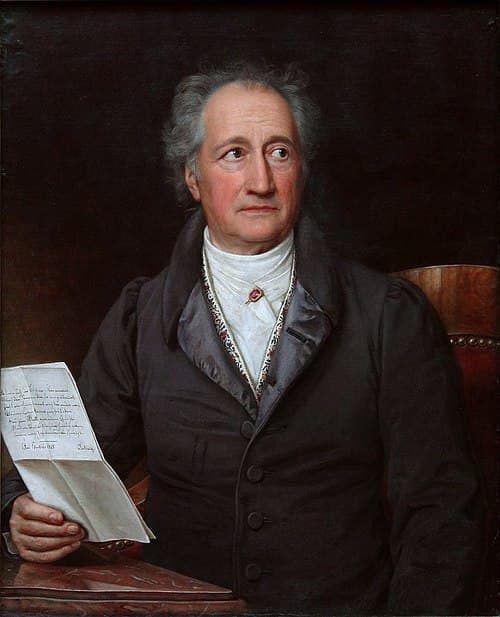
Faust (Part I)
Johann Wolfgang von Goethe
Goethe took Marlowe's damned scholar and gave him a second chance; read them together to see what the Enlightenment changed.
£1.99
Hamlet
William Shakespeare
Shakespeare's other great study of a brilliant mind that talks itself into paralysis and destruction.
£1.99
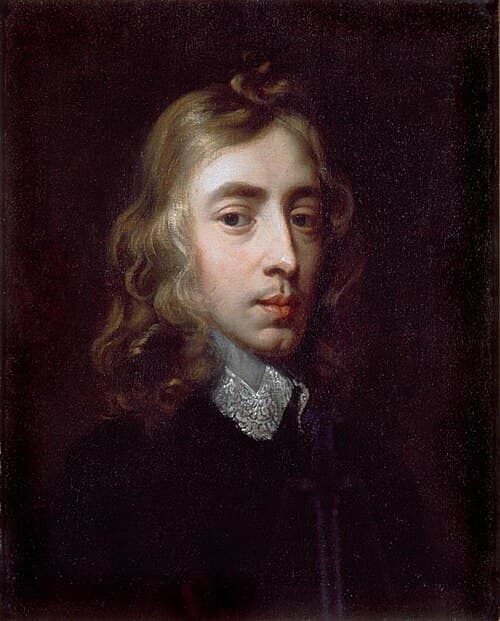
Paradise Lost
John Milton
Milton makes Faustus's tempter the protagonist, and the rebellion becomes the whole story.
£1.99

About the book
The clock strikes eleven, and a man who once called himself a demi-god begs the stars to stop turning. He has one hour left of the twenty-four years he bought, in his own blood, for all the forbidden knowledge of the world. Christopher Marlowe's scholar mastered every discipline learning could offer and found each one hollow, so he signed his soul away to a demon named Mephistopheles and got, in return, the chance to play pranks on cardinals and conjure a ghost for a duke's dinner. The waste is the horror, not the hellfire. And it is Mephistopheles, not Faustus, who speaks the play's most terrible truth, calmly, almost gently: hell is not a place you are sent but a condition you carry, and wherever the damned stand, there it already is. Four centuries on, that final soliloquy remains the most desperate hour in English verse, a learned man watching midnight come and knowing the stars will not slow for him.