
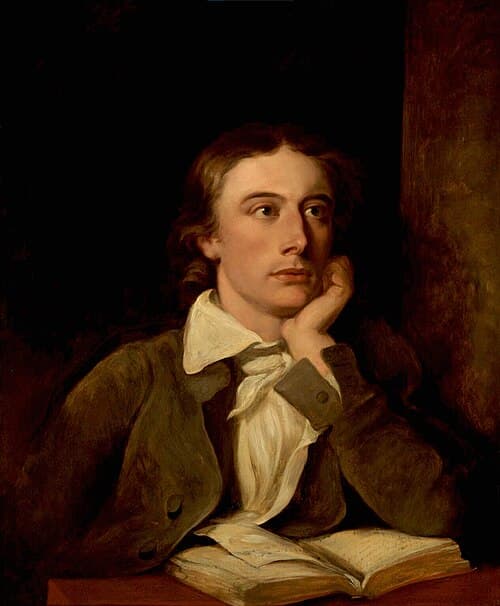
In the Library
Endymion
John Keats, 1818
- Form
- Form Poem
- Difficulty
- Difficulty Moderate
- Reading time
- Reading time 2 hours
- Chapters
- Chapters 5
- Length
- Length 30k words
£1.99
Read in the app, yours for good. Not yet by post.
The book unlocks on your account as soon as you buy it, so the 14-day right to cancel ends once it is unlocked.
A thing of beauty is a joy for ever: / Its loveliness increases; it will never / Pass into nothingness;
What buying means
- Yours for good, on every iPhone you sign in to.
- Read in the app’s own reader, with the original beside the translation where there is one.
- Downloaded, so it reads with no signal.
- The same price as in the app. Folio already opens every book on this shelf; buying keeps this one after Folio ends. A refund takes it back.
If you like this, try
The Faerie Queene
Edmund Spenser
Spenser was the poet who first made Keats want to write, and his knights wander the same jewelled dream country, but in stanzas that pause where Keats's couplets run on.
£1.99
The Eve of St. Agnes
John Keats
A year after Endymion, Keats told another tale of a dreamer and a beloved met half in sleep, with every jewelled image of the long poem pressed into rich, perfect stanzas.
£1.99
Metamorphoses
Ovid
Ovid is the storehouse Keats raided for his gods and lovers, and tells the same myths of mortals loved by immortals with a quicker, harder wit.
£1.99
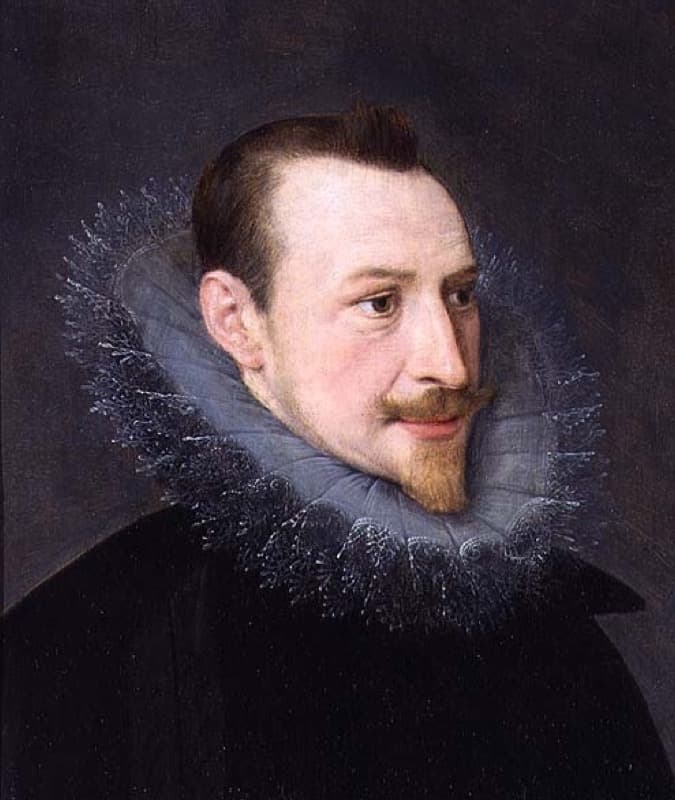

About the book
"A thing of beauty is a joy for ever": the first line is among the most quoted in English, and it came from a young man who had not yet written the odes. Keats set himself four thousand lines as a trial of his invention, and Endymion is that trial passed in wild abundance. A shepherd prince of Latmos dreams of the moon and follows her down through caverns of jewelled rock, along the floor of the sea where an old man has spent a thousand years mourning a drowned love, and up into the winds. The couplets refuse to stop at their rhymes; they spill forward, sentence over line, the way a hungry reader spills from page to page. Keats called the poem feverish in his preface, and the reviewers were cruel. They missed what the fever was for. Here is a poet of twenty-two discovering, line by lavish line, that beauty can be a hunger as well as a joy, and that a mortal who loves something immortal will have to choose between the earth and the sky.