
In the Library
Ethics
Benedict de Spinoza, 1677
- Form
- Form Philosophy
- Difficulty
- Difficulty Demanding
- Reading time
- Reading time 6.5 hours
- Translated by
- Translated by R. H. M. Elwes
- Chapters
- Chapters 5
- Length
- Length 88k words
£1.99
Read in the app, yours for good. Not yet by post.
The book unlocks on your account as soon as you buy it, so the 14-day right to cancel ends once it is unlocked.
All things excellent are as difficult as they are rare.
What buying means
- Yours for good, on every iPhone you sign in to.
- Read in the app’s own reader, with the original beside the translation where there is one.
- Downloaded, so it reads with no signal.
- The same price as in the app. Folio already opens every book on this shelf; buying keeps this one after Folio ends. A refund takes it back.
If you like this, try
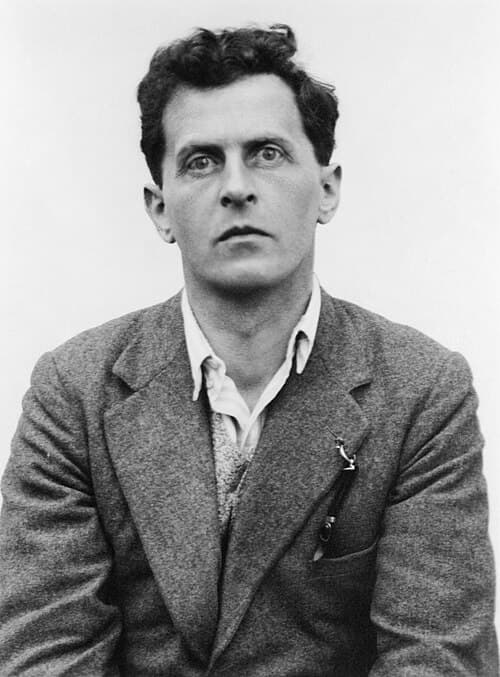
Tractatus Logico-Philosophicus
Ludwig Wittgenstein
Wittgenstein builds a whole system out of numbered propositions the way Spinoza builds one out of geometric proofs, both convinced that the right form can pin down truth itself.
£1.99
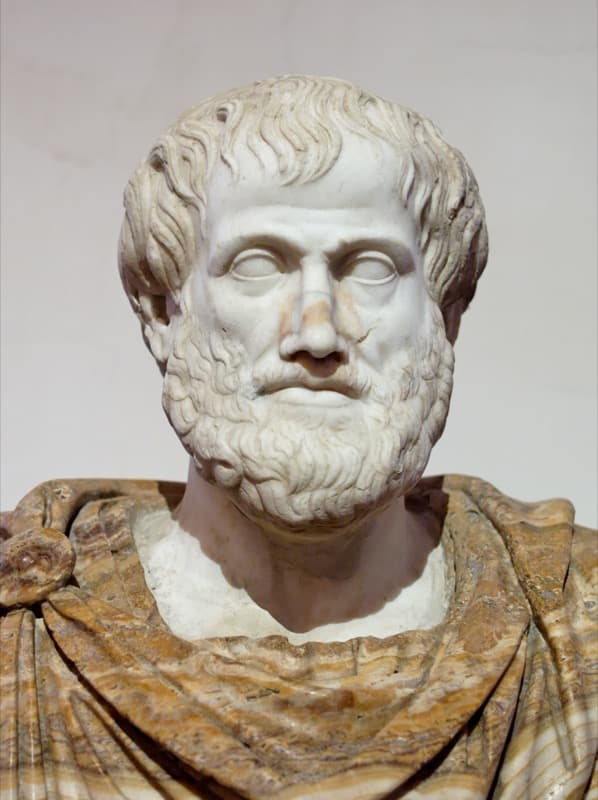
Nicomachean Ethics
Aristotle
Aristotle aims at the same target, a life lived well, but trusts habit and practical wisdom to get there where Spinoza trusts deduction from first causes.
£1.99
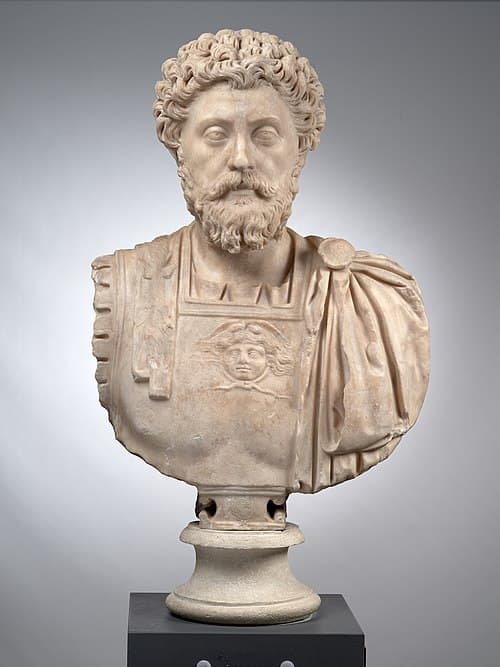
Meditations
Marcus Aurelius
Marcus Aurelius reaches the same peace with necessity, accepting whatever nature sends, but writes it as a soldier's private notebook instead of a geometric proof.
£1.99
About the book
Each claim in this book ends the way a geometry proof does: Q.E.D., stamped after propositions about love, envy, hope, and despair. Spinoza set out to prove ethics with the same rigor Euclid used for triangles, and the whole architecture rests on one claim: God and Nature are one infinite substance, and everything that exists, including your own desires, follows from it as necessarily as a shadow follows a body. You feel free when you choose, he shows, only because you cannot see the chain of causes doing the choosing. Cast out of Amsterdam's synagogue at twenty-three under a curse that damned him by day and by night, Spinoza spent his short life grinding lenses for a living, finishing this book only to withhold it, too dangerous to publish while he lived. It reached the world months after his death, and was banned within the year. Its last proved proposition, as certain to him as any theorem: all excellent things are as difficult as they are rare.