

In the Library
Finnegans Wake
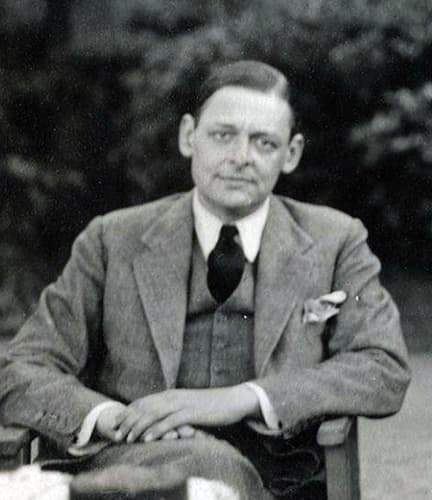
James Joyce, 1939
- Form
- Form Novel
- Difficulty
- Difficulty Demanding
- Reading time
- Reading time 16 hours
- Chapters
- Chapters 17
- Length
- Length 219k words
£1.99
Read in the app, yours for good. Not yet by post.
This edition is still in copyright in the United States, so it cannot be bought there.
The first button opens the book in the app when it is installed; the badge gets the app.
Still in copyright in the United States: this edition is sold and read outside it.
riverrun, past Eve and Adam's, from swerve of shore to bend of bay, brings us by a commodius vicus of recirculation back to Howth Castle and Environs.
What buying means
- Yours for good, on every iPhone you sign in to.
- Read in the app’s own reader, with the original beside the translation where there is one.
- Downloaded, so it reads with no signal.
- The same price as in the app. Folio already opens every book on this shelf; buying keeps this one after Folio ends. A refund takes it back.
The reading guide, in the app
How to Read Finnegans Wake
The hardest book in the English language has a reputation for being impossible, when what it actually is, once you stop demanding sense from it, is the most beautiful noise a person ever made out of words.
You have probably been told that Finnegans Wake is unreadable, the book even Joyce scholars admit defeat on, a wall of made-up words that nobody finishes and nobody really enjoys. That reputation is not exactly false, and it is also the most misleading thing ever said about a book, because it sends you in expecting a code you are meant to crack and then feeling stupid when you cannot. You will never crack it, and that is not the assignment. What you are holding is closer to music with the words left in, a thing built to be heard rather than solved, and the moment you stop reading it the way you read a novel, a great deal of the fear simply lifts off you.
If you like this, try
About the book
riverrun, past Eve and Adam's, from swerve of shore to bend of bay. The book opens mid-clause, on a lowercase word, picking up a sentence the final page left hanging, because the last line breaks off and loops back to the first. James Joyce gave seventeen years and most of his failing eyesight to this one closed circle, inventing a language nobody had spoken, where each word is three or four words crushed into one, punning across a dozen tongues at once. Do not read it the way you read a novel. Say it aloud, and the sense arrives the way it does in a dream, sidelong, through sound, before the waking mind can grab it. A Dublin publican sleeps above his bar and dreams the whole guilty history of the species in a single night; his wife is the River Liffey, and on the closing page she widens into the sea and is gone, only to rise again as riverrun at the top of the book. Nobody finishes it. Stand in it once and let the river carry you.