

In the Library
First Love
Ivan Turgenev, 1897
- Form
- Form Novella
- Difficulty
- Difficulty Accessible
- Reading time
- Reading time 2 hours
- Translated by
- Translated by Constance Garnett
- Original
- Original ru
- Chapters
- Chapters 23
- Length
- Length 24k words
£1.99
Read in the app, yours for good. Not yet by post.
The book unlocks on your account as soon as you buy it, so the 14-day right to cancel ends once it is unlocked.
O youth, youth! little dost thou care for anything; thou art master, as it were, of all the treasures of the universe.
What buying means
- Yours for good, on every iPhone you sign in to.
- Read in the app’s own reader, with the original beside the translation where there is one.
- Downloaded, so it reads with no signal.
- The same price as in the app. Folio already opens every book on this shelf; buying keeps this one after Folio ends. A refund takes it back.
If you like this, try
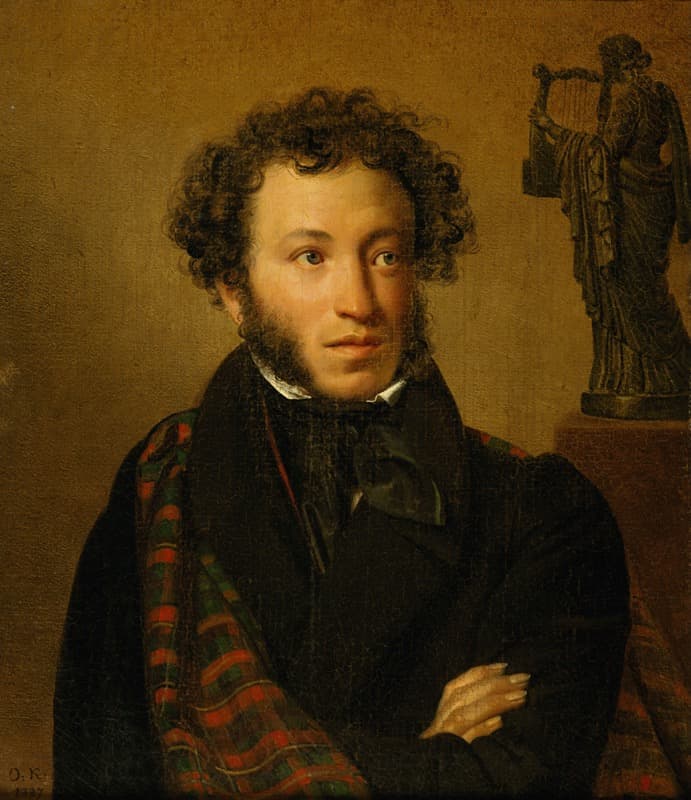
Eugene Onegin
Alexander Pushkin
Pushkin writes the same story of first love and its aftermath, but gives it a different ending and a Russian winter.
£1.99
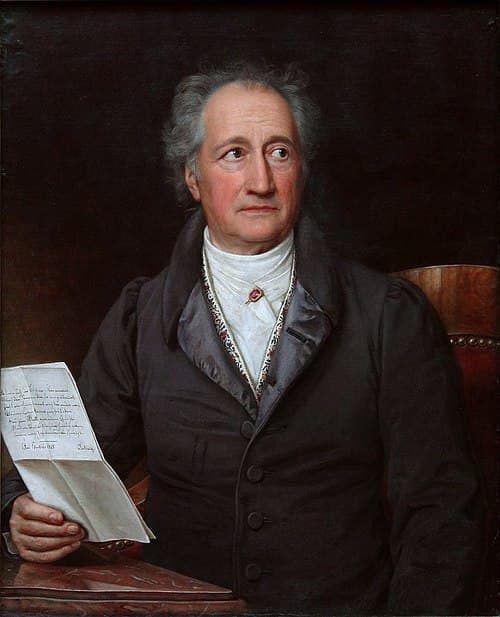
The Sorrows of Young Werther
Johann Wolfgang von Goethe
Goethe gives first love the same devastating intensity, but his young man takes it further than Turgenev allows.
£1.99
A Hero of Our Time
Mikhail Lermontov
Lermontov writes the same Russian aristocrat in love, but Pechorin is colder where Turgenev's narrator is bewildered.
£1.99

About the book
Zinaida is twenty-one and keeps a parlour of grown men circling her for sport, and into that court drifts the sixteen-year-old from the estate next door, ruined before he knows what has touched him. She is fond of him, which is worse than the teasing she hands the others, because fondness leaves him nothing to fight. Turgenev drew the novella from his own boyhood, and the wound is dressed with a son's exactness. Then a night by the garden wall shows Vladimir who Zinaida truly loves, and it is not a rival of his own age but his own father, elegant and remote, holding her in a register the boy cannot yet imagine. What the book understands is how love first arrives at full adult power, before anyone is ready to carry it. The whip-mark she lifts to her lips, tenderness chosen in the teeth of cruelty, is among the most precise images in nineteenth-century fiction.