
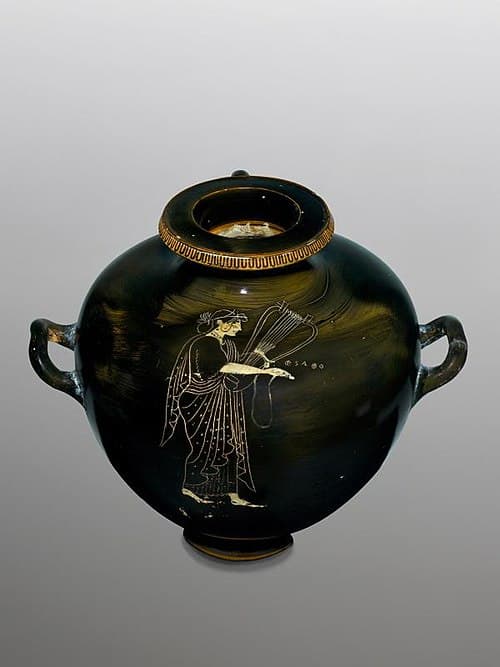
In the Library
Fragment 31
Sappho, 600 BCE
- Form
- Form Poem
- Difficulty
- Difficulty Accessible
- Reading time
- Reading time 5 minutes
- Chapters
- Chapters 1
- Length
- Length 0k words
£1.99
Read in the app, yours for good. Not yet by post.
The book unlocks on your account as soon as you buy it, so the 14-day right to cancel ends once it is unlocked.
Peer of gods he seemeth to me, the blissful Man who sits and gazes at thee before him,
What buying means
- Yours for good, on every iPhone you sign in to.
- Read in the app’s own reader, with the original beside the translation where there is one.
- Downloaded, so it reads with no signal.
- The same price as in the app. Folio already opens every book on this shelf; buying keeps this one after Folio ends. A refund takes it back.
If you like this, try
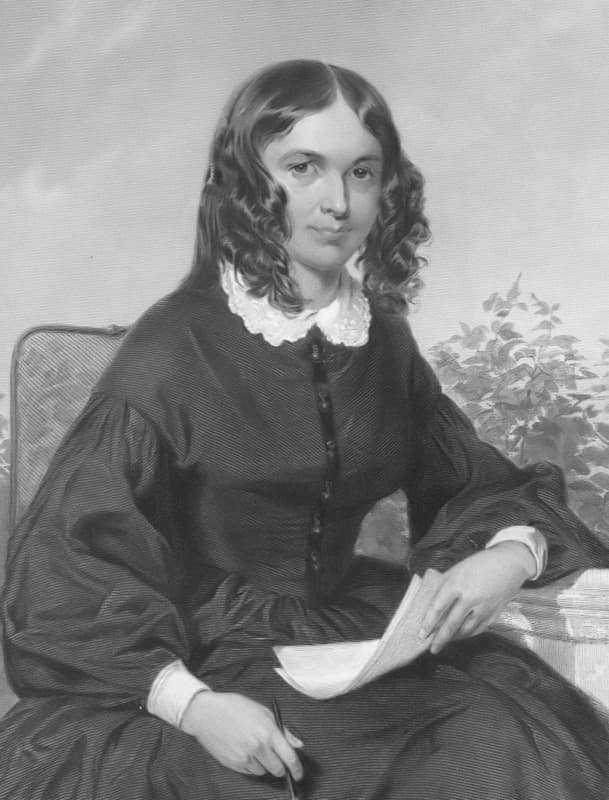
Sonnets from the Portuguese
Elizabeth Barrett Browning
Barrett Browning burns with the same intensity Sappho invented, but Victorian convention shapes what Sappho leaves raw.
£1.99
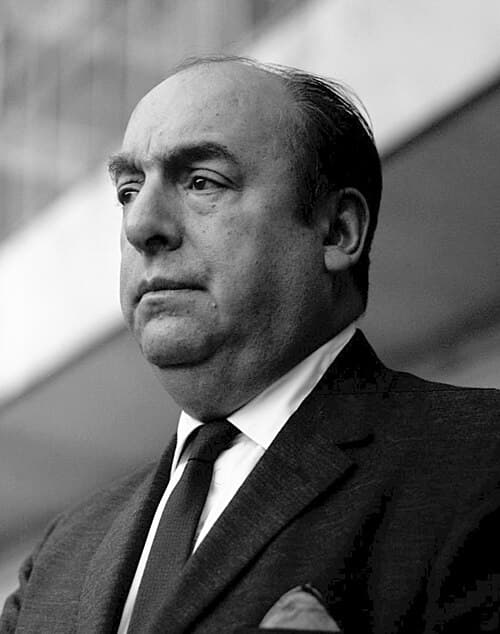
Twenty Love Poems and a Song of Despair
Pablo Neruda
Neruda writes the same body-on-fire desire, and the distance between Lesbos and Chile disappears.
£1.99
Love Songs of Ancient Egypt
Unknown
These lovers on Egyptian papyri are as sick with desire as Sappho, hearts racing and bodies failing at the sight of the beloved, a reminder that the symptoms are older than Greece.
£1.99
About the book
Equal to the gods, she calls the man who gets to sit across from the one she loves and simply listen to her talk. That is the whole wound: not his presence but his composure, the ordinary luck of a body that can hear that laughter and stay intact. Sappho's body cannot. The poem becomes a catalogue of her own collapse, taken down symptom by symptom as it happens, the tongue gone silent, a thin fire racing under the skin, the eyes blind, the ears roaring, sweat, trembling, a pallor greener than grass, and then the line that has outlived empires, that she is a little short of dying. No one had ever written desire this way before, from inside the falling body, and almost no one has done it better since. The poem breaks off mid-breath, the papyrus torn, the voice cut where the symptoms have already finished their work, and across twenty-six centuries you can still feel the room tilt.