
In the Library
Framley Parsonage
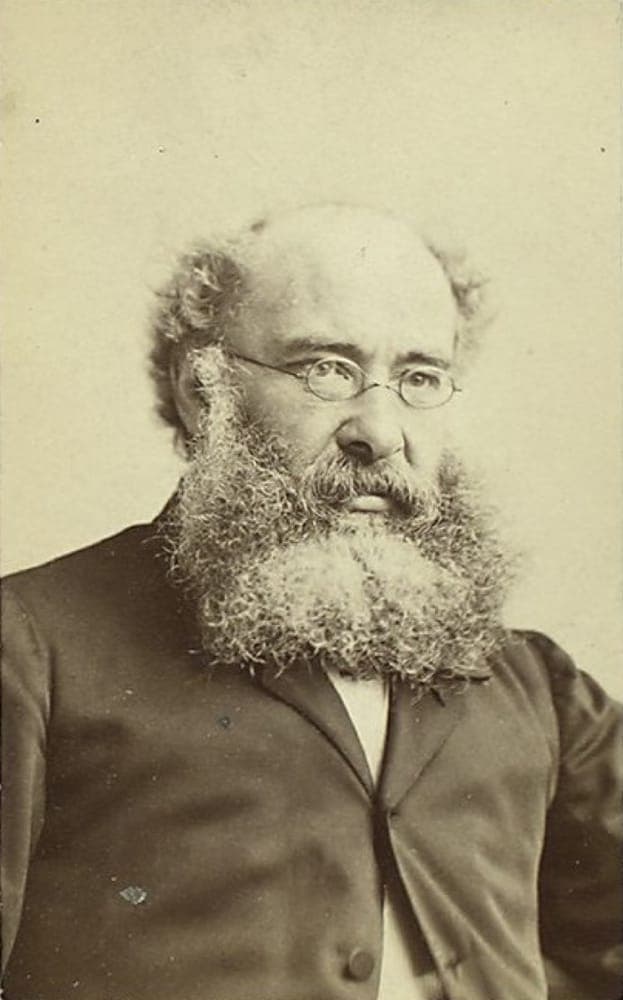
Anthony Trollope, 1861
- Form
- Form Novel
- Difficulty
- Difficulty Moderate
- Reading time
- Reading time 15 hours
- Chapters
- Chapters 48
- Length
- Length 208k words
£1.99
Read in the app, yours for good. Not yet by post.
The book unlocks on your account as soon as you buy it, so the 14-day right to cancel ends once it is unlocked.
There is no cholera, no yellow-fever, no small-pox more contagious than debt.
What buying means
- Yours for good, on every iPhone you sign in to.
- Read in the app’s own reader, with the original beside the translation where there is one.
- Downloaded, so it reads with no signal.
- The same price as in the app. Folio already opens every book on this shelf; buying keeps this one after Folio ends. A refund takes it back.
If you like this, try
Barchester Towers
Anthony Trollope
Barchester Towers does the same thing three years earlier, but the comedy is broader and the war is over who runs the diocese rather than who signed what.
£1.99
Middlemarch
George Eliot
Middlemarch ruins a provincial doctor by debt in much the same way, but Eliot is graver about it and far less willing to forgive her town.
£1.99
Pride and Prejudice
Jane Austen
Lucy Robarts refuses the young lord until his mother comes to ask her herself, and Austen's Elizabeth faces down Lady Catherine in the same contest of a proud matriarch and a clever girl.
£1.99
About the book
Two men are standing in the yard of a quiet country parsonage, taking an inventory of everything the vicar owns, and the cook has sent word that if they are given their meals and some beer they will be quite civil. He had signed a friend's bill for four hundred pounds, once, in a warm room after a good dinner, because refusing would have looked ungracious. Anthony Trollope understood exactly how ruin arrives: not as catastrophe, but as a small politeness you were too flattered to decline, renewed and renewed until it walks up your own gravel. Beside that slow disgrace stands the vicar's sister, whom the great lady of the parish calls insignificant to her own son's face, and who refuses that son with a pride so absolute it is almost a cruelty to herself. No English novelist has ever been kinder to weak people, or less willing to spare them the bill.