
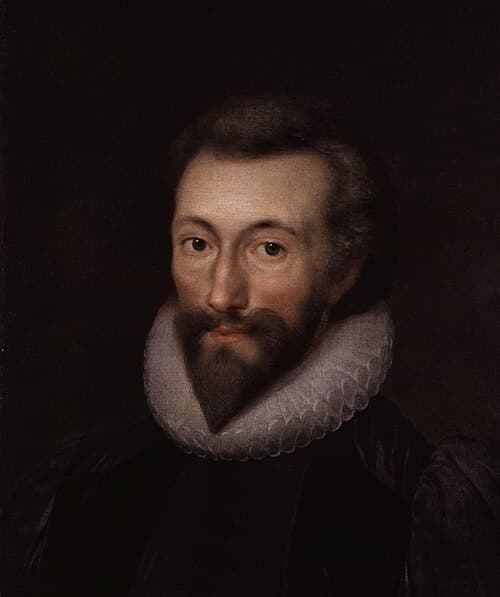
In the Library
Holy Sonnets
John Donne, 1633
- Form
- Form Collection
- Difficulty
- Difficulty Moderate
- Reading time
- Reading time 10 minutes
- Chapters
- Chapters 19
- Length
- Length 2k words
£1.99
Read in the app, yours for good. Not yet by post.
The book unlocks on your account as soon as you buy it, so the 14-day right to cancel ends once it is unlocked.
Death be not proud, though some have called thee Mighty and dreadfull, for, thou art not soe
What buying means
- Yours for good, on every iPhone you sign in to.
- Read in the app’s own reader, with the original beside the translation where there is one.
- Downloaded, so it reads with no signal.
- The same price as in the app. Folio already opens every book on this shelf; buying keeps this one after Folio ends. A refund takes it back.
If you like this, try
Paradise Lost
John Milton
Milton builds the theology Donne agonises over, and the scale shifts from a sickbed to the cosmos.
£1.99
The Sickness Unto Death
Søren Kierkegaard (Anti-Climacus)
Kierkegaard diagnoses the same spiritual despair Donne performs: death, thou shalt die, but first the self must face itself.
£1.99
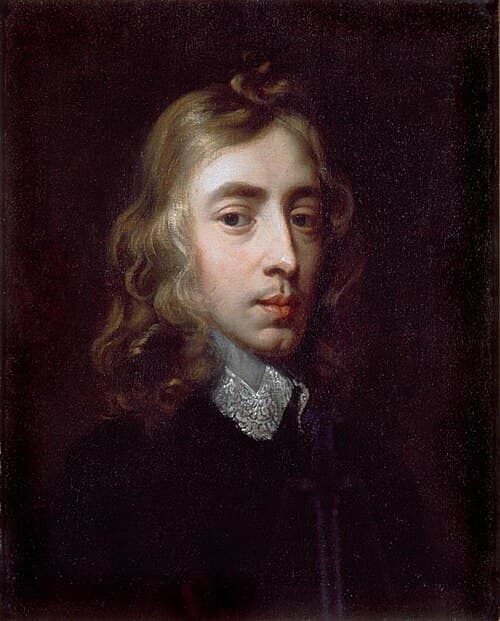

About the book
'Death be not proud,' the speaker tells the grave to its face, and for fourteen forensic lines he talks the one thing every human fears down to a slave of fate and chance, a short sleep we wake from. That nerve runs through all of John Donne's Holy Sonnets: a man who will not pray quietly, who argues with God, accuses Him, and begs to be overpowered because he is too proud to yield on his own. 'Batter my heart, three-personed God,' one sonnet demands, asking not for gentle grace but for force enough to break a locked door. Donne takes the whole feverish grammar of the love poem, its urgency, its bargaining, its ache to dissolve into the beloved, and turns it on the divine. These are devotions written by someone losing the argument and unable to stop. Faith here is not comfort but a siege, and the most honest prayers are the ones that sound like surrender refused.