
In the Library
I Wandered Lonely as a Cloud
William Wordsworth, 1807
- Form
- Form Poem
- Difficulty
- Difficulty Accessible
- Reading time
- Reading time 5 minutes
- Chapters
- Chapters 1
- Length
- Length 0k words
£1.99
Read in the app, yours for good. Not yet by post.
The book unlocks on your account as soon as you buy it, so the 14-day right to cancel ends once it is unlocked.
I wandered lonely as a cloud that floats on high o'er vales and hills.
What buying means
- Yours for good, on every iPhone you sign in to.
- Read in the app’s own reader, with the original beside the translation where there is one.
- Downloaded, so it reads with no signal.
- The same price as in the app. Folio already opens every book on this shelf; buying keeps this one after Folio ends. A refund takes it back.
If you like this, try
The Prelude
William Wordsworth
Wordsworth's autobiography-in-verse: the same daffodils, the same lakeland, but the whole life instead of one afternoon.
£1.99
Walden
Henry David Thoreau
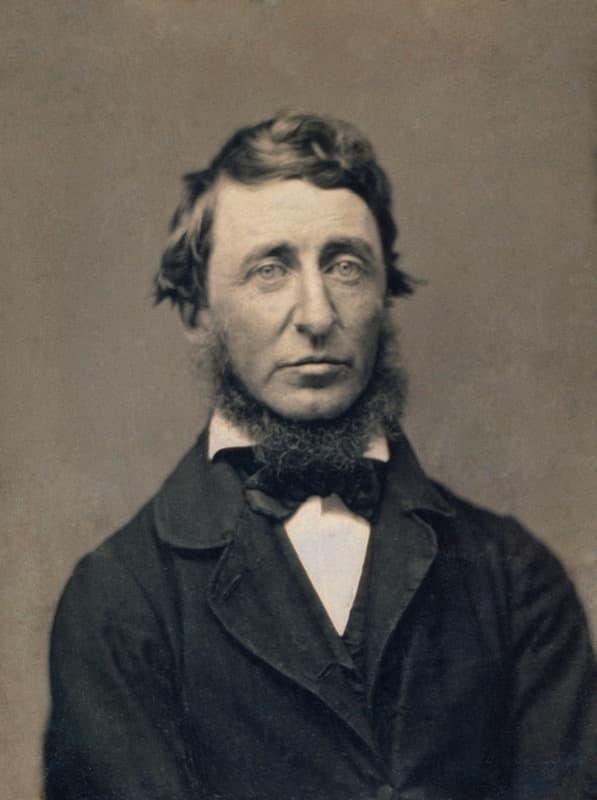
Thoreau practises the same solitary attention to nature, but stays for two years where Wordsworth walks for an hour.
£1.99
Song of Myself
Walt Whitman
Whitman finds the same rapture in nature and memory, but sprawls it across a whole continent instead of a single field of daffodils.
£1.99

About the book
Ten thousand daffodils crowd the margin of a lake, tossing their heads in a wind off the water, and a wanderer who came upon them by chance stands and watches a whole field dance. William Wordsworth took the scene from a walk with his sister Dorothy in the Lake District; her journal recorded the same dancing daffodils, and he made of it something stranger than a nature poem. The flowers are only the occasion. What the poem is really after is what happens later, alone, when the mind is empty or low and the daffodils come flashing back unbidden upon what he calls the inward eye, and the heart that thought itself solitary fills and dances with them. This is the quiet, radical claim under the famous opening line: that beauty truly attended to is never spent, only banked, waiting to be spent again. Joy, he insists, can be saved.