
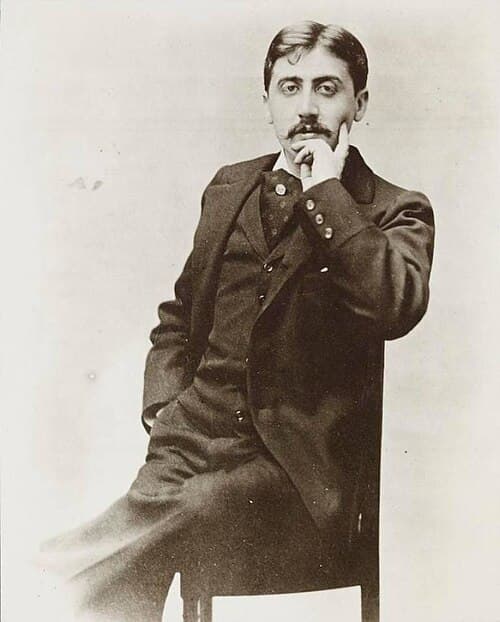
In the Library
In Search of Lost Time
Marcel Proust, 1913
- Form
- Form Novel
- Difficulty
- Difficulty Demanding
- Reading time
- Reading time 14 hours
- Translated by
- Translated by C.K. Scott Moncrieff (1922-1930)
- Original
- Original fr
- Chapters
- Chapters 4
- Length
- Length 195k words
£1.99
Read in the app, yours for good. Not yet by post.
The book unlocks on your account as soon as you buy it, so the 14-day right to cancel ends once it is unlocked.
No sooner had the warm liquid, and the crumbs with it, touched my palate than a shudder ran through my whole body.
What buying means
- Yours for good, on every iPhone you sign in to.
- Read in the app’s own reader, with the original beside the translation where there is one.
- Downloaded, so it reads with no signal.
- The same price as in the app. Folio already opens every book on this shelf; buying keeps this one after Folio ends. A refund takes it back.
The reading guide, in the app
How to Read In Search of Lost Time
The sentences are long because Proust is trying to hold in one breath the thing that memory holds all at once, and once you stop fighting the length and start moving with it, the novel becomes the most accurate account of consciousness ever put on a page.
The reputation for length and difficulty is accurate in the way that saying a mountain is tall is accurate: true, but not the most useful thing to know before you begin climbing. What the reputation leaves out is that In Search of Lost Time is funny, wicked about social pretension, frequently moving, and built around an experience every reader has had and never found described before, the sudden, involuntary return of a past moment arriving with all its original sensory force. The madeleine episode, which happens in the first volume, is the most famous demonstration of this, but the novel is full of smaller versions of it, and part of what Proust is doing across three thousand pages is building a world detailed enough that you feel the significance of its return.
If you like this, try
Ulysses
James Joyce
Joyce compresses what Proust unfolds: both try to capture consciousness, one in a day, one in a lifetime.
£1.99
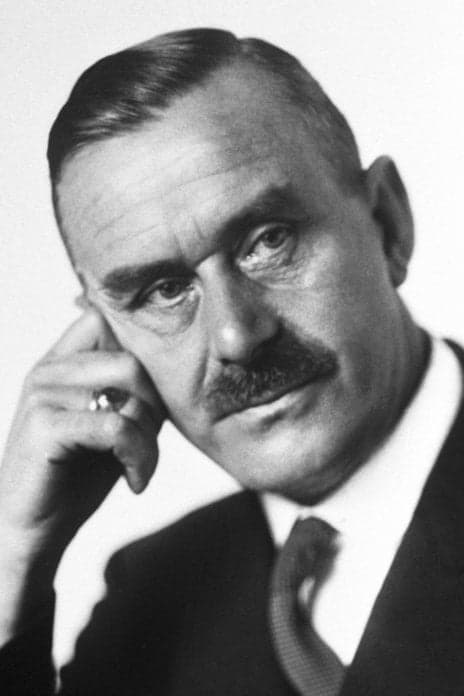
The Magic Mountain
Thomas Mann
Mann builds the same slow accumulation of time in a Swiss sanatorium, where seven years feel like seven thousand pages.
£1.99
To the Lighthouse
Virginia Woolf
Woolf distills Proust's project into two hundred pages around a dinner table and a window.
£1.99


About the book
Dip a small shell-shaped cake into lime-blossom tea, raise it to your lips, and a forgotten childhood Sunday rises whole from nowhere, the entire town and everyone who lived in it, summoned by a single taste. That involuntary jolt is the engine of Proust's enormous book, the discovery that the past is not lost but folded inside sensation, waiting for the accidental flavour or sound that no act of will can recover. Across thousands of pages the narrator believes himself a failure, too weak to write, too jealous to love, too dazzled by the salons of the Faubourg Saint-Germain to see the people in them clearly, while a single evening in a drawing room swells across a hundred sentences and the prose keeps circling and deepening until you forget you are reading and simply remember. Proust composed the last of it in a cork-lined room as his lungs gave way, and reaches the only ending vast enough to hold everything behind it: the resolve, at last, to begin.