
In the Library
Lady Chatterley's Lover
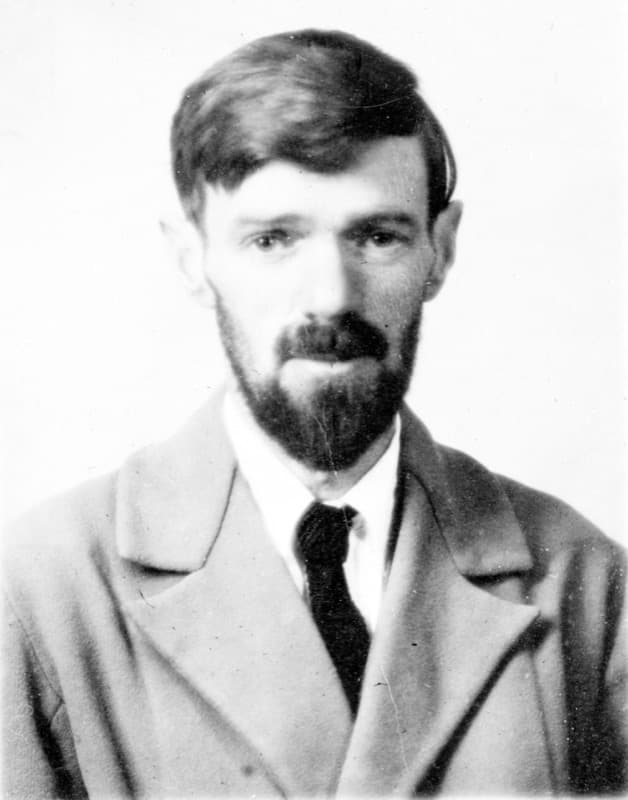
D.H. Lawrence, 1928
- Form
- Form Novel
- Difficulty
- Difficulty Moderate
- Reading time
- Reading time 8.5 hours
- Chapters
- Chapters 19
- Length
- Length 118k words
£1.99
Read in the app, yours for good. Not yet by post.
The book unlocks on your account as soon as you buy it, so the 14-day right to cancel ends once it is unlocked.
Ours is essentially a tragic age, so we refuse to take it tragically.
What buying means
- Yours for good, on every iPhone you sign in to.
- Read in the app’s own reader, with the original beside the translation where there is one.
- Downloaded, so it reads with no signal.
- The same price as in the app. Folio already opens every book on this shelf; buying keeps this one after Folio ends. A refund takes it back.
If you like this, try
Madame Bovary
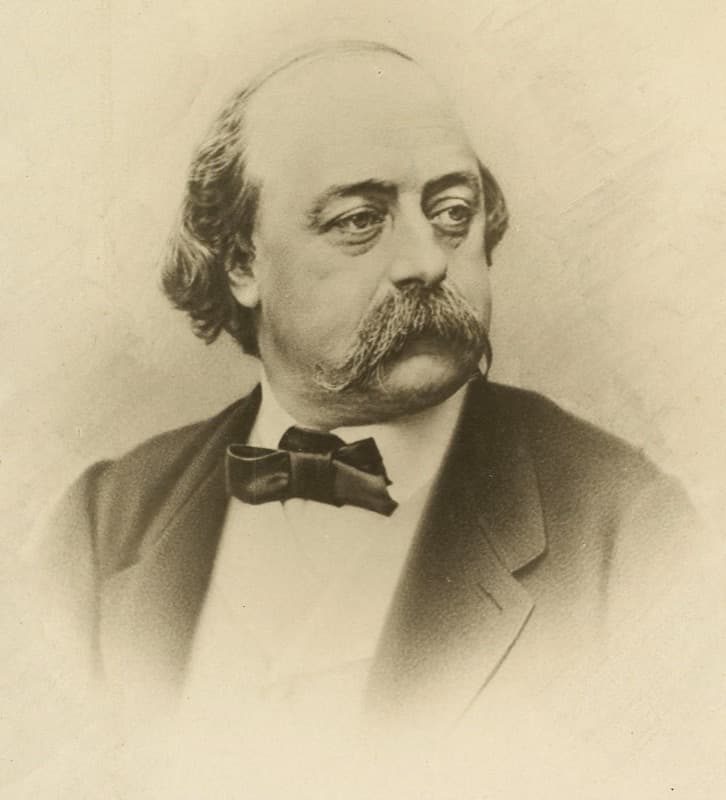
Gustave Flaubert
Emma Bovary and Connie Chatterley both discover that marriage without desire is its own kind of prison, though Lawrence lets his heroine walk free.
£1.99
The Awakening
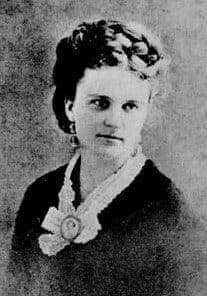
Kate Chopin
Edna Pontellier wakes to the same hunger Connie does, a body and a self that marriage was never built to hold.
£1.99
Women in Love
D.H. Lawrence
Lawrence's earlier novel argues the same case for touch and tenderness against a mechanised world, testing it on two more couples instead of one.
£1.99
About the book
A young woman in tweeds walks down through a beech wood on a Derbyshire estate and finds the gamekeeper washing himself behind his cottage, naked to the waist in the cold spring afternoon. D. H. Lawrence printed this last novel privately in Florence in 1928, knowing no English publisher would touch it; the unexpurgated text would not be legally sold in Britain until Penguin won the 1960 obscenity trial. Constance Chatterley is married to Clifford, paralysed below the waist on a Flanders battlefield and now master of Wragby and its collieries. With Mellors she finds a vocabulary the upper classes have forgotten: tenderness, rage, and the Anglo-Saxon names for the body. Industrial England is the antagonist; the wood is the last green page.