

In the Library
Madame Bovary
Gustave Flaubert, 1857
- Form
- Form Novel
- Difficulty
- Difficulty Moderate
- Reading time
- Reading time 8.5 hours
- Translated by
- Translated by Eleanor Marx-Aveling
- Original
- Original fr
- Chapters
- Chapters 35
- Length
- Length 115k words
£1.99
Read in the app, yours for good. Not yet by post.
The book unlocks on your account as soon as you buy it, so the 14-day right to cancel ends once it is unlocked.
Human speech is like a cracked tin kettle, on which we hammer out tunes to make bears dance when we long to move the stars.
What buying means
- Yours for good, on every iPhone you sign in to.
- Read in the app’s own reader, with the original beside the translation where there is one.
- Downloaded, so it reads with no signal.
- The same price as in the app. Folio already opens every book on this shelf; buying keeps this one after Folio ends. A refund takes it back.
If you like this, try
Anna Karenina
Leo Tolstoy
Tolstoy gives Emma's predicament to a woman with more depth, and the tragedy grows proportionally.
£1.99
The Awakening
Kate Chopin
Edna Pontellier chases the same forbidden freedom Emma Bovary wants, but Chopin sets her longing against the American South's coast instead of provincial Normandy.
£1.99
The Red and the Black
Stendhal
Julien Sorel schemes his way up through provincial French society with the same hunger for a bigger life that undoes Emma, but ambition, not romance, drives him.
£1.99


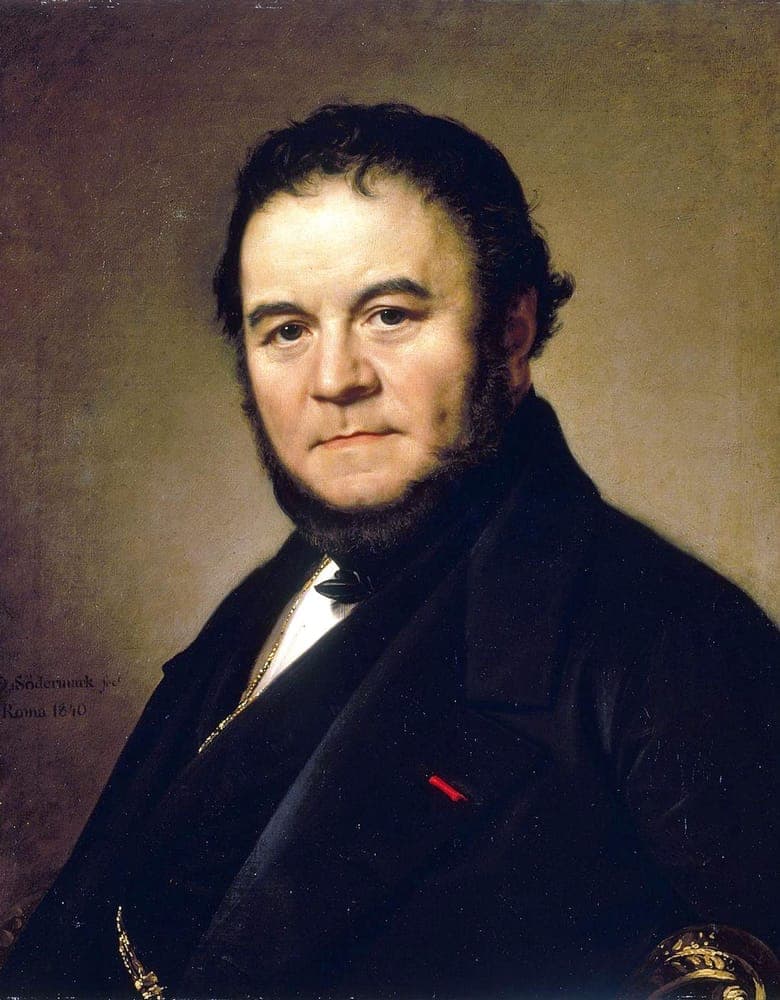
About the book
At the county agricultural fair, a man leans close to Emma Bovary and murmurs about two souls drawn together by fate, while a voice from the platform below awards medals for manure and the fattest sow. Flaubert runs the two together in a single passage, the seducer's borrowed romance and the bellowing over prize livestock, and that cruel counterpoint is the whole book in miniature. Emma wants a life as large as the convent novels that ruined her, and she has been handed provincial Normandy instead: a kind, dull husband who smells of the surgery, lovers who desire her without ever once seeing her. What changed fiction forever is how close Flaubert stands to her, slipping inside her longing so completely that you cannot tell scorn from pity, cannot keep your own hunger for something finer apart from hers. The French took her name for the sickness of wanting to be someone you are not, and the novel earns it by making that wanting feel, from inside a life this small, like the only sane thing left.