
In the Library
Lost Illusions
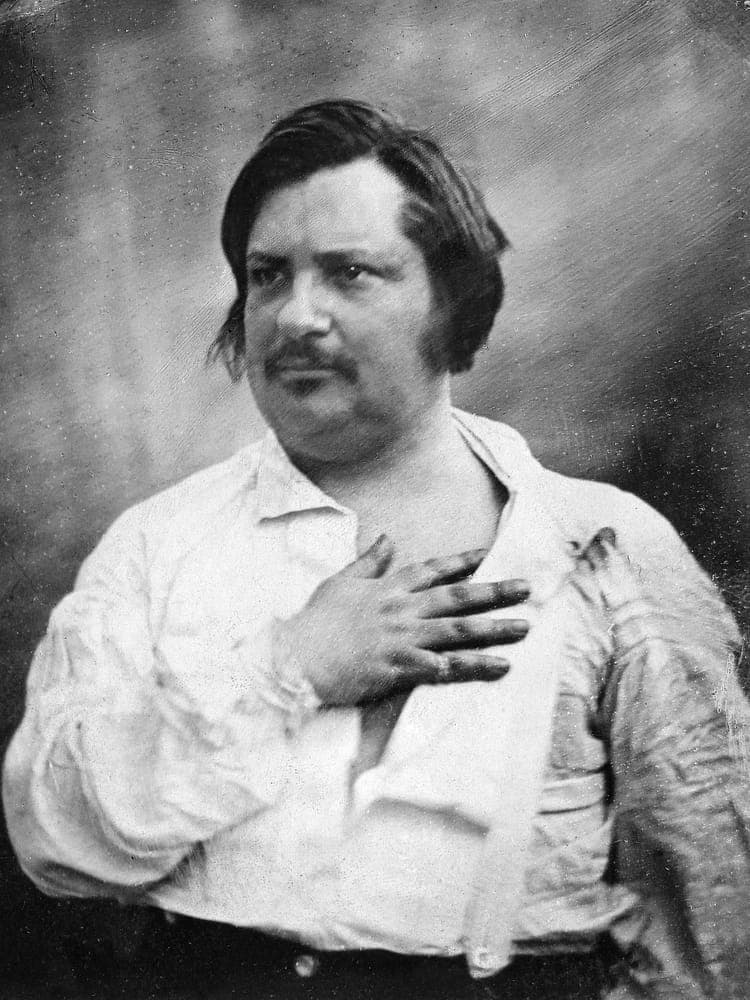
Honoré de Balzac, 1843
- Form
- Form Novel
- Difficulty
- Difficulty Demanding
- Reading time
- Reading time 18 hours
- Translated by
- Translated by Ellen Marriage
- Chapters
- Chapters 4
- Length
- Length 246k words
£1.99
Read in the app, yours for good. Not yet by post.
The book unlocks on your account as soon as you buy it, so the 14-day right to cancel ends once it is unlocked.
There is a tax upon everything—everything has its price, and anything can be made to order—even success.
What buying means
- Yours for good, on every iPhone you sign in to.
- Read in the app’s own reader, with the original beside the translation where there is one.
- Downloaded, so it reads with no signal.
- The same price as in the app. Folio already opens every book on this shelf; buying keeps this one after Folio ends. A refund takes it back.
If you like this, try
Father Goriot
Honoré de Balzac
Father Goriot follows the same descent from provincial hope into Parisian corruption, but its damage lands on a devoted father rather than a self-destructive poet.
£1.99
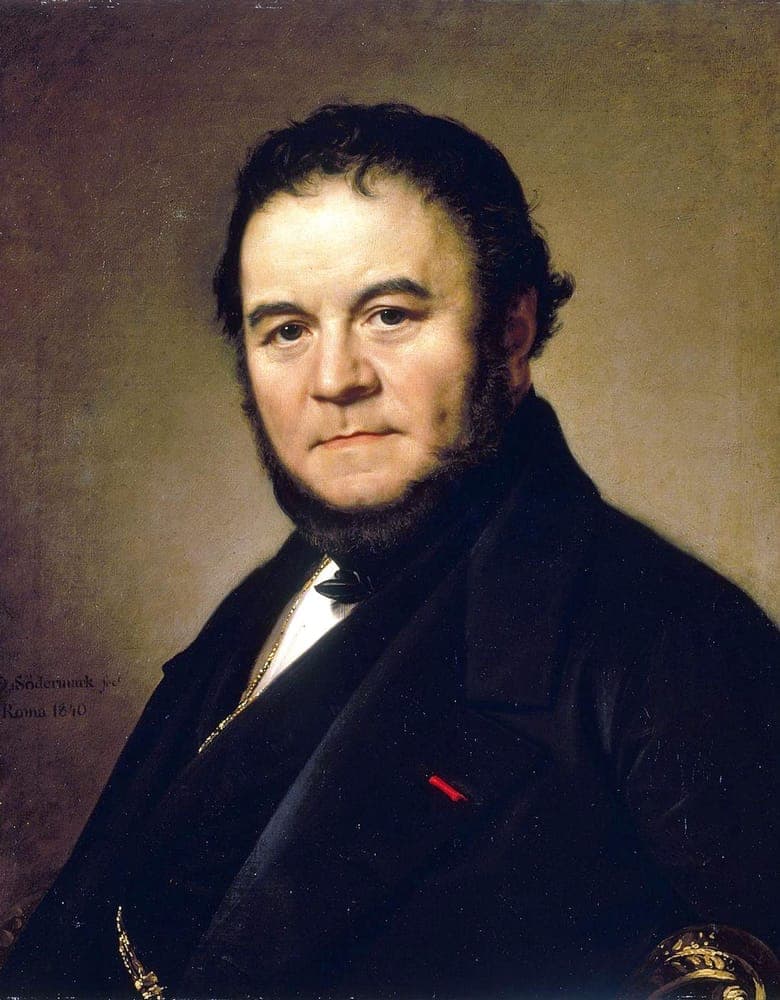
The Red and the Black
Stendhal
The Red and the Black follows the same ambitious provincial crushed by Parisian society, but trades the newspaper office for the seminary and a stolen love affair.
£1.99
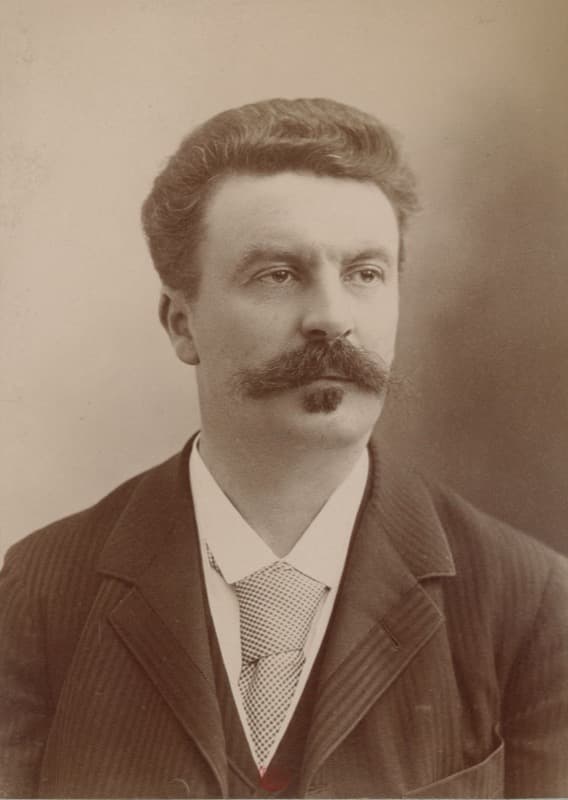
Bel Ami
Guy de Maupassant
Maupassant's Georges Duroy climbs Paris through the same newspapers Lucien drowns in, and unlike Lucien he has no scruples left to lose.
£1.99
About the book
A young provincial poet arrives in Paris carrying a sheaf of sonnets and a confidence that will not survive the first season. Honoré de Balzac published this novel between 1837 and 1843 as the central pillar of the Comédie humaine, tracking Lucien de Rubempré from Angoulême journalism to literary Paris and back to ruin, while his brother-in-law David Séchard ruins himself more slowly over a paper-mill invention. Balzac knew the territory: he had been a hack, a printer, a bankrupt, before he was a novelist. The book diagrams how reputations are made and unmade, how reviews are bought, how virtue is a luxury the poor cannot afford. The illusions of the title are not Lucien's alone; they belong to the century.