
In the Library
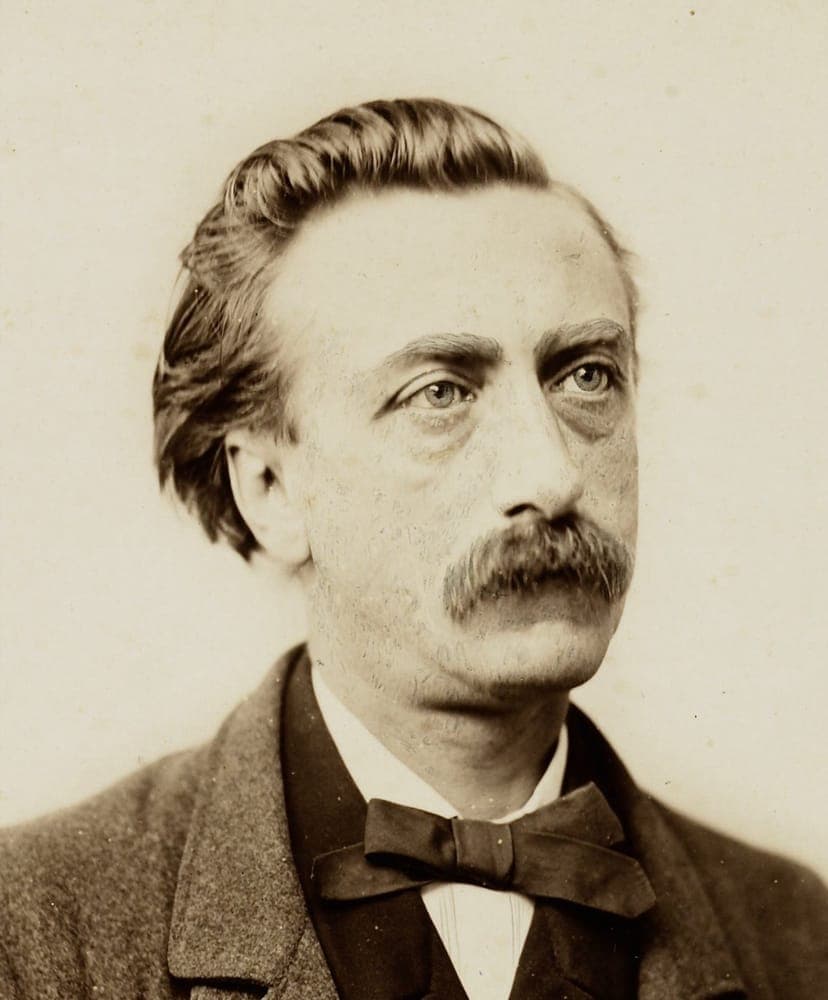
Max Havelaar
Multatuli, 1860
- Form
- Form Novel
- Difficulty
- Difficulty Moderate
- Reading time
- Reading time 7 hours
- Translated by
- Translated by Alphonse Nahuïs (1868)
- Chapters
- Chapters 20
- Length
- Length 97k words
£1.99
Read in the app, yours for good. Not yet by post.
The book unlocks on your account as soon as you buy it, so the 14-day right to cancel ends once it is unlocked.
I am a coffee-broker, and live at No. 37 Laurier Canal, Amsterdam.
What buying means
- Yours for good, on every iPhone you sign in to.
- Read in the app’s own reader, with the original beside the translation where there is one.
- Downloaded, so it reads with no signal.
- The same price as in the app. Folio already opens every book on this shelf; buying keeps this one after Folio ends. A refund takes it back.
If you like this, try
Heart of Darkness
Joseph Conrad
Heart of Darkness does the same thing, but trades documentary anger for psychological descent, another insider's report on what empire does to the people who run it.
£1.99
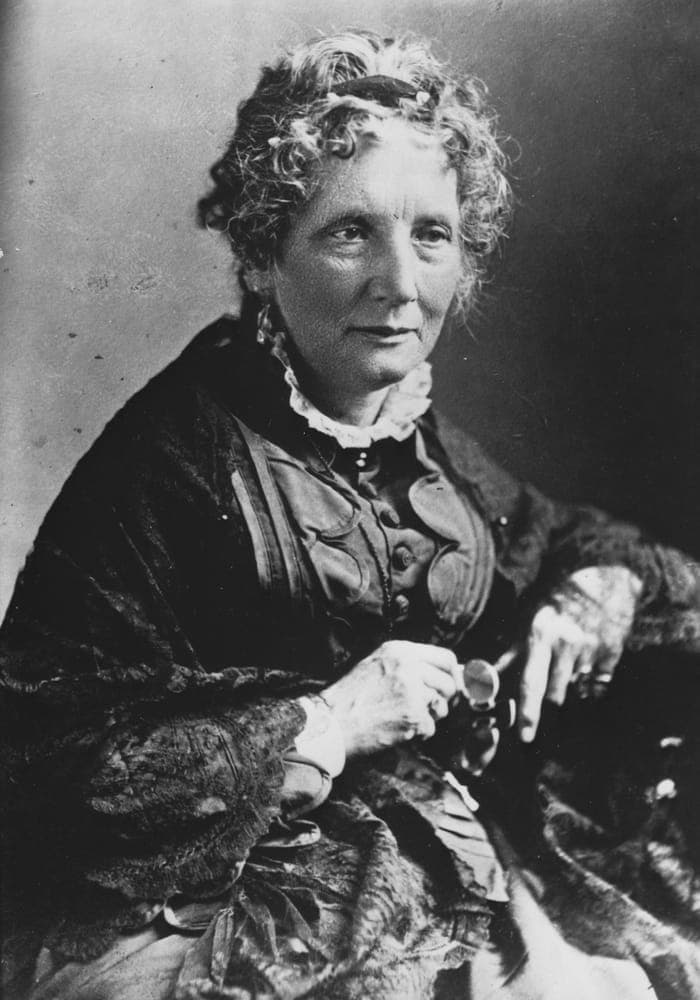
Uncle Tom's Cabin
Harriet Beecher Stowe
Uncle Tom's Cabin does the same thing, but aims its outrage at slavery instead of empire, another novel written to move real readers toward real reform.
£1.99

About the book
A stack of yellowing pages lands on the desk of Batavus Droogstoppel, an Amsterdam coffee broker with no patience for stories, who spends the whole book complaining about the one he has been handed. Buried inside it is the testimony of Max Havelaar, a Dutch colonial officer in Java who documented exactly what the coffee, sugar, and indigo filling Dutch warehouses cost the people forced to grow them, and tried to stop the theft from inside the government that profited by it. Multatuli's most devastating chapter is the one he buries deepest: Saïdjah, whose family's buffalo is seized by tax collectors, who leaves for Batavia to earn the money for another, and returns three years later to find Adinda's village destroyed and nothing of her left but a name among the dead. By the final pages Multatuli has abandoned his narrators altogether, stepping forward in his own voice to address the King of the Netherlands directly and demand that he act. Few books have ever meant, quite this literally, to bring down an empire.