
In the Library
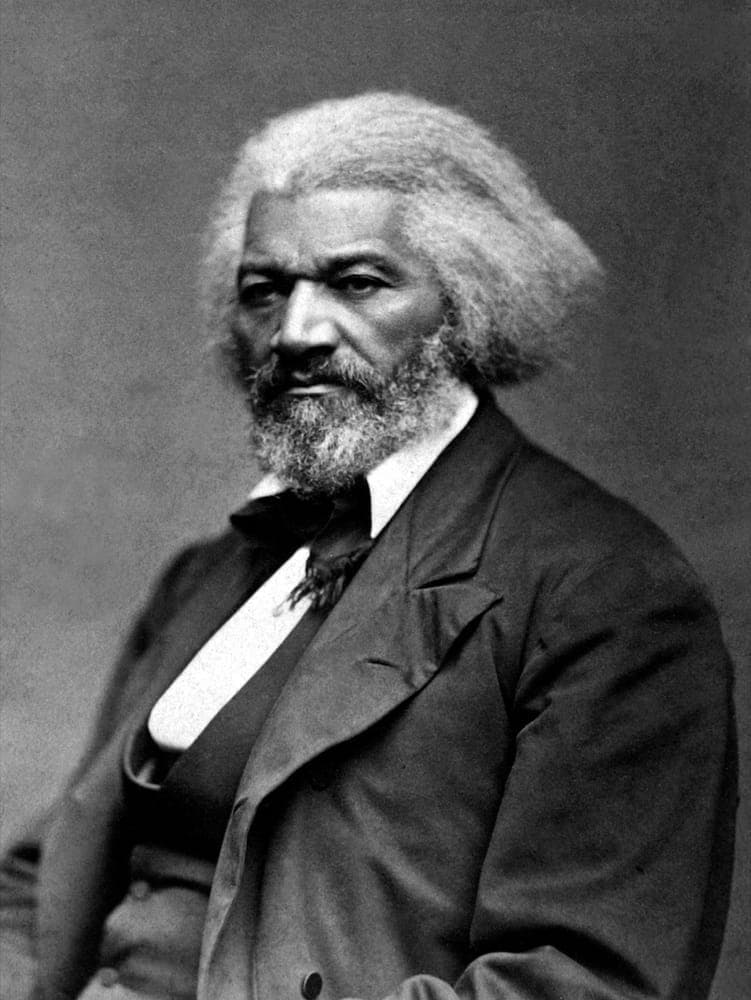
Narrative of the Life of Frederick Douglass
Frederick Douglass, 1845
- Form
- Form Essay
- Difficulty
- Difficulty Accessible
- Reading time
- Reading time 3 hours
- Chapters
- Chapters 14
- Length
- Length 40k words
£1.99
Read in the app, yours for good. Not yet by post.
The book unlocks on your account as soon as you buy it, so the 14-day right to cancel ends once it is unlocked.
You have seen how a man was made a slave; you shall see how a slave was made a man.
What buying means
- Yours for good, on every iPhone you sign in to.
- Read in the app’s own reader, with the original beside the translation where there is one.
- Downloaded, so it reads with no signal.
- The same price as in the app. Folio already opens every book on this shelf; buying keeps this one after Folio ends. A refund takes it back.
If you like this, try
About the book
He did not know when he was born. Masters withheld ages the way they withheld everything else, and Frederick Douglass had to reckon his own from a remark he overheard his owner make. What he did know he set down with the names attached: the county, the farms, the men who held the whip, all printed while he was still legally property and could be seized on the strength of the book itself. The naming was the point, since readers were already insisting no former slave could have written such a book. Douglass writes plainly, almost coolly, about an aunt tied by the wrists to a kitchen hook and whipped until the blood came dripping to the floor, then turns and shows a slaveholder forbidding a child to read, and the child understanding in that instant exactly what reading must be worth. The second half repays the first: a Monday before daylight, a stable, two hours of it, and a boy who is never beaten again. Few books have done so much with so little raised voice.