
In the Library
Up from Slavery
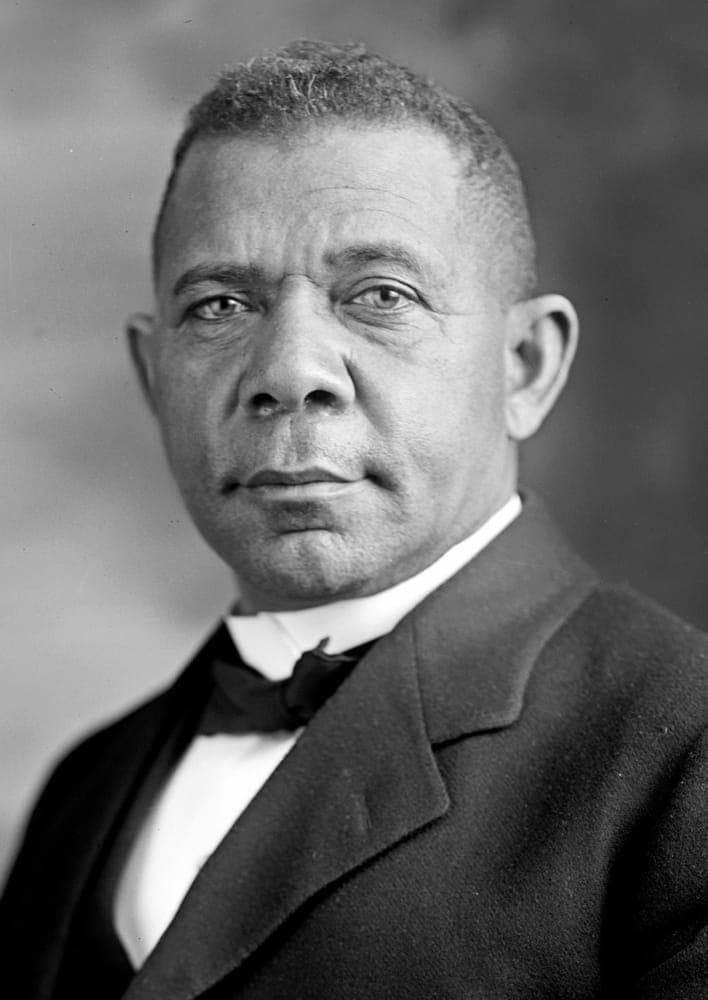
Booker T. Washington, 1901
- Form
- Form Essay
- Difficulty
- Difficulty Accessible
- Reading time
- Reading time 5.5 hours
- Chapters
- Chapters 17
- Length
- Length 73k words
£1.99
Read in the app, yours for good. Not yet by post.
The book unlocks on your account as soon as you buy it, so the 14-day right to cancel ends once it is unlocked.
Cast down your bucket where you are.
What buying means
- Yours for good, on every iPhone you sign in to.
- Read in the app’s own reader, with the original beside the translation where there is one.
- Downloaded, so it reads with no signal.
- The same price as in the app. Folio already opens every book on this shelf; buying keeps this one after Folio ends. A refund takes it back.
If you like this, try
Of Our Spiritual Strivings
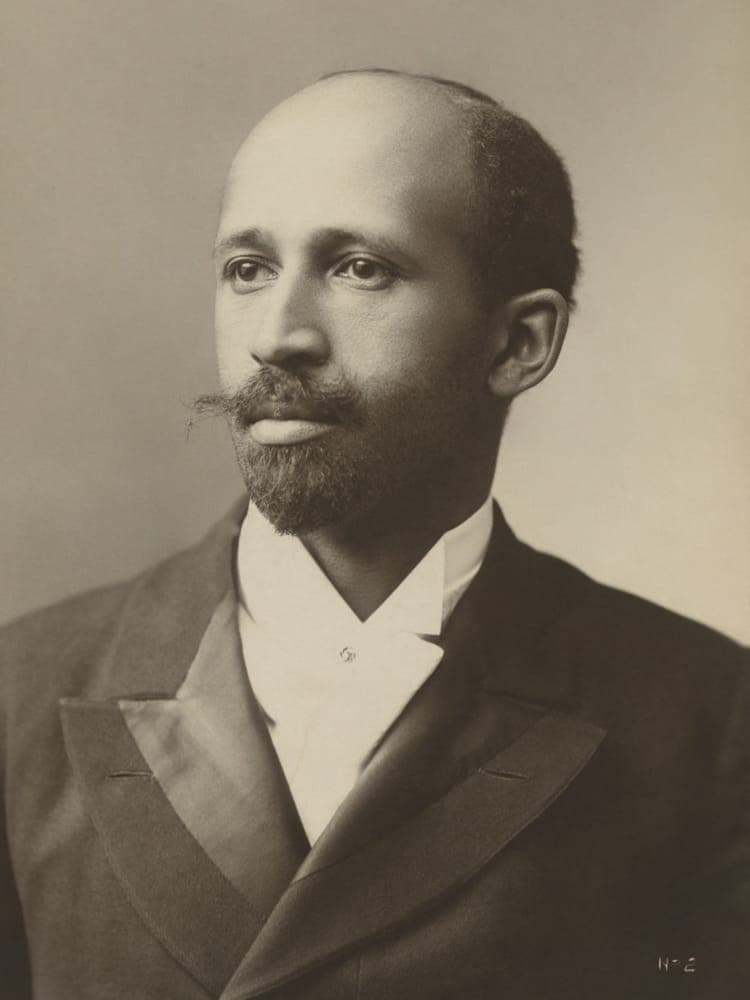
W.E.B. Du Bois
Du Bois opened The Souls of Black Folk with this essay on double consciousness, and the same book answered Washington's patient accommodation with a sharper demand.
£1.99
The Autobiography of Benjamin Franklin
Benjamin Franklin
Franklin traces the same self-made rise from obscurity to national stature, but writes it as a private lesson to his son rather than a public case for a whole race.
£1.99

About the book
The entrance examination was a broom. A boy who had walked and begged rides five hundred miles to reach Hampton was told to sweep a recitation room; he swept it three times, dusted it four, and was admitted on the evidence of the corners. Booker T. Washington was born on a dirt floor in Virginia, property before he was a person, and he tells his life as a ledger of small hard-won things: the surname he invented on the spot the first morning a teacher asked for his full one, arithmetic stolen off the figures painted on salt barrels, three brick kilns that collapsed at Tuskegee before he pawned his watch to fire a fourth. The calm of the prose is the most extraordinary thing in it, and the most disquieting. His famous counsel of patience, separate as the fingers yet one as the hand, was a bargain struck with a country busy writing segregation into law, and the whole book is the sound of a man deciding what it costs to be heard.