
In the Library
Oblomov
Ivan Goncharov, 1859
- Form
- Form Novel
- Difficulty
- Difficulty Moderate
- Reading time
- Reading time 4.5 hours
- Translated by
- Translated by C.J. Hogarth (1915)
- Original
- Original ru
- Chapters
- Chapters 18
- Length
- Length 59k words
£1.99
Read in the app, yours for good. Not yet by post.
The book unlocks on your account as soon as you buy it, so the 14-day right to cancel ends once it is unlocked.
Mechanically and at random he traced some letters in the dust with his finger. There resulted the word Oblomovstchina.
What buying means
- Yours for good, on every iPhone you sign in to.
- Read in the app’s own reader, with the original beside the translation where there is one.
- Downloaded, so it reads with no signal.
- The same price as in the app. Folio already opens every book on this shelf; buying keeps this one after Folio ends. A refund takes it back.
If you like this, try
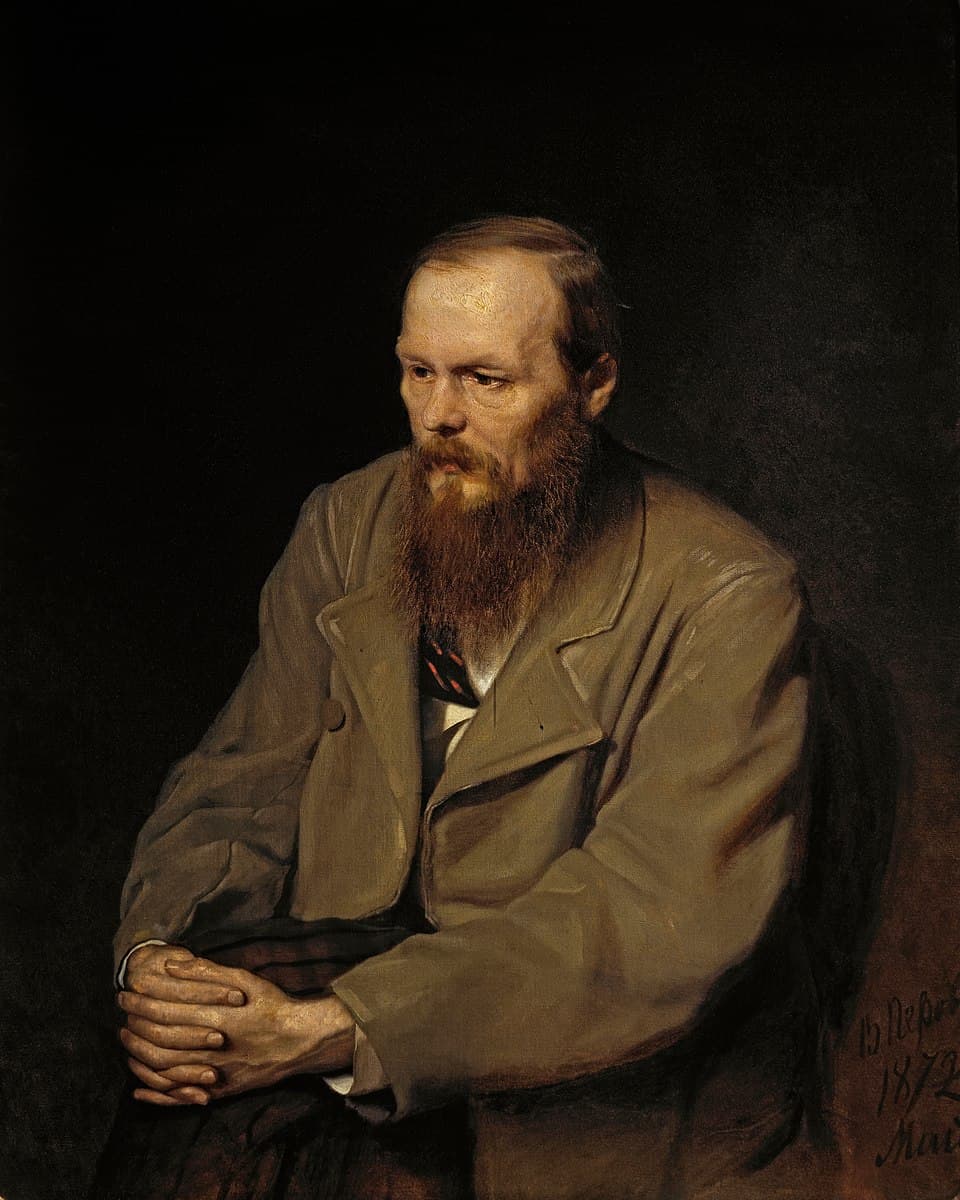
Notes from the Underground
Fyodor Dostoevsky
Dostoevsky's narrator rages from his sofa; Oblomov simply stays on his, and the inertia is more terrifying than the fury.
£1.99
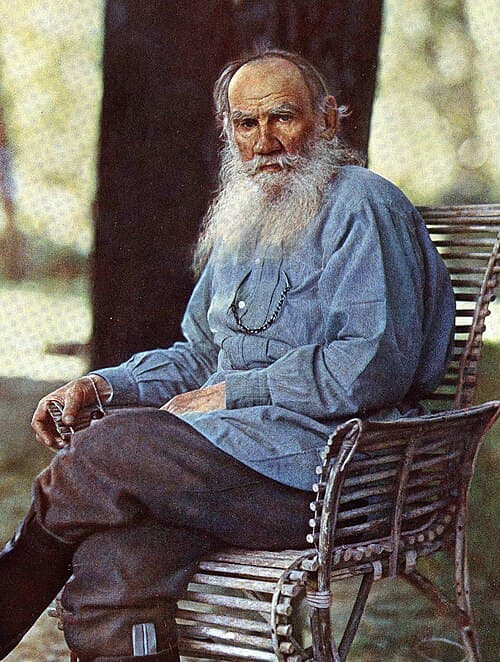
The Death of Ivan Ilyich
Leo Tolstoy
Tolstoy writes the same wasted life, but compresses it to the moment when the waste becomes visible.
£1.99
About the book
The dressing gown is Persian, vast, worn soft from years of wear; the divan has long since taken the shape of its owner. For something close to a hundred and fifty pages, Ilya Ilyich Oblomov, a Russian gentleman of thirty-two with a steady income and an estate going quietly to ruin, tries to get out of bed and cannot. Visitors come and go, each busier and hollower than the last, while Goncharov watches his hero fail to rise with a tenderness that slowly becomes the argument: this stillness is worth our whole attention. Oblomov even gave a word to the language, Oblomovism, for the sweet paralysis of a man who would rather dream his life than live it. Yet the book loves him far too much to leave it a diagnosis. When Olga nearly wakes him, and he nearly lives, you lean toward the page; when he sinks at last into the warm, fed, undemanding calm of a widow's house, the grief is real, because he understood exactly what he was trading away, and chose the divan anyway.