
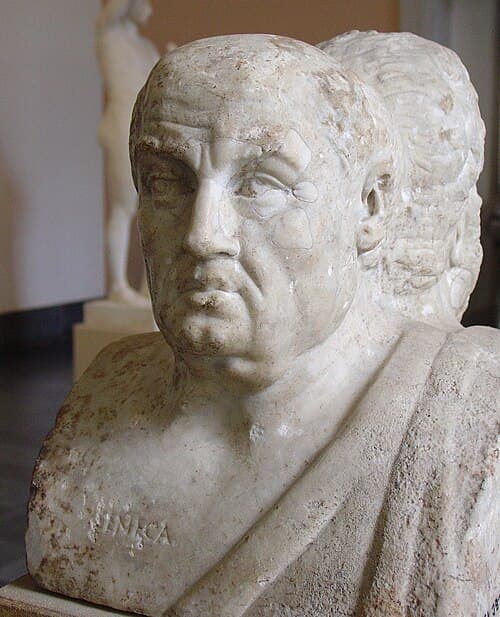
In the Library
On the Shortness of Life
Seneca, 49 CE
- Form
- Form Philosophy
- Difficulty
- Difficulty Moderate
- Reading time
- Reading time 45 minutes
- Translated by
- Translated by Aubrey Stewart (1900)
- Chapters
- Chapters 20
- Length
- Length 11k words
£1.99
Read in the app, yours for good. Not yet by post.
The book unlocks on your account as soon as you buy it, so the 14-day right to cancel ends once it is unlocked.
Life is long enough, if you know how to use it.
What buying means
- Yours for good, on every iPhone you sign in to.
- Read in the app’s own reader, with the original beside the translation where there is one.
- Downloaded, so it reads with no signal.
- The same price as in the app. Folio already opens every book on this shelf; buying keeps this one after Folio ends. A refund takes it back.
If you like this, try
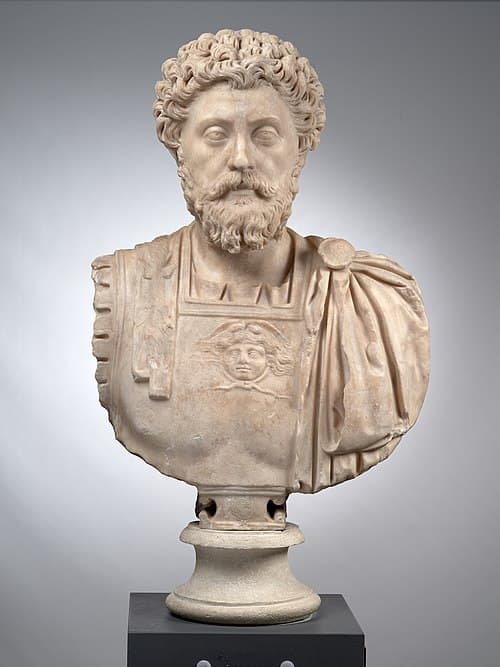
Meditations
Marcus Aurelius
Marcus Aurelius runs the same audit, but on himself and from a throne, and never meant anyone to read the verdict.
£1.99
The Death of Ivan Ilyich
Leo Tolstoy
Tolstoy dramatises the same warning from the deathbed, following a man who postponed his life exactly as Seneca describes and understands it far too late.
£1.99
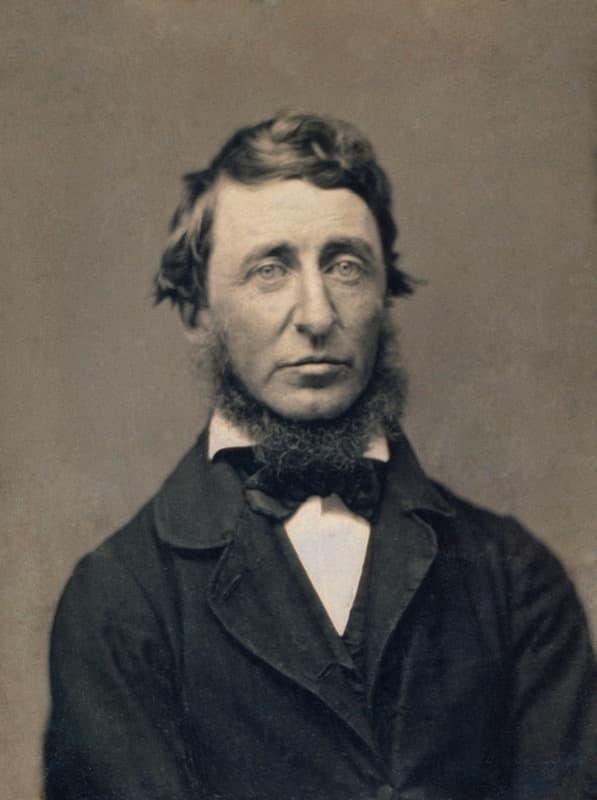
Walden
Henry David Thoreau
Thoreau does the same thing but acts on it: where Seneca tells Paulinus to withdraw, Thoreau actually goes, and sends back the field notes.
£1.99

About the book
"Am I seated?" The question is real, put by a Roman who has been lifted from his bath and set down in a chair by other men's arms and no longer knows where his own body is. Seneca collects him alongside the dandies holding councils over each several hair at the barber's, and the magistrate who spends a lifetime winning the office he then spends a year begging to be free of. Out of these specimens comes the least consoling and most useful sentence in Roman prose: we are not poor in days, but wasteful of them. What saves the essay from scolding is the door it opens at the end, onto a life spent arguing with Socrates and reposing with Epicurus, every century annexed to your own. And read it knowing that the man writing was tutor to the boy who would become Nero, telling Paulinus to stop selling his days to other people while selling his own to a court that would one day order his death.