

In the Library
Poem of the End
Marina Tsvetaeva, 1924
- Form
- Form Poem
- Difficulty
- Difficulty Moderate
- Reading time
- Reading time 20 minutes
- Translated by
- Translated by The Daily Canon (2026)
- Original
- Original ru
- Chapters
- Chapters 14
- Length
- Length 4k words
£1.99
Read in the app, yours for good. Not yet by post.
The book unlocks on your account as soon as you buy it, so the 14-day right to cancel ends once it is unlocked.
In this most Christian of worlds all poets are Jews.
What buying means
- Yours for good, on every iPhone you sign in to.
- Read in the app’s own reader, with the original beside the translation where there is one.
- Downloaded, so it reads with no signal.
- The same price as in the app. Folio already opens every book on this shelf; buying keeps this one after Folio ends. A refund takes it back.
If you like this, try
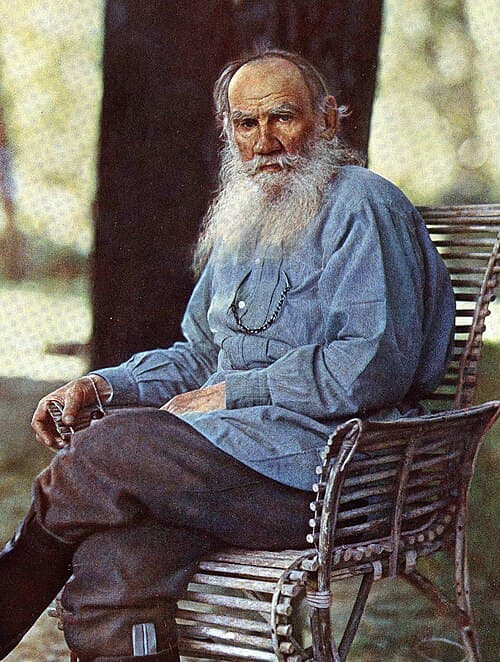
Anna Karenina
Leo Tolstoy
Tolstoy writes the same doomed love at novel length, and the train station is where both stories end.
£1.99
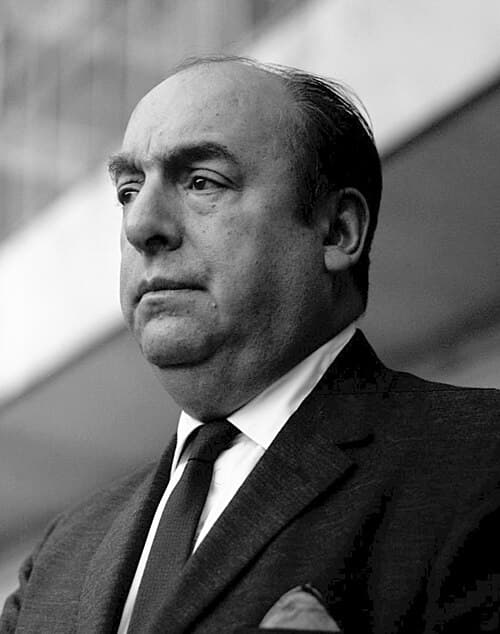
Twenty Love Poems and a Song of Despair
Pablo Neruda
Neruda sings the same farewell with the same intensity, but in shorter bursts where Tsvetaeva sustains a single long cry.
£1.99
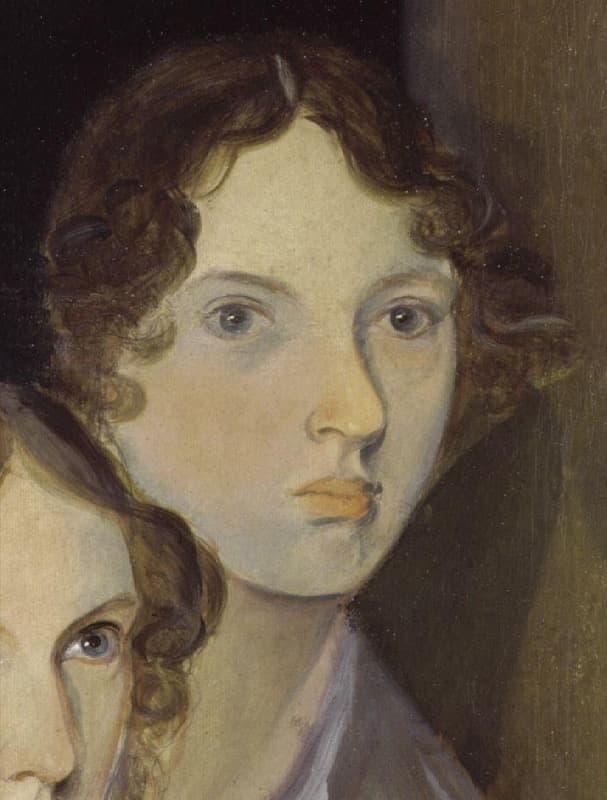
Wuthering Heights
Emily Brontë
Brontë writes the same love that can only exist by destroying itself, and the moors are as bleak as Tsvetaeva's Prague.
£1.99
About the book
They are walking to say goodbye, and they both know it. Poem of the End moves through the streets of Prague at the pace of two people prolonging the last hour of a love, past lit windows and over a bridge above the Vltava, toward the place where parting stops being a word and becomes a thing the body does. Tsvetaeva wrote it at thirty-one, exiled from a Russia that no longer existed, so the breakup carries a second loss folded inside it: the end of a person and the end of a home, mourned in one breath. Read it aloud and you hear love coming apart in the grammar itself, lines snapped to a gasp, exclamations splitting sentences down the middle, the whole poem stumbling forward like someone who cannot stop walking toward something irreversible. By the last crossing, the world that needed two people to hold it up simply lets go.