
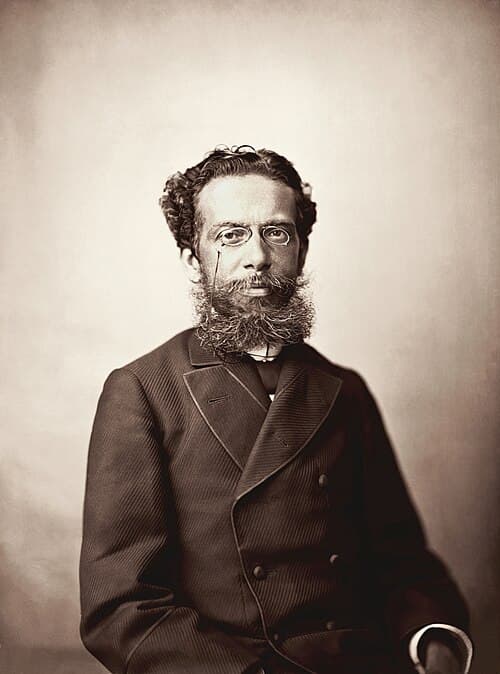
In the Library
Posthumous Memoirs of Brás Cubas
Joaquim Maria Machado de Assis, 1881
- Form
- Form Novel
- Difficulty
- Difficulty Moderate
- Reading time
- Reading time 5 hours
- Translated by
- Translated by Translated for The Daily Canon
- Original
- Original pt
- Chapters
- Chapters 162
- Length
- Length 69k words
£1.99
Read in the app, yours for good. Not yet by post.
The book unlocks on your account as soon as you buy it, so the 14-day right to cancel ends once it is unlocked.
To the worm that first gnawed the cold flesh of my corpse, I dedicate as a fond remembrance these Posthumous Memoirs.
What buying means
- Yours for good, on every iPhone you sign in to.
- Read in the app’s own reader, with the original beside the translation where there is one.
- Downloaded, so it reads with no signal.
- The same price as in the app. Folio already opens every book on this shelf; buying keeps this one after Folio ends. A refund takes it back.
If you like this, try
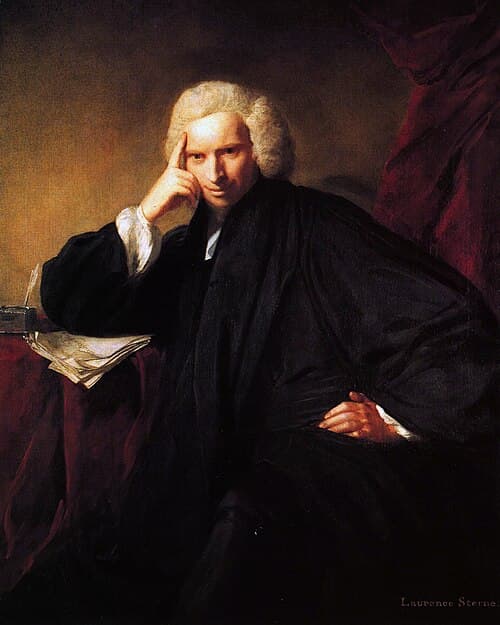
Tristram Shandy
Laurence Sterne
Sterne invented the narrator who cannot tell his story straight, and Machado's dead man inherits the method and the mischief.
£1.99
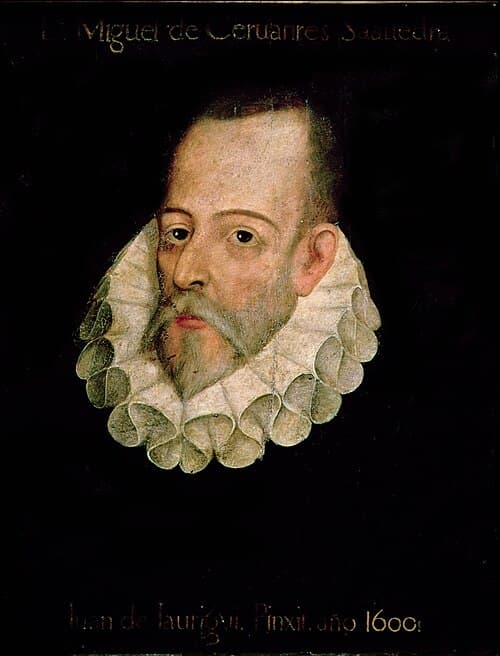
Don Quixote
Miguel de Cervantes
Cervantes built the self-aware novel Machado perfects: fiction that winks at the reader and refuses to behave.
£1.99
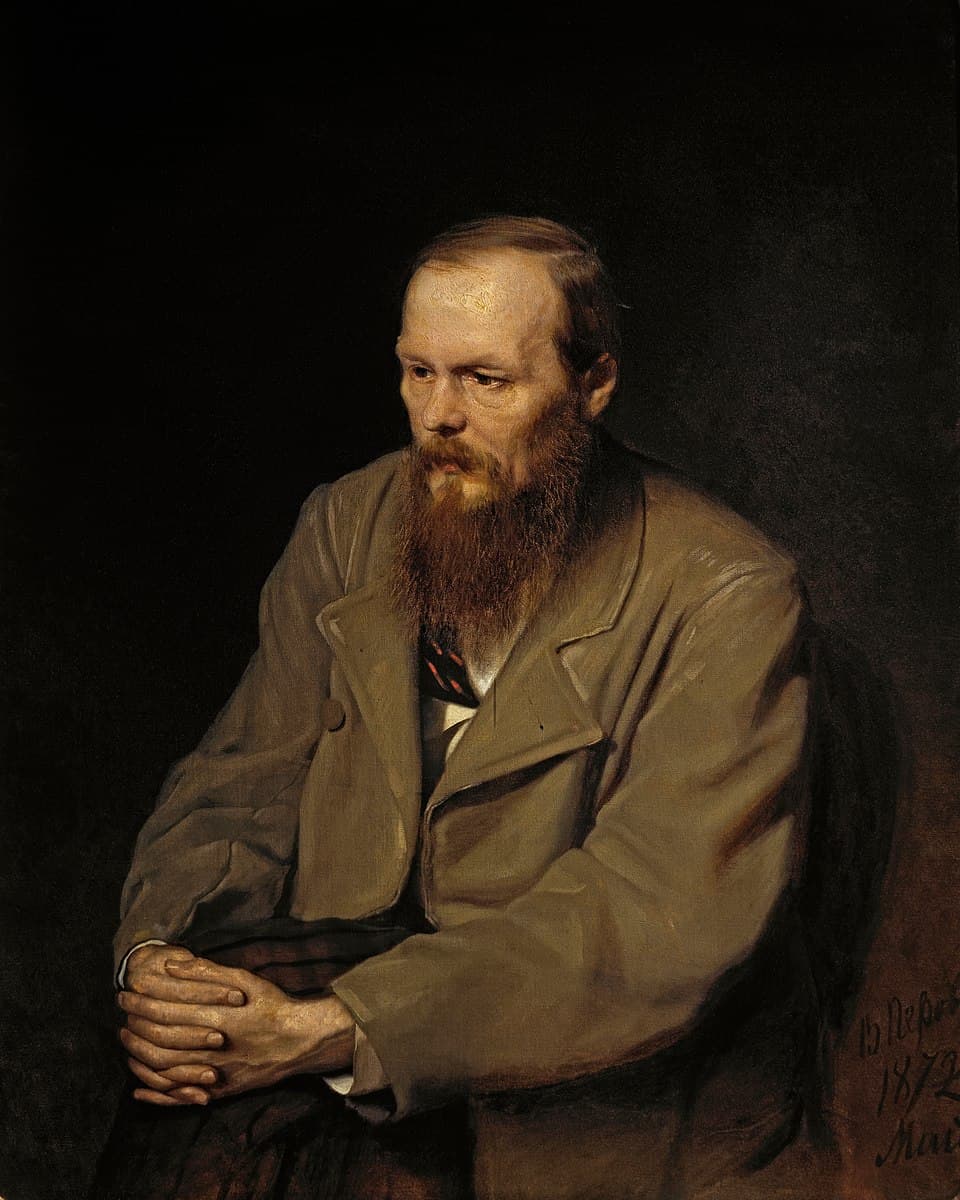
Notes from the Underground
Fyodor Dostoevsky
Dostoevsky's narrator shares the same bitter self-knowledge, but lacks the wit to laugh at himself.
£1.99
About the book
The author is dead, and that is the joke and the liberty of it. Brás Cubas dedicates his memoir to the first worm that gnawed his corpse, then tells the story of his life with the careless candour only a man past all consequence can afford. He pursues a married woman, drifts through an inheritance he did nothing to deserve, dreams up a miracle cure that will finally make his name, and confesses every petty vanity because the grave has made honesty cost him nothing. The chapters are tiny, some a single line, one made of nothing but punctuation, and the narrator keeps breaking off to needle you, the reader he can no longer be bothered to impress. Under all the wit, what aches is the sum it reaches: a charmed, squandered life, seen whole at last by the only man who can no longer fix it. Machado de Assis wrote the funniest book ever made from a wasted life, and somehow the saddest.