

In the Library
Prometheus Unbound
Percy Bysshe Shelley, 1820
- Form
- Form Play
- Difficulty
- Difficulty Moderate
- Reading time
- Reading time 1.5 hours
- Chapters
- Chapters 4
- Length
- Length 20k words
£1.99
Read in the app, yours for good. Not yet by post.
The book unlocks on your account as soon as you buy it, so the 14-day right to cancel ends once it is unlocked.
To suffer woes which Hope thinks infinite; To forgive wrongs darker than death or night;
What buying means
- Yours for good, on every iPhone you sign in to.
- Read in the app’s own reader, with the original beside the translation where there is one.
- Downloaded, so it reads with no signal.
- The same price as in the app. Folio already opens every book on this shelf; buying keeps this one after Folio ends. A refund takes it back.
If you like this, try
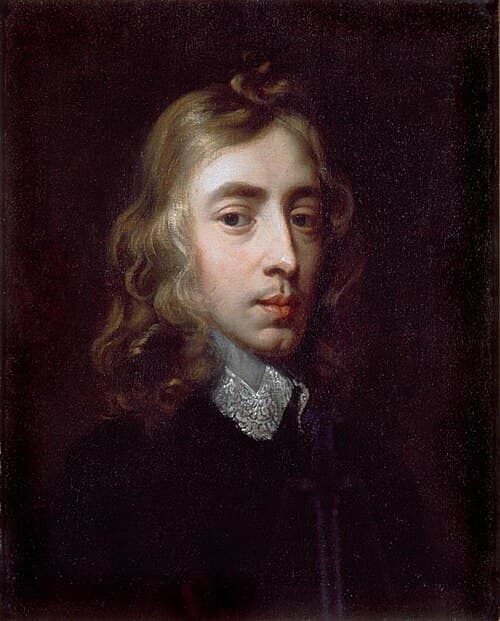
Paradise Lost
John Milton
Milton's Satan is the rebel Shelley recasts as a hero, and the revolution succeeds where the Fall could not.
£1.99
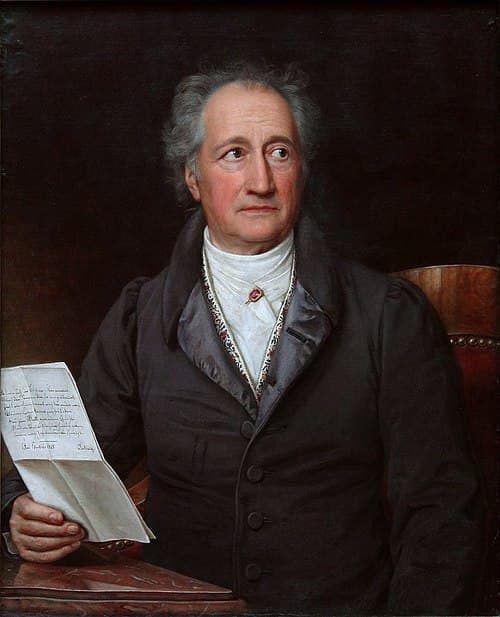
Faust (Part I)
Johann Wolfgang von Goethe
Goethe gives another overreacher the same cosmic stage, but the bargain replaces the chains.
£1.99
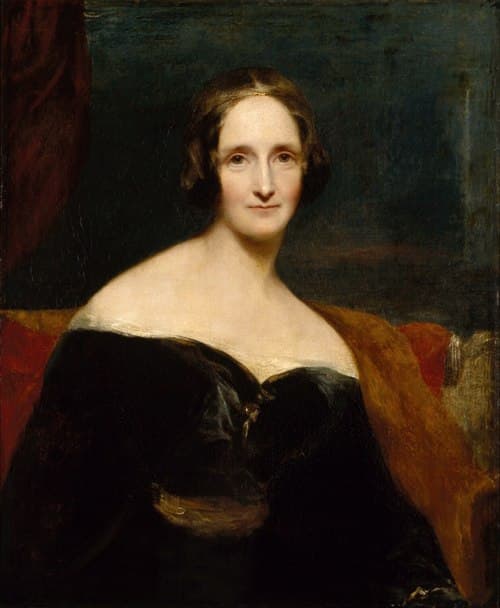
Frankenstein
Mary Shelley
Mary Shelley takes her husband's Prometheus and makes the fire literal: the creature is what the myth becomes in prose.
£1.99
About the book
Three thousand years chained to a crag in the Caucasus, his flesh torn each dawn, the Titan who stole fire for mankind has every reason to want his tyrant dead. Instead, Shelley's Prometheus Unbound opens with Prometheus recalling the curse he once hurled at Jupiter, wishing now that no living thing should suffer as he has. That single act of withdrawn hatred is the revolution: Jupiter falls not to an army but to the moment his victim refuses to mirror him, and the shapeless power beneath all things, Demogorgon, rises to sweep him into the abyss. What Aeschylus resolved by reconciliation, Shelley remakes into something stranger and braver, a universe transfigured from the inside out, beginning with one spirit's change of heart. The verse is dense, exalted, almost unsingable in its reach, yet Asia's "My soul is an enchanted boat" floats free as pure music. To forgive wrongs darker than death or night, the poem insists, is the only freedom worth the name.