

In the Library
Rubaiyat of Omar Khayyam
Edward FitzGerald, 1859
- Form
- Form Poem
- Difficulty
- Difficulty Moderate
- Reading time
- Reading time 15 minutes
- Translated by
- Translated by Edward FitzGerald (1859; text of the fifth edition, 1889)
- Chapters
- Chapters 1
- Length
- Length 3k words
£1.99
Read in the app, yours for good. Not yet by post.
The book unlocks on your account as soon as you buy it, so the 14-day right to cancel ends once it is unlocked.
A Book of Verses underneath the Bough, A Jug of Wine, a Loaf of Bread—and Thou
What buying means
- Yours for good, on every iPhone you sign in to.
- Read in the app’s own reader, with the original beside the translation where there is one.
- Downloaded, so it reads with no signal.
- The same price as in the app. Folio already opens every book on this shelf; buying keeps this one after Folio ends. A refund takes it back.
If you like this, try
The Divan of Hafez
Hafez
Hafez pours from the same Persian cellar, wine and roses and the tavern set against the preachers, though his cup is often read as a cup of the divine.
£1.99
Meditations
Marcus Aurelius
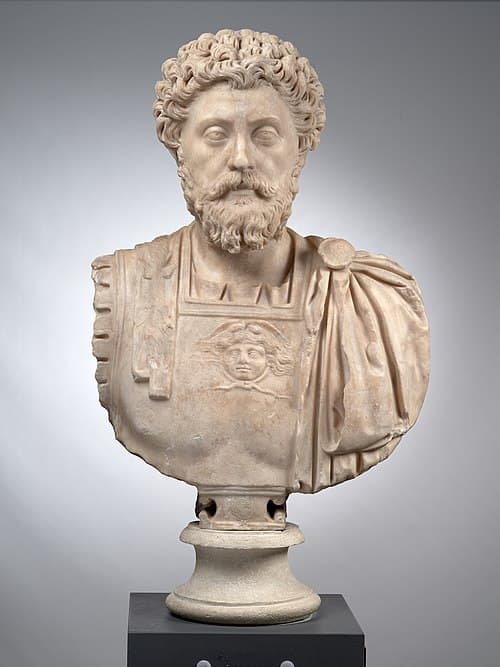
Marcus Aurelius keeps the same private ledger of days running out, but answers it with duty and discipline instead of wine, roses, and a full cup.
£1.99
To His Coy Mistress
Andrew Marvell
Marvell makes the same argument for urgency, that time is short and pleasure must be seized now, in one breathless single stanza of seduction.
£1.99

About the book
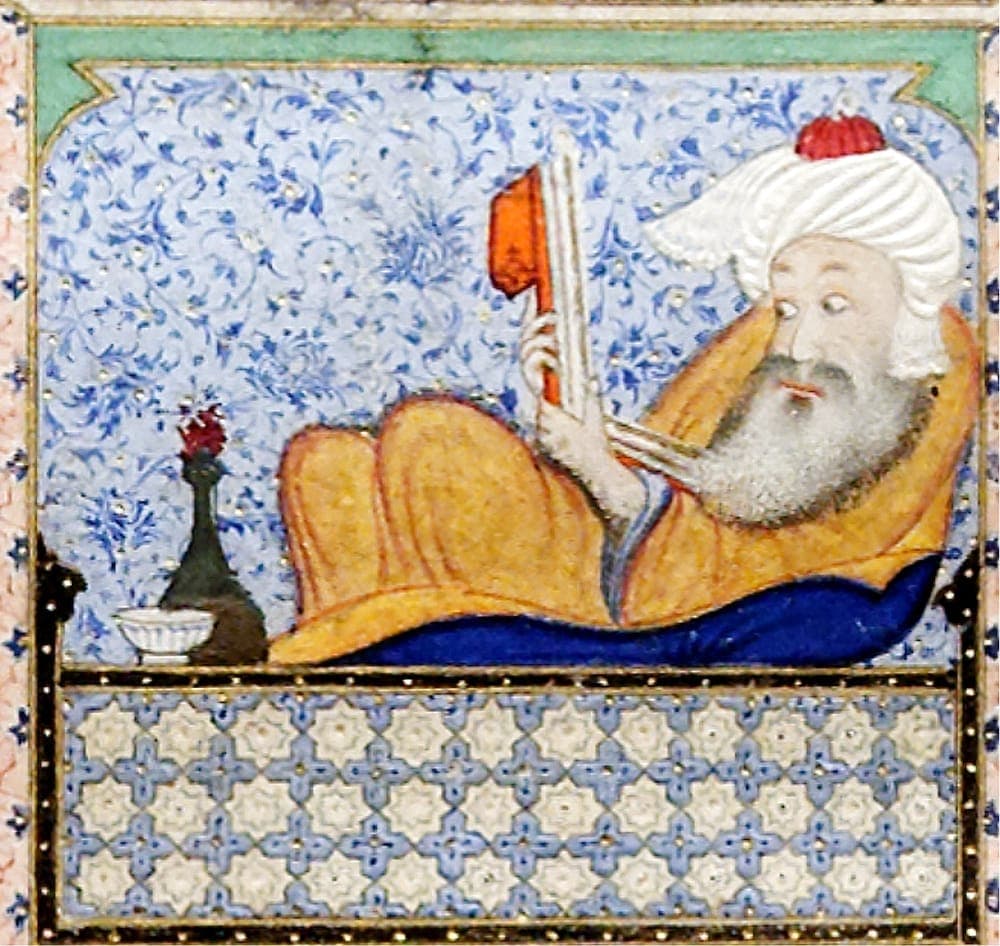
Wake, the poem's first line commands, for the sun has already struck the sultan's turret with a shaft of light. Omar Khayyam was a Persian astronomer who died in Naishapur in 1131, leaving behind a scatter of four-line stanzas on wine, roses and the shortness of life. Seven centuries later an Englishman, Edward FitzGerald, found a manuscript of them and did not so much translate as fall for it, rebuilding the affair in his own language. What survives is barely Khayyam's poem anymore; it is FitzGerald's, hammered from borrowed bones into something new, one of English verse's great acts of ventriloquism. Its images do not let go once they land: a jug of wine, a loaf of bread, and Thou beside me singing in the wilderness. A moving finger writes, and moves on, and no tears wash out a word of it. Underneath the Persian dress sits one plain question, what do you do with a life you cannot keep. FitzGerald's answer is to fill the cup while the bird of time is still on the wing, and mean it.